Security breaches represent an existential threat to organizations of all sizes, and the rapid maturation of artificial intelligence has fundamentally altered the threat landscape. As cyber adversaries increasingly harness generative AI, deep fakes, and automated audio-visual synthesis to execute sophisticated social engineering campaigns, the traditional perimeter defense model is proving insufficient. According to recent data published by Security Magazine, a staggering 93% of industry leaders anticipate that their organizations will face daily AI-driven cyberattacks by 2025. This shift from manual, human-led exploitation to high-speed, automated adversarial tactics necessitates a paradigm shift in how corporations prioritize, manage, and respond to security incidents.
The reality of modern cybersecurity is that absolute prevention is statistically improbable. Consequently, the focus of the global cybersecurity community has migrated toward resilience—the capacity to anticipate, absorb, and recover from systemic shocks. Within this framework, incident management has emerged as the critical linchpin of corporate governance, balancing the immediate need for operational continuity with the stringent requirements of international compliance frameworks.
The Evolution of the Threat Landscape
The progression of cyber warfare over the last decade has been marked by a transition from broad-spectrum malware to highly targeted, AI-augmented attacks. In 2023 and 2024, security researchers noted a significant spike in the use of Large Language Models (LLMs) to write polymorphic code, which constantly alters its appearance to evade signature-based detection. Furthermore, the rise of "Business Email Compromise 2.0," characterized by the use of real-time voice cloning to impersonate C-suite executives, has moved the threat vector from technical vulnerabilities to human cognition.
Chronologically, the industry has moved through three distinct phases:
- The Perimeter Era (2000–2010): Focus on firewalls and basic antivirus software.
- The Visibility Era (2010–2020): Focus on Security Information and Event Management (SIEM) systems to aggregate log data.
- The Response Era (2020–Present): Focus on Security Orchestration, Automation, and Response (SOAR) and autonomous, AI-driven threat mitigation.
Defining Modern Incident Management
Incident management is no longer merely a "break-fix" IT process; it is a structured, enterprise-wide strategy designed to maintain organizational stability during a crisis. It encompasses the identification, analysis, containment, and eradication of threats, followed by post-incident recovery and forensic review.
The primary objective is business continuity. In a modern enterprise, even a brief interruption of critical services can result in millions of dollars in lost revenue and catastrophic reputational damage. By implementing robust incident management workflows, organizations can ensure that when a breach occurs, the impact is isolated, the "blast radius" is limited, and core operations remain functional. This requires a synthesis of specialized software, clearly defined communication protocols, and continuous employee training.
The Compliance Imperative
Regulatory pressure has significantly accelerated the adoption of formalized incident response (IR) plans. Frameworks such as the General Data Protection Regulation (GDPR), the Health Insurance Portability and Accountability Act (HIPAA), and the Payment Card Industry Data Security Standard (PCI DSS) explicitly mandate that organizations maintain documented processes for reporting and managing data breaches.
The implications of failing to adhere to these mandates are severe. Under GDPR, for example, organizations can face fines of up to 4% of their annual global turnover. Beyond the financial impact, the regulatory scrutiny following a poorly managed incident often results in mandatory oversight periods, which can drain internal resources for years. Consequently, incident management tools are now viewed as fundamental "compliance infrastructure" rather than discretionary technical purchases.
Core Architecture of Incident Management Systems
To be effective, an incident management platform must integrate with a company’s existing stack to provide a holistic view of the environment. Essential features include:
- Automated Threat Detection: Utilizing machine learning to identify anomalous traffic patterns that deviate from established baselines.
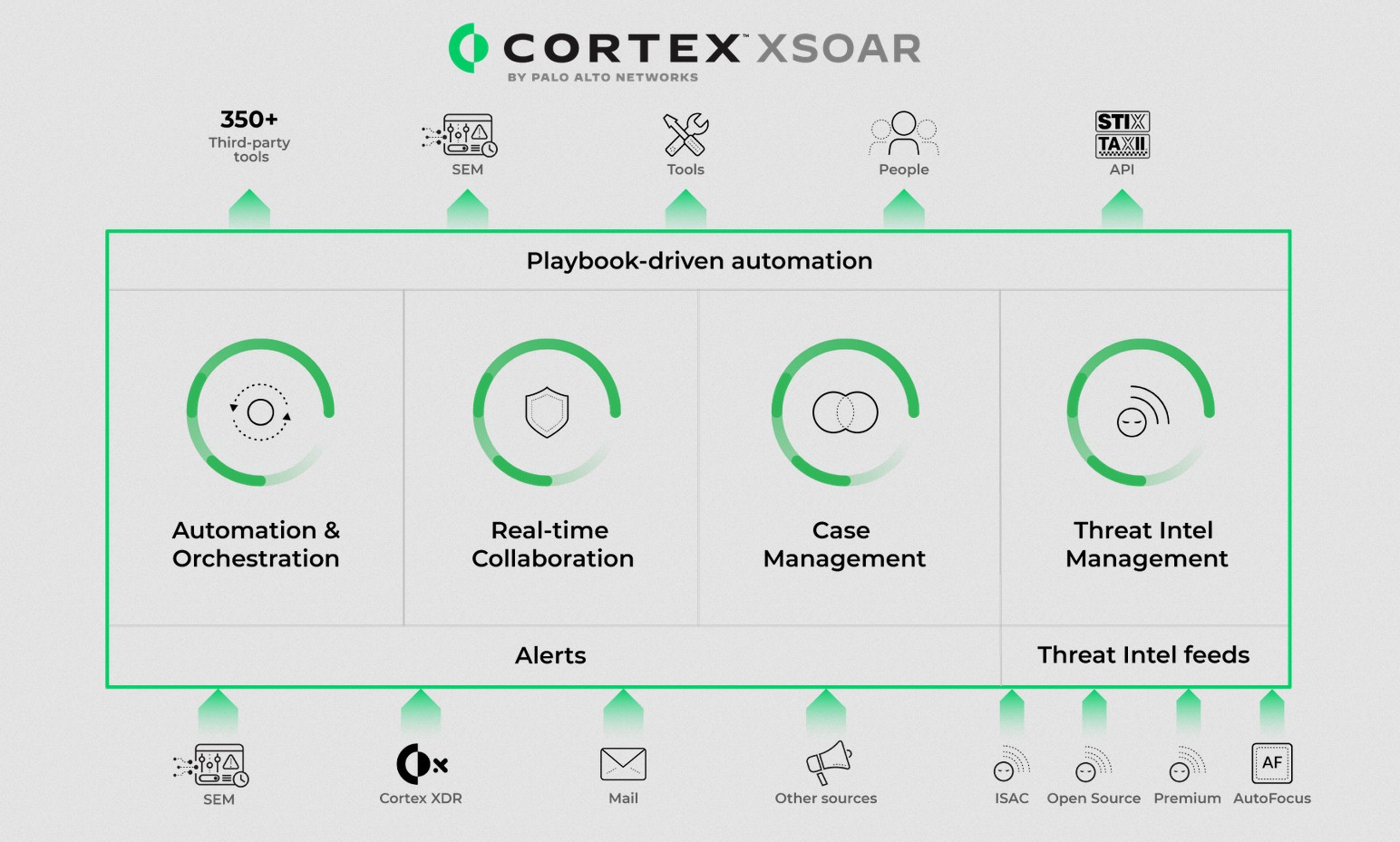
- Orchestration and Automation: The ability to execute "playbooks"—pre-defined sequences of actions—that can automatically quarantine infected endpoints or revoke compromised user credentials.
- Centralized Reporting: Real-time dashboards that provide stakeholders with a clear understanding of the incident’s status, severity, and potential regulatory implications.
- Integration Ecosystem: Compatibility with cloud services, identity providers, and network hardware to ensure no blind spots exist.
Industry-Standard Platforms for Strategic Defense
1. Splunk Enterprise Security
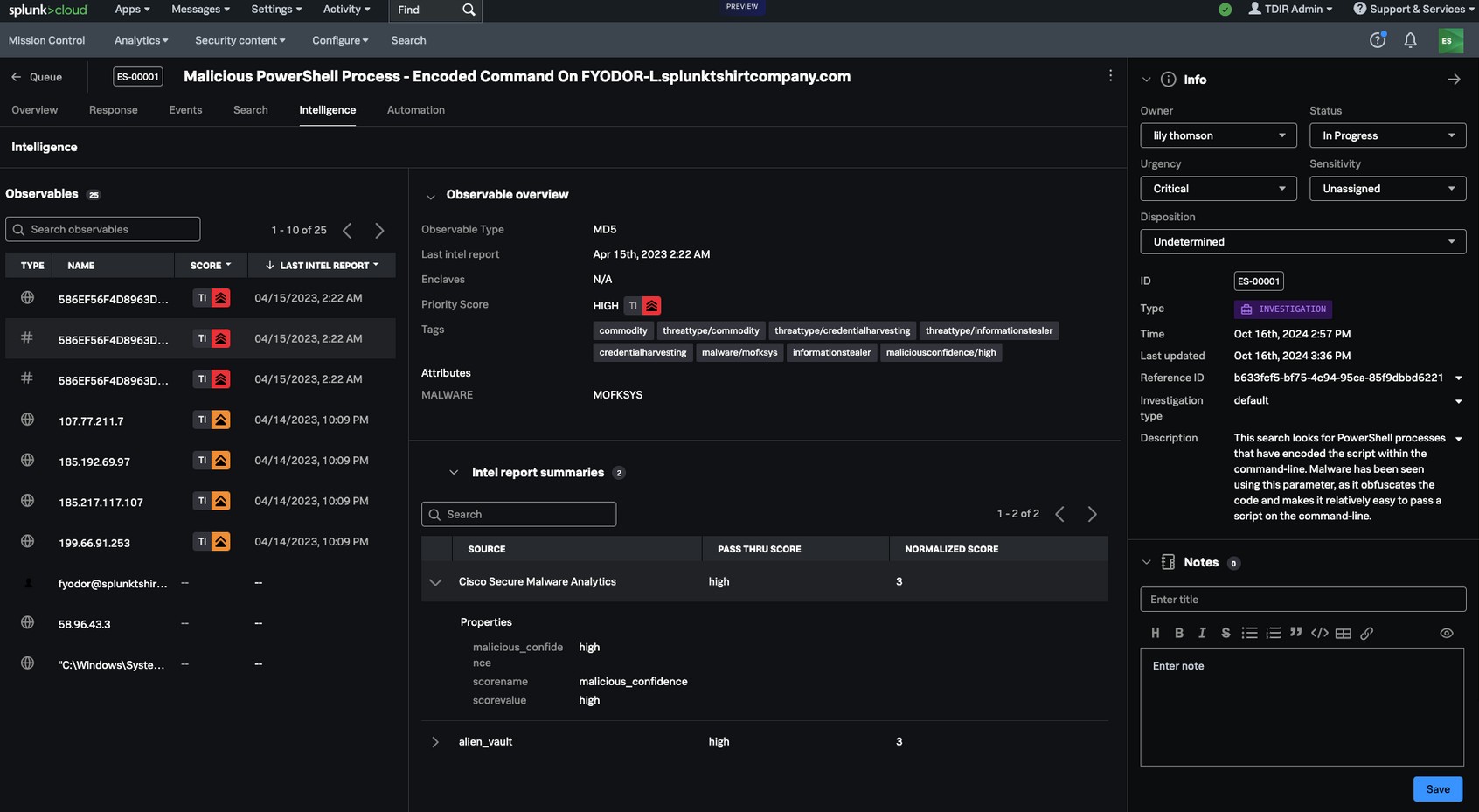
Splunk has solidified its position as a leader in security analytics. By leveraging the power of its core data platform, Splunk Enterprise Security (ES) provides deep visibility into complex, hybrid-cloud environments. Its strength lies in its "data-centric" approach, which allows security teams to correlate seemingly disparate events to uncover the "needle in the haystack."
2. IBM QRadar
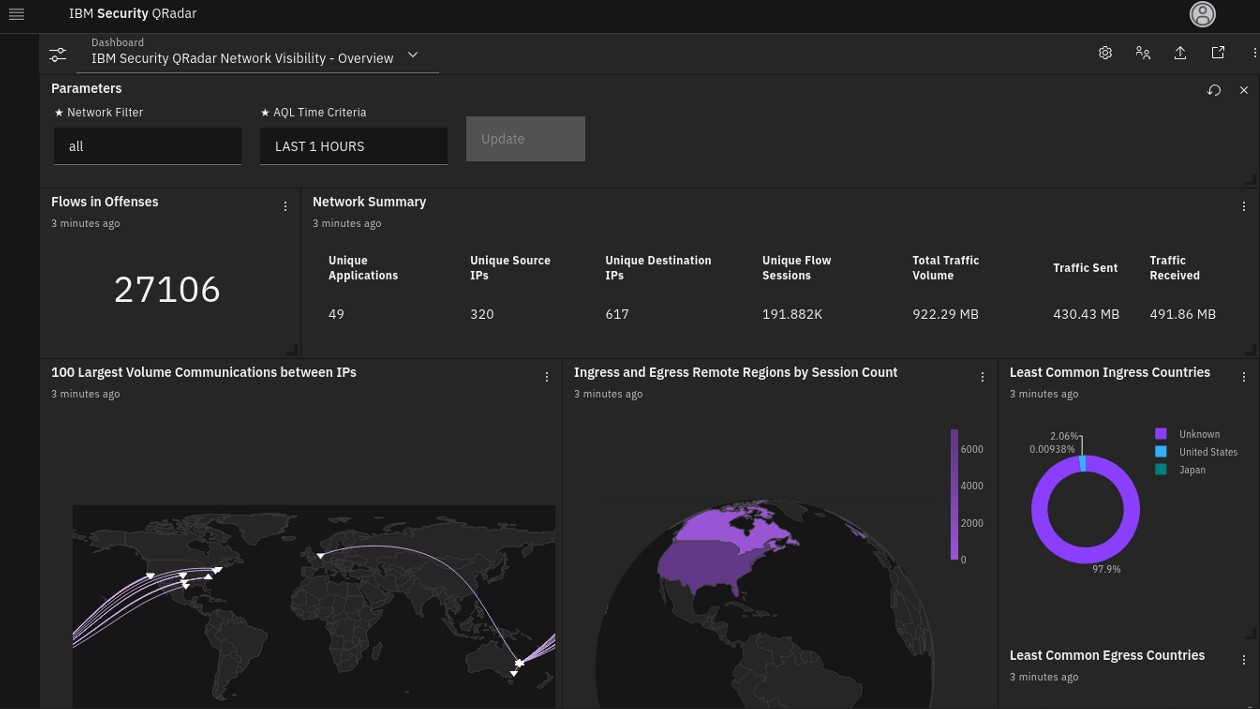
IBM QRadar remains a cornerstone for large-scale enterprise security. Its primary strength is its advanced correlation engine, which ingests vast amounts of data from thousands of sources. By prioritizing incidents based on risk, QRadar helps analysts focus on the threats that pose the greatest danger to the business, rather than getting buried in false positives.
3. ServiceNow Security Incident Response (SIR)
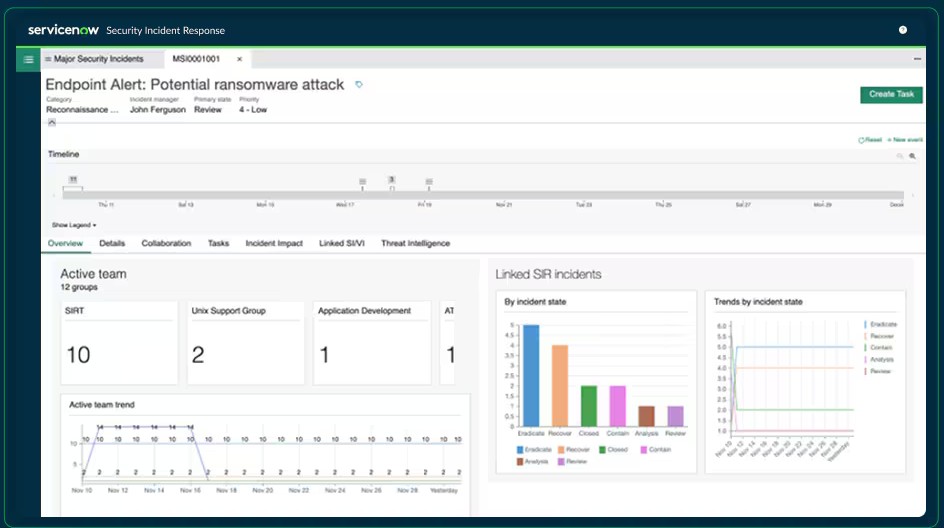
ServiceNow is unique because it bridges the gap between IT operations and security. By utilizing its established workflow-based architecture, ServiceNow SIR allows for seamless handoffs between security teams and IT departments, ensuring that when an incident occurs, the response is coordinated across the entire organizational structure.
4. Palo Alto Networks Cortex XSOAR
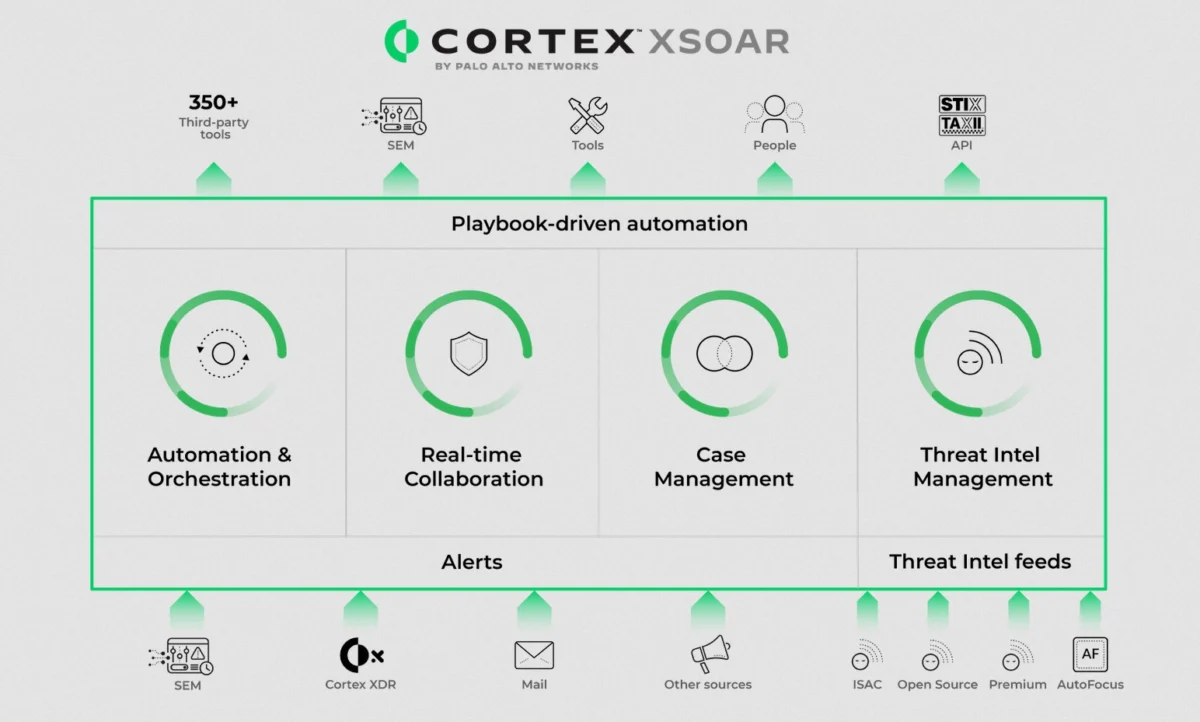
Cortex XSOAR is arguably the most prominent player in the SOAR space. Its focus on automation allows for the creation of sophisticated playbooks that can run hundreds of tasks simultaneously. It is particularly effective for organizations that are struggling with "alert fatigue," as it automates the rote tasks that consume the vast majority of a security analyst’s time.
5. Rapid7 InsightIDR
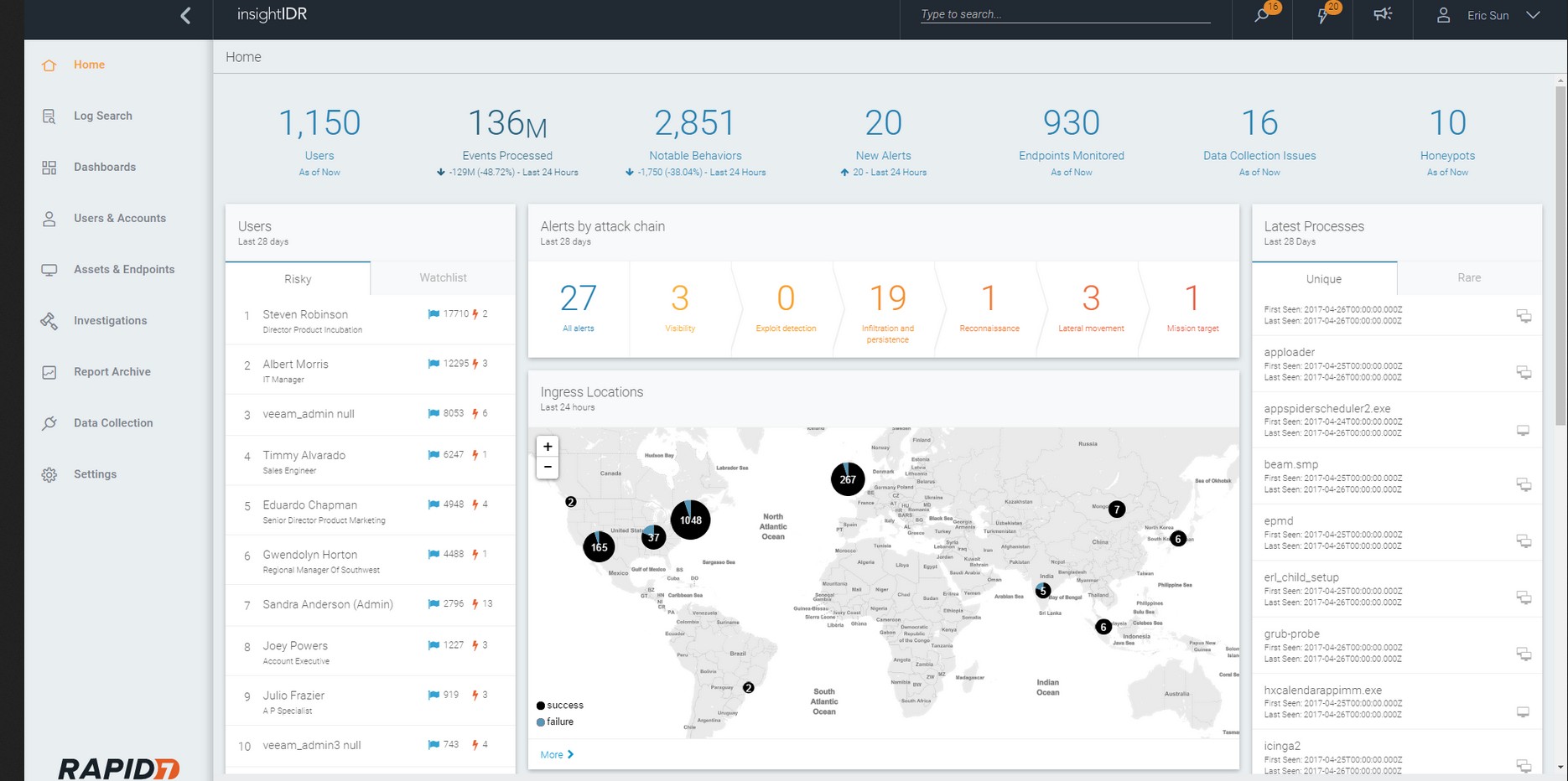
InsightIDR is widely praised for its User and Entity Behavior Analytics (UEBA). By focusing on user activity rather than just network traffic, it excels at detecting credential theft and insider threats. Its cloud-native delivery model makes it an attractive option for companies that want rapid deployment without the burden of managing extensive on-premise hardware.
6. Microsoft Sentinel
Microsoft Sentinel has revolutionized the market by offering a cloud-native, scalable SIEM/SOAR solution that integrates natively with the Azure ecosystem. For organizations already invested in the Microsoft stack, Sentinel offers unparalleled ease of integration and AI-driven insights that leverage the massive threat intelligence data collected by Microsoft globally.
7. ManageEngine Log360
For mid-market organizations, ManageEngine Log360 provides a comprehensive, unified platform that balances power with ease of use. It covers the full spectrum of log management, data loss prevention, and incident response, making it a cost-effective solution for organizations that require robust compliance support without the extreme complexity of enterprise-tier SIEM systems.
Future Implications and Strategic Outlook
The trend toward AI-driven cyber threats suggests that the next generation of incident management will be defined by "autonomous response." We are moving toward a future where AI agents defend the network against AI adversaries at machine speed, with humans only intervening to set policy and manage high-level strategy.
Organizations that fail to modernize their incident management infrastructure risk more than just data loss; they risk their long-term viability in a digital economy that punishes negligence. As we approach 2025, the investment in these tools should be viewed as an investment in organizational resilience. By fostering a culture of preparedness—supported by technology that can detect, analyze, and mitigate threats in real-time—enterprises can successfully navigate the complexities of an increasingly hostile digital environment. The question for leadership is no longer whether a breach will occur, but how quickly and effectively the organization can respond when it does.