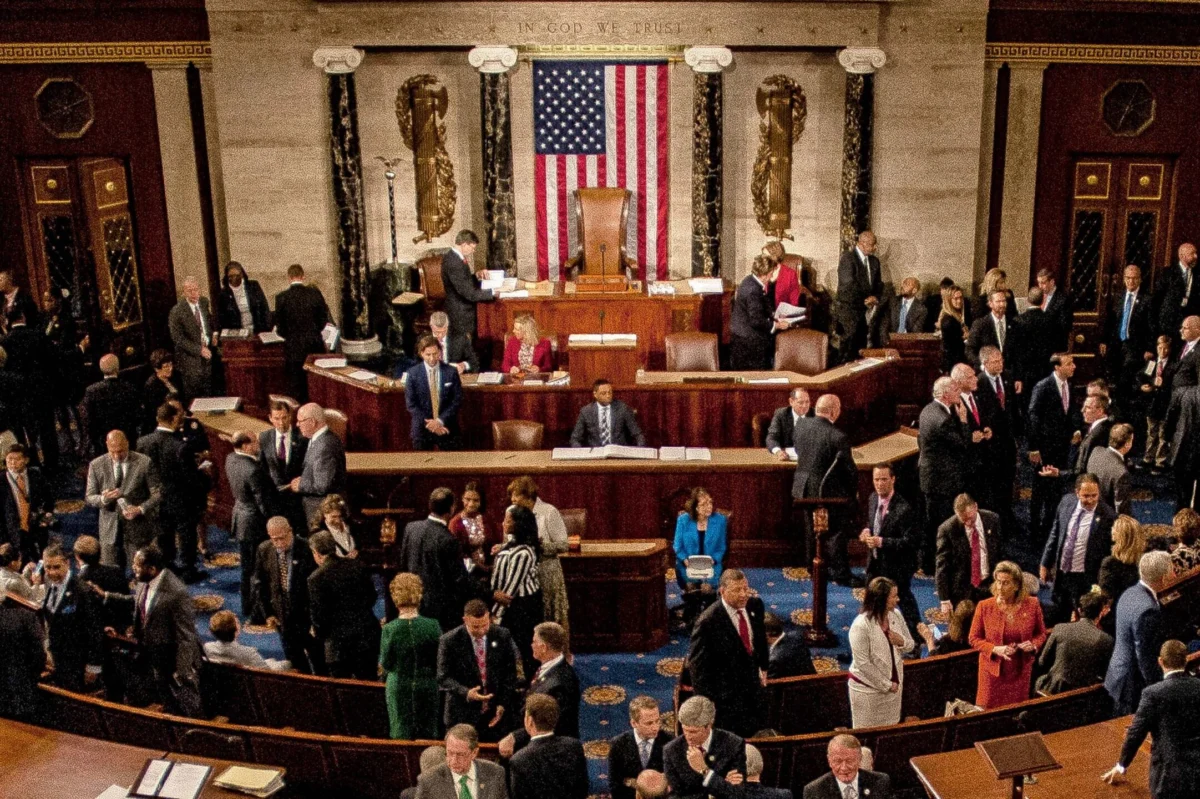
The United States House of Representatives has overwhelmingly passed the Main Street Capital Access Act with a decisive 270-155 vote, signaling a significant legislative push to bolster community banks across the nation. This bipartisan bill, now advancing to the Senate, is designed to foster a more supportive regulatory environment for these vital financial institutions, with a particular focus on encouraging the formation of new banks and ensuring that existing ones can operate more efficiently and effectively. The legislation introduces a suite of targeted regulatory reforms intended to reduce burdens, streamline processes, and promote a more tailored approach to supervision, ultimately aiming to enhance the capacity of community banks to fuel local economic growth.
Understanding the Core Provisions of the Main Street Capital Access Act
At its heart, the Main Street Capital Access Act addresses several key challenges perceived to be hindering the growth and vitality of community banks. The bill’s provisions are strategically crafted to provide a more accommodating framework for both emerging and established smaller financial institutions.
Phased Capital Requirements for De Novo Banks: A cornerstone of the legislation is the establishment of a three-year phase-in period for de novo (newly formed) financial institutions to meet federal capital requirements. This provision is critical because it acknowledges the significant capital hurdles new banks face in their initial years of operation. By allowing a gradual approach to meeting these requirements, the bill aims to lower the barrier to entry for aspiring entrepreneurs and investors looking to establish new community banks. This can be particularly impactful in underserved markets where a lack of local banking options can stifle economic development. Historically, the high upfront capital demands have been cited as a major deterrent to de novo bank formation, contributing to a decline in the number of new banks chartered in recent decades. For instance, data from the Federal Deposit Insurance Corporation (FDIC) has shown a trend of decreasing numbers of de novo banks being chartered, a pattern this legislation seeks to reverse.
Streamlined Merger and Acquisition Application Process: Another significant element of the bill is the imposition of a 90-day deadline for federal agencies to render decisions on bank merger and acquisition (M&A) applications. This measure is designed to inject much-needed efficiency into a process that has often been criticized for its protracted timelines, creating uncertainty and delaying strategic initiatives for banks. For community banks, M&A can be a critical tool for achieving scale, expanding services, or exiting the market under favorable terms. Delays in approval can disrupt business plans, impact employee morale, and potentially lead to lost opportunities. The 90-day deadline aims to provide greater predictability and accelerate the consolidation or expansion efforts that are often essential for the long-term viability of smaller institutions.
Risk-Based and Business Model-Informed Regulation: The legislation also mandates that federal agencies must consider an institution’s specific risk profile and business model when issuing new regulations and making supervisory decisions. This is a fundamental shift towards a more nuanced and less one-size-fits-all approach to bank regulation. Proponents argue that many existing regulations, while perhaps appropriate for large, complex financial institutions, can impose disproportionate compliance burdens on smaller community banks. By requiring agencies to tailor their oversight to the unique characteristics of each institution, the bill seeks to ensure that regulatory requirements are commensurate with the actual risks posed by a bank’s operations and its strategic direction. This could lead to more effective and efficient supervision, allowing community banks to focus more resources on serving their customers rather than navigating overly burdensome compliance frameworks.
Background and Chronology of the Legislation
The passage of the Main Street Capital Access Act is the culmination of years of advocacy and discussion within the financial services industry and among policymakers regarding the challenges facing community banks. The trend of declining community bank numbers has been a persistent concern, particularly following the 2008 financial crisis, which led to increased regulatory scrutiny and compliance costs across the board.
Discussions around regulatory relief and support for smaller financial institutions gained momentum in the latter half of the 2010s, with various legislative proposals introduced in both the House and the Senate. The COVID-19 pandemic further highlighted the critical role of community banks in supporting small businesses and local economies through programs like the Paycheck Protection Program (PPP), underscoring their importance and the need for a robust community banking sector.
The current iteration of the Main Street Capital Access Act, H.R. 6955 in the 119th Congress, benefited from bipartisan support, a testament to the perceived need for action. The bill was championed by key figures in the House, including House Financial Services Committee Chairman French Hill and Subcommittee Chairman Andy Barr, alongside Subcommittee Ranking Member Bill Foster, who have consistently voiced their commitment to supporting community banks. Their collaborative efforts were instrumental in navigating the legislative process and garnering the necessary votes for passage.
The bill’s journey through the House involved committee markups, debates, and amendments before reaching the floor for a final vote. The substantial margin of victory, 270-155, indicates a broad consensus among representatives that the legislation addresses a genuine need within the financial sector.
Supporting Data and Industry Perspectives
The rationale behind the Main Street Capital Access Act is often supported by data illustrating the economic contributions of community banks and the challenges they face. Community banks, defined by their local presence and customer-centric approach, play an indispensable role in the U.S. economy. They are significant lenders to small businesses, often providing the capital that larger institutions are less inclined to offer. According to industry reports, community banks hold a substantial portion of small business loans and are key drivers of local job creation and economic development.
However, these institutions often operate with smaller profit margins and fewer resources than their larger counterparts, making them particularly vulnerable to the costs of regulatory compliance and the complexities of capital requirements. The trend of consolidation in the banking industry, driven in part by regulatory pressures and the pursuit of economies of scale, has led to a decrease in the number of independent community banks. This consolidation, while potentially leading to larger, more stable institutions, can also result in the loss of localized decision-making and personalized service that are hallmarks of community banking.
The American Bankers Association (ABA), a leading trade organization representing the nation’s banks, has been a vocal proponent of legislation like the Main Street Capital Access Act. Rob Nichols, President and CEO of the ABA, expressed strong support for the bill, highlighting its potential to empower banks to better serve their customers and communities.
"We commend [House Financial Services Committee] Chairman French Hill, Subcommittee Chairman Andy Barr and Subcommittee Ranking Member Bill Foster for their hard work on this bipartisan legislation," Nichols stated. He emphasized that the bill’s provisions to "tailor regulation to a bank’s size and complexity, focus supervision on material risks and encourage new bank formation" are crucial for the continued success of community banking. Nichols’ statement also included a call to action for the Senate: "We urge the Senate to act on this bill so banks can better support their customers, clients and communities."
The ABA’s endorsement underscores the industry’s belief that the Main Street Capital Access Act represents a pragmatic and necessary step towards fostering a healthier and more competitive banking landscape, particularly for smaller institutions. Other industry groups, such as state banking associations and specific community bank advocacy organizations, have also voiced their support, often sharing anecdotal evidence of how current regulatory burdens impact their members’ ability to lend and innovate.
Broader Impact and Implications
The passage of the Main Street Capital Access Act carries significant implications for the future of community banking and the broader U.S. economy.
Stimulating Economic Growth: By easing regulatory burdens and encouraging new bank formation, the bill aims to increase the availability of credit for small businesses and individuals. Community banks are often the primary source of financing for local entrepreneurs, and their enhanced capacity can translate into more investment, job creation, and economic revitalization at the grassroots level. The three-year phase-in for de novo banks, in particular, could lead to a renewed wave of bank charters, bringing much-needed financial services to areas that may currently be underserved.
Enhancing Competition: A stronger community banking sector can foster greater competition within the financial services industry. This increased competition can lead to better terms and services for consumers and businesses, as well as drive innovation across the sector. The presence of multiple, diverse financial institutions ensures that a wider range of customer needs can be met.
Regulatory Modernization: The requirement for agencies to consider an institution’s risk profile and business model represents a significant step towards modernizing bank supervision. This approach acknowledges that a "one-size-fits-all" regulatory framework can be inefficient and stifle innovation for smaller entities. A more tailored approach can lead to more effective use of supervisory resources and a regulatory environment that is more responsive to market dynamics and technological advancements.
Path Forward in the Senate: The bill’s successful passage in the House sets the stage for its consideration in the Senate. The bipartisan nature of the House vote suggests that there may be support for similar measures in the upper chamber. However, the legislative process in the Senate can involve different dynamics, and the bill may face further debate, potential amendments, or require significant advocacy to gain traction. The ABA’s call for swift Senate action highlights the urgency felt by the industry to see these reforms enacted.
In conclusion, the Main Street Capital Access Act represents a significant legislative effort to rebalance the regulatory landscape in favor of community banks. Its success in the House signals a growing recognition of the vital role these institutions play in the U.S. economy and a commitment to creating an environment where they can thrive. The bill’s journey to the Senate will be closely watched by the financial industry and by those who believe that a robust community banking sector is essential for sustained, inclusive economic growth.