The legislative landscape of American energy is undergoing a seismic shift as several high-profile states move to dismantle long-standing legal barriers to nuclear power. In a move that would have been politically unthinkable a decade ago, California lawmakers introduced a landmark bill last month aimed at repealing the state’s 50-year-old ban on new nuclear construction. This initiative is not an isolated event but rather the vanguard of a broader national trend. In New Jersey, the recently elected Democratic Governor Mikie Sherrill, who made the construction of new reactors a cornerstone of her campaign, has seen her administration advance legislation this month that would effectively overturn the state’s long-standing moratorium. Similarly, in Minnesota, a bipartisan coalition of legislators recently declared their intent to legalize reactor construction, framed not as a choice but as a necessity to meet looming carbon-free deadlines.
This surge in legislative activity represents the most significant evidence to date that "blue states"—historically the strongest bastions of anti-nuclear sentiment—are re-evaluating atomic energy. This pivot is being driven by a confluence of domestic economic pressures, shifting environmental strategies, and a volatile global geopolitical environment. As the Trump administration pursues a broad deregulatory campaign designed to unblock the nuclear supply chain and catalyze new projects, state leaders are increasingly viewing nuclear power as the essential "firm" energy source required to backstop intermittent renewables like wind and solar.
The Drivers of Nuclear Resurgence: Data Centers and Electrification
The renewed interest in nuclear energy is fundamentally rooted in a dramatic revision of electricity demand forecasts. For the first two decades of the 21st century, U.S. electricity demand remained relatively flat due to gains in energy efficiency. However, the rapid expansion of energy-intensive industries has fundamentally altered this trajectory. The explosion of artificial intelligence and cloud computing has led to a massive build-out of data centers, which require vast amounts of reliable, 24/7 electricity. Simultaneously, long-term forecasts for the electrification of the transportation sector, residential heating, and heavy industry have forced grid operators to scramble for new capacity.
In Minnesota, where a 2040 carbon-free deadline looms, the bipartisan push to overturn the nuclear moratorium is framed by the reality that wind and solar alone may struggle to provide the baseload power necessary for a modern industrial economy. Proponents argue that without nuclear power, the state risks either failing its climate goals or facing severe grid instability. This sentiment is echoed across the country, where the trade-offs of relying exclusively on weather-dependent energy sources have become increasingly apparent during extreme weather events.
A Historical Timeline of the Anti-Nuclear Era
To understand the magnitude of the current shift, one must look back at the origins of the bans now being repealed. The wave of state-level nuclear moratoria began in the mid-1970s, predating even the 1979 partial meltdown at the Three Mile Island plant in Pennsylvania. At the time, public trust in the Atomic Energy Commission was eroding, with critics accusing the federal regulator of being overly cozy with the industry it was tasked with overseeing.
California led the charge in 1976, enacting one of the nation’s first major bans. This legislation centralized energy regulation in Sacramento and empowered the California Energy Commission to restrict permits for new plants until a permanent federal solution for nuclear waste was established. The cultural zeitgeist of the era further fueled skepticism; the 1979 Hollywood thriller "The China Syndrome," starring Jane Fonda, was released just twelve days before the Three Mile Island accident, indelibly linking nuclear power with the threat of catastrophic cover-ups in the public consciousness.
Following California’s lead, states like Maine and Oregon adopted similar moratoria. Others, including Hawaii, Massachusetts, Rhode Island, and Vermont, implemented de facto bans by requiring legislative approval for new projects—a bar that was, for decades, politically impossible to clear. In New York, the movement took a more localized but equally impactful form, with protests successfully blocking the Shoreham Nuclear Power Plant on Long Island, a move that eventually led to a state takeover of the regional utility.
The Geopolitical Race and Global Supply Chains
While the U.S. domestic industry stalled, the global landscape changed. Today, American, European, and Japanese firms are in a frantic race to secure funding and "offtake agreements" for new reactor designs. This urgency is exacerbated by the geopolitical risks of fossil fuel dependency. The 2022 Russian invasion of Ukraine served as a stark reminder that relying on natural gas from adversarial nations is a strategic vulnerability. As Russia throttled gas shipments to Europe, the argument for energy sovereignty through nuclear power gained new life.
However, the U.S. and its allies are currently trailing in this global race. Russia’s state-owned Rosatom remains the world’s dominant nuclear exporter, actively constructing the first atomic plants in countries like Turkey, Egypt, and Bangladesh. Most recently, the Kremlin announced a deal to build Vietnam’s debut nuclear facility. Meanwhile, China is engaged in a domestic build-out that dwarfs the rest of the world combined, constructing reactors at a pace and scale that the U.S. has not seen since the 1970s.
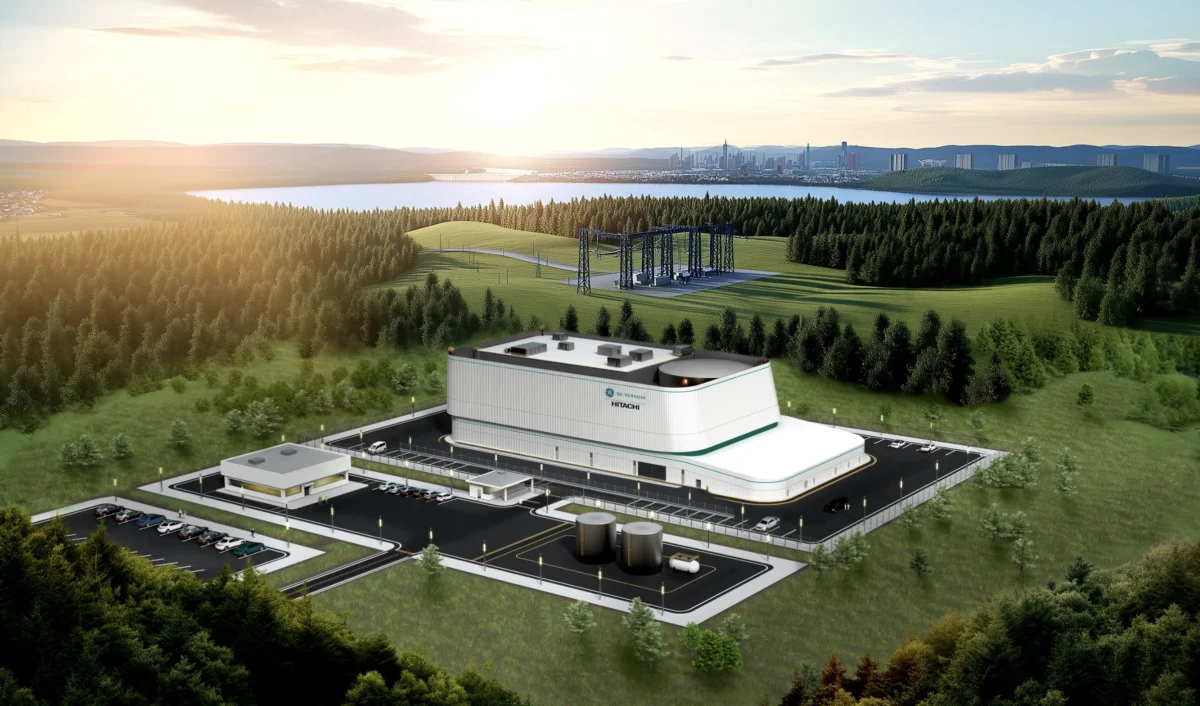
The current U.S. administration and bipartisan leaders in Congress are attempting to counter this by streamlining the regulatory process and incentivizing the development of Small Modular Reactors (SMRs). Unlike the massive, bespoke gigawatt-scale plants of the past, SMRs are designed to be factory-built and mass-produced, potentially lowering costs and reducing construction timelines. However, as critics note, the promise of cheaply mass-produced reactors remains largely theoretical, with several high-profile SMR projects facing delays and cost overruns.
State-Level Progress and the Fall of the Moratorium
The current wave of repeals follows a path blazed by several "early adopter" states. Wisconsin became the first to reverse its ban in 2016, with lawmakers arguing that nuclear power was essential for providing clean, reliable energy to the state’s manufacturing sector. Kentucky followed in 2017, seeking an alternative to coal that could utilize existing infrastructure like transmission lines and cooling ponds. Montana and West Virginia joined the list in 2021 and 2022, respectively.
Illinois, which already generates more nuclear power than any other state, initially took a cautious approach by only legalizing SMRs in late 2023. However, Governor JB Pritzker fully repealed the moratorium in early 2025, opening the door for large-scale reactors like the Westinghouse AP1000. The shift in Illinois is particularly telling, as it reflects a transition from seeing nuclear power as a legacy industry to viewing it as a cornerstone of future economic growth.
Public Opinion and the Path Forward
Public sentiment has largely mirrored these legislative changes. While support for nuclear energy dipped significantly after the 2011 Fukushima-Daiichi accident in Japan, it has rebounded to near-record highs. Recent polling from the Pew Research Center and Gallup indicates that a majority of Americans across both major political parties now favor expanding nuclear energy. This rare bipartisan consensus is driven by a shared concern over energy security, rising utility costs, and the need for carbon-free baseload power.
Despite the legislative momentum, significant hurdles remain. The American nuclear industry faces a "chicken and egg" problem: developers need offtake agreements to secure financing, but customers are hesitant to sign agreements for unproven reactor designs. Furthermore, the industry must rebuild a specialized workforce and supply chain that has largely atrophied over the last forty years.
The legislative push in California, New Jersey, and Minnesota suggests that the political will to overcome these hurdles is finally materializing. As oil and gas prices remain volatile—a situation the International Energy Agency warns will persist due to ongoing conflicts in the Middle East—the economic argument for nuclear power is becoming as compelling as the environmental one.
Analysis of Implications
The repeal of these bans marks the end of the "Post-Three Mile Island" era of American energy policy. By removing these legal obstacles, states are signaling to private investors and federal agencies that they are open for business. This could lead to a decentralized "nuclear Renaissance," where different states experiment with various technologies—from traditional large-scale reactors in the industrial Midwest to SMRs at retired coal sites in Appalachia.
However, the success of this movement will ultimately depend on the industry’s ability to deliver projects on time and on budget. The recent completion of the Vogtle units in Georgia, while a technical achievement, was plagued by years of delays and billions in cost overruns. For the "Great Atomic Reversal" to translate into a meaningful change in the U.S. energy mix, the next generation of reactors must prove that nuclear power can be not only clean and reliable but also economically competitive in a global market increasingly dominated by state-backed enterprises from the East.
As the U.S. enters this new chapter, the transition from legislative repeal to actual construction will be the true test of whether the country can reclaim its position as a global leader in atomic energy. For now, the momentum lies with the reformers, as the "bastions of anti-nuclearism" fall one by one in the face of 21st-century energy realities.