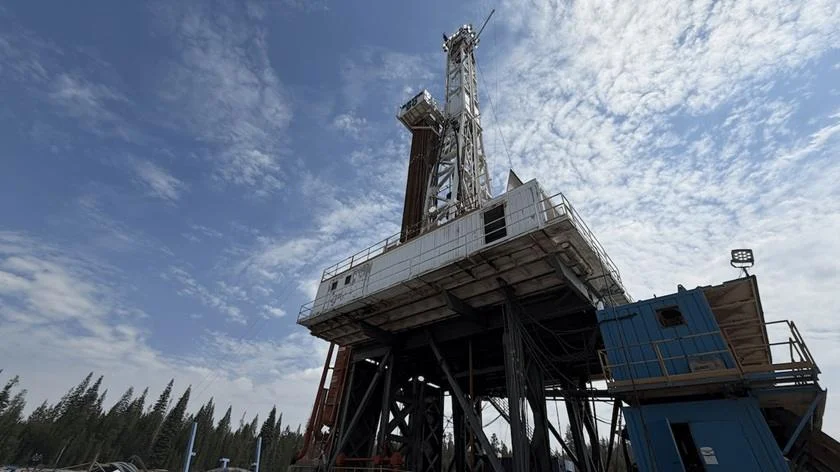
Mazama Energy, a Texas-based developer specializing in advanced geothermal systems, has officially closed a $135 million Series B funding round. This significant capital injection underscores a growing investor appetite for "superhot" rock geothermal technology—an emerging sector poised to provide round-the-clock, carbon-free baseload power. As global utilities and grid operators grapple with the dual challenges of rising electricity demand and the slow pace of traditional transmission infrastructure development, technologies capable of delivering consistent, clean energy independent of weather conditions have become a focal point of the energy transition.
The funding round was led by Centaurus Capital and Doerr Capital, with substantial participation from energy majors ConocoPhillips and Shell Ventures. The round also saw backing from H. Barton Asset Management and the Jeffrey and Marieke Rothschild Foundation, alongside continued support from early-stage investors Khosla Ventures and Gates Frontier. This diverse capitalization reflects a strategic alignment between traditional oil and gas expertise and the venture capital community’s push for decarbonization.
The Technological Edge of Superhot Geothermal
Unlike conventional geothermal energy, which relies on naturally occurring hydrothermal reservoirs—often limited by geography—Mazama Energy focuses on Engineered Geothermal Systems (EGS). These systems involve drilling deep into the Earth’s crust to access high-temperature basement rock. By circulating fluid through these man-made fractures, the company can harvest immense thermal energy regardless of surface conditions.
The core of Mazama’s value proposition lies in the physics of high-temperature extraction. In 2025, the company made headlines by successfully establishing an engineered geothermal system at 629°F (331°C) at its site in Newberry, Oregon. This achievement set a new industry record for temperature, but the company’s ambitions extend much further. Its current "Project Athena" initiative is drilling a mile deeper into the subsurface, targeting temperatures of 750°F (400°C).
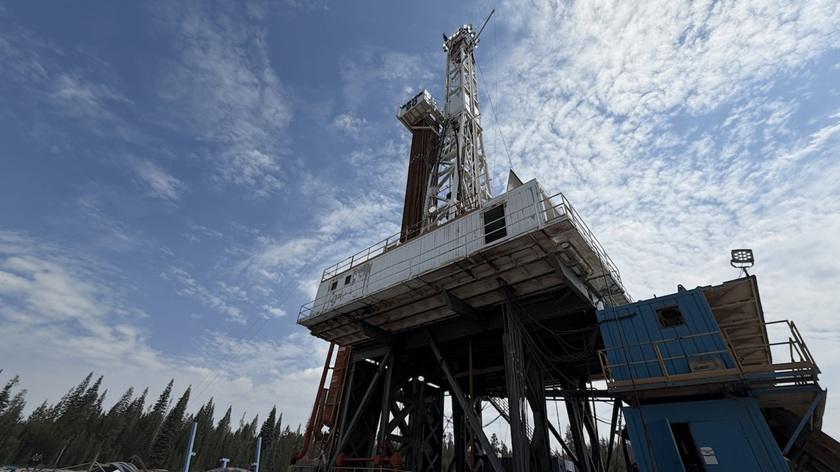
The technical rationale for targeting these higher temperatures is grounded in thermodynamic efficiency. Mazama reports that reaching 750°F can generate up to ten times the power of a conventional 390°F (200°C) geothermal well. This is due to the increased energy density of supercritical water and the enhanced productivity of the reservoir at extreme depths. Furthermore, the company claims that its methodology requires 75% less water and 80% fewer wells than legacy geothermal developments, significantly reducing the surface footprint and capital expenditure requirements.
Chronology of Development and Strategic Milestones
The trajectory of Mazama Energy reflects the rapid maturation of deep-drilling technologies adapted from the oil and gas sector.
- 2025: Mazama achieves a milestone by creating an engineered geothermal system at 629°F in Newberry, Oregon, effectively proving that extreme-temperature drilling and reservoir creation are viable at scale.
- Late 2025–Early 2026: The company initiates "Project Athena," focusing on reaching the 400°C threshold.
- September 2026: Mazama successfully closes its $135 million Series B round, providing the necessary liquidity to transition from R&D to pilot-scale commercial deployment.
- 2027 (Projected): The company expects to demonstrate active power generation through "Project Ceres," a U.S. Department of Energy-supported initiative designed to advance horizontal well development and prove a 15 MWe capacity per well.
These milestones form a critical path toward the company’s long-term goal of certifying more than 10 GWe (gigawatts electric) of resource potential at its Newberry site, while simultaneously exploring international expansion.
Official Perspectives on the Energy Transition
The investment in Mazama is part of a broader trend of institutional capital moving into high-heat geothermal. Following Fervo Energy’s historic $1.9 billion IPO, market confidence in geothermal as a legitimate baseload contender has surged.
Sriram Vasantharajan, CEO of Mazama Energy, highlighted the integration of their proprietary technologies as the primary catalyst for this funding round. "At Newberry, we have demonstrated the critical pieces together: extreme-temperature drilling, reservoir creation and heat harvesting, at temperatures no other engineered geothermal system has achieved," Vasantharajan stated. "We are now driving that integrated system toward greater speed, efficiency and scale. That is the foundation for commercial superhot power."

John Doerr, Chairman of Doerr Capital and a prominent figure in clean-tech venture capital, emphasized the pragmatic necessity of the technology. "The world needs vastly more electricity, and we need to produce it cleanly and affordably," Doerr said. "Superhot geothermal has the potential to be a major new source of 24/7 clean power, delivering dramatically more energy with less land, water, and infrastructure. Mazama is making that promise real and moving this technology decisively toward commercial scale."
Implications for the Global Power Grid
The emergence of superhot geothermal carries significant implications for the global energy market. Current renewable sources, such as wind and solar, are inherently intermittent, necessitating expensive battery storage or fossil-fuel-based "peaker plants" to maintain grid stability. Geothermal, by contrast, operates as a baseload source, capable of providing power 24 hours a day, 365 days a year.
The economic viability of Mazama’s model hinges on its ability to leverage existing oil and gas infrastructure and expertise. By utilizing horizontal drilling techniques perfected in the fracking industry, Mazama is effectively repurposing drilling equipment and geological knowledge to tap into the Earth’s internal furnace. This crossover capability is precisely why companies like ConocoPhillips and Shell are showing interest; the transition to geothermal allows these firms to apply their core competencies in sub-surface engineering to a sustainable, carbon-free product.
However, the path to commercialization is not without risks. The extreme temperatures and pressures involved in superhot geothermal drilling pose significant engineering challenges, including the degradation of drill bits and the need for specialized materials that can withstand highly corrosive, high-temperature fluids. Furthermore, the regulatory environment for geothermal energy—which is often subject to similar permitting hurdles as oil and gas—must evolve to accommodate the rapid, multi-gigawatt development timelines that companies like Mazama are targeting.
Market Outlook and Future Scaling
As the energy sector faces pressure to meet "Net Zero" commitments, the role of geothermal is being re-evaluated. Analysts suggest that if companies like Mazama can prove the 15 MWe capacity per well under Project Ceres in 2027, the technology could reach "bankability"—the point at which commercial lenders are comfortable financing large-scale deployments.

The ambition to achieve multi-gigawatt scale is aggressive, but the capital backing suggests that major stakeholders believe the technology is ready to leave the laboratory. By focusing on site evaluation both within the United States and abroad, Mazama is signaling that its technology is not merely a regional novelty but a globally scalable solution.
The integration of advanced diagnostics and heat-harvesting technologies also positions Mazama to potentially lower the levelized cost of electricity (LCOE) for geothermal energy, bringing it closer to parity with conventional power sources. Should the company succeed in its current projects, the implications for grid decarbonization would be profound, offering a scalable alternative to the fossil fuel reliance that still dominates the baseload energy sector.
In summary, the $135 million investment in Mazama Energy is a bellwether for the geothermal industry. It marks a shift from experimental EGS projects to a concerted effort to build a commercial, high-density energy source. With the support of the Department of Energy and a coalition of venture and corporate investors, the company is now tasked with transforming its technical breakthroughs into a reliable, consistent contributor to the global energy grid. As the world accelerates its transition away from coal and gas, the success of Mazama’s "Project Ceres" and subsequent developments will be watched closely by policymakers, energy firms, and climate advocates alike.