

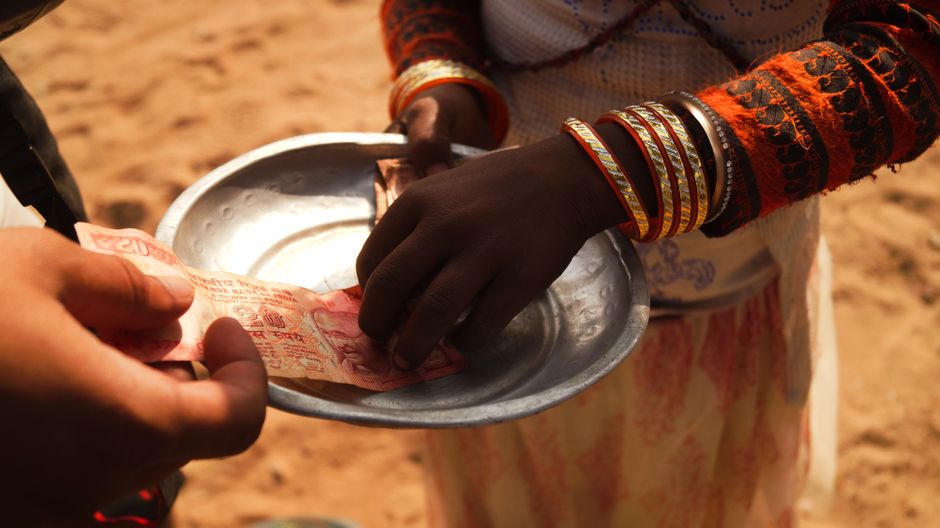
The Great Indian Exchange: Localized Commerce Flourishes in the Digital Age
The traditional retail landscape in India is undergoing a significant transformation, marked by a powerful resurgence of local exchanges fueled by digital innovation and evolving consumer priorities. This shift is not a rejection of e-commerce but rather a sophisticated integration of online capabilities with the deeply ingrained trust and familiarity of local businesses. Indians are increasingly choosing to engage with their neighborhood stores, artisans, and service providers, leveraging technology to enhance convenience, foster community, and support the local economy. This trend, driven by a confluence of factors including a growing appreciation for authenticity, a desire for personalized experiences, and the democratizing influence of mobile technology, is reshaping how commerce operates across the subcontinent. From small Kirana stores adopting digital payment gateways to local craftspeople reaching wider audiences through online platforms, the "great Indian exchange" is a testament to the adaptability and resilience of the Indian consumer and the Indian business.
The bedrock of this burgeoning local exchange movement lies in the inherent strengths of traditional Indian commerce, which have long been characterized by strong personal relationships and community ties. For generations, the neighborhood Kirana store, the local tailor, the village potter, and the street-side vendor have served as more than just places of transaction; they have been integral parts of the social fabric. These businesses offered a level of personalized service and understanding that globalized e-commerce platforms often struggled to replicate. Customers knew their local shopkeepers by name, could negotiate prices, and relied on them for everything from daily necessities to specialized advice. This deep-seated trust is a formidable asset that digital platforms are now actively seeking to emulate. The current wave of localization is, therefore, not about reinventing the wheel but about supercharging these existing strengths with modern tools.
The proliferation of smartphones and affordable mobile data has been a monumental catalyst for this shift. India boasts one of the world’s largest and fastest-growing mobile internet user bases. This ubiquitous connectivity has empowered individuals and small businesses alike, bridging geographical divides and democratizing access to information and markets. For consumers, smartphones have become their primary portal to the digital world, allowing them to discover local businesses, compare prices, read reviews, and even place orders with unprecedented ease. For local businesses, mobile technology offers a low-barrier entry into the digital realm, enabling them to create online presences, manage inventory, and engage with customers through social media and messaging apps without the need for substantial capital investment in complex IT infrastructure. This technological accessibility ensures that even the smallest of enterprises can participate in the digital economy and connect with a wider customer base, often within their immediate vicinity.
The rise of hyperlocal delivery platforms has been another crucial driver. Companies that specialize in connecting consumers with local stores for same-day or even same-hour delivery have witnessed explosive growth. These platforms effectively replicate the convenience of online shopping while retaining the benefits of purchasing from local vendors. Consumers can order groceries from their neighborhood supermarket, medicines from a local pharmacy, or even a hot meal from a nearby restaurant, all delivered to their doorstep within a remarkably short timeframe. This model directly addresses the perceived delay and inconvenience associated with traditional e-commerce, particularly for immediate needs. Furthermore, these platforms often prioritize partnerships with existing local businesses, thereby strengthening their market position and enabling them to compete more effectively with larger online retailers. The success of these hyperlocal models underscores a clear consumer preference for speed and convenience that can be effectively delivered by a localized network.
Beyond convenience, a growing segment of Indian consumers is actively seeking authenticity and unique products, a demand that local exchanges are uniquely positioned to fulfill. The homogenization of globalized retail often leads to a proliferation of similar products, and many consumers are now actively searching for items with a distinct identity, a traceable origin, and a story behind them. This is where local artisans, craftspeople, and small-scale manufacturers shine. Whether it’s hand-woven textiles, traditional pottery, bespoke jewelry, or organic produce, local producers offer a level of uniqueness and craftsmanship that is difficult to find in mass-produced goods. Digital platforms are playing a vital role in connecting these local creators with a wider audience. Online marketplaces and social media channels are becoming virtual bazaars, showcasing the diverse talent and rich cultural heritage of India, allowing consumers to directly support these creators and acquire products with a tangible connection to their roots.
The concept of "support local" has also gained significant traction in India, driven by a greater awareness of the economic and social impact of consumer choices. During the COVID-19 pandemic, in particular, many consumers recognized the vulnerability of small businesses and the crucial role they play in providing employment and sustaining local economies. This realization has fostered a sense of civic responsibility, with consumers consciously choosing to spend their money at local establishments. This shift is not merely altruistic; it also translates into tangible benefits for the consumer. Supporting local businesses often means investing in the community, creating local jobs, and contributing to a more vibrant and resilient economy. This sentiment is increasingly being articulated and amplified through social media campaigns and community initiatives, further solidifying the importance of local commerce.
The integration of digital payment solutions has been instrumental in modernizing local exchanges. The widespread adoption of Unified Payments Interface (UPI) has revolutionized how transactions occur in India. UPI’s ease of use, security, and widespread acceptance have made digital payments accessible to even the most remote and smallest of businesses. Kirana stores, street vendors, and local service providers can now accept payments seamlessly via QR codes, eliminating the need for cash and simplifying record-keeping. This technological leap not only enhances convenience for consumers but also brings local businesses into the formal economy, improving their transparency and facilitating their access to credit and other financial services. The cashless transition is accelerating the digital transformation of these traditional enterprises.
Furthermore, social media platforms have emerged as powerful tools for local businesses to build communities and engage directly with their customers. WhatsApp, in particular, has become an indispensable communication channel for many small enterprises. Businesses use WhatsApp groups to share product updates, offer personalized recommendations, manage orders, and provide customer support. Instagram and Facebook allow them to showcase their products visually, run targeted advertising campaigns, and build brand loyalty. This direct, informal communication fosters a sense of connection and personal attention that is often missing in larger, more impersonal retail environments. It allows local businesses to cultivate relationships, understand customer preferences, and adapt their offerings accordingly, creating a more dynamic and responsive marketplace.
The trend towards localization is not confined to urban centers; it is also profoundly impacting rural India. In many villages, digital literacy is on the rise, and mobile phones are becoming essential tools for information access and commerce. Local artisans and farmers are leveraging these technologies to bypass traditional intermediaries, connect directly with consumers in nearby towns, and even sell their products online. This disintermediation empowers rural producers, allowing them to retain a larger share of their profits and gain greater control over their livelihoods. The growth of e-commerce platforms that specifically cater to rural businesses and artisans is further accelerating this trend, creating new economic opportunities and fostering greater financial inclusion.
The concept of "conscious consumerism" is also a significant driver behind the resurgence of local exchanges. A growing number of consumers are becoming more aware of the environmental and social impact of their purchasing decisions. They are actively seeking out businesses that align with their values, such as those that prioritize sustainability, ethical sourcing, and fair labor practices. Local businesses, by their very nature, often have shorter supply chains and a more direct connection to their production processes, making it easier for consumers to verify their claims and build trust. This conscious approach to consumption favors transparency and accountability, qualities that local producers are often more adept at providing.
The integration of augmented reality (AR) and virtual reality (VR) technologies, while still nascent, holds immense potential for enhancing local exchanges. Imagine virtually trying on clothes from a local boutique or visualizing how a piece of local furniture would look in your home. As these technologies become more accessible, they will further blur the lines between online and offline shopping, offering immersive experiences that can be delivered by local businesses. This innovation will not only enhance customer engagement but also provide local retailers with new ways to showcase their products and differentiate themselves in a competitive market.
The future of Indian commerce is undeniably localized, but with a distinctly digital flavor. This is not a step backward but a sophisticated evolution. Local exchanges are no longer limited by physical proximity or traditional marketing channels. They are leveraging the power of the internet, mobile technology, and digital platforms to expand their reach, enhance their efficiency, and deepen their engagement with consumers. The "great Indian exchange" is a testament to the enduring appeal of community, authenticity, and personalized service, seamlessly blended with the convenience and accessibility of the digital age. This trend is not only transforming the way Indians shop but also revitalizing local economies, empowering small businesses, and preserving the rich tapestry of India’s diverse cultural heritage for generations to come. The ongoing adaptation and innovation within the local exchange ecosystem suggest a future where the convenience of global e-commerce coexists harmoniously with the deep-seated trust and unique offerings of local enterprises.

