
Hong Kong Bitcoin and Ethereum ETFs: A Gateway to Digital Asset Investment for Asian Investors
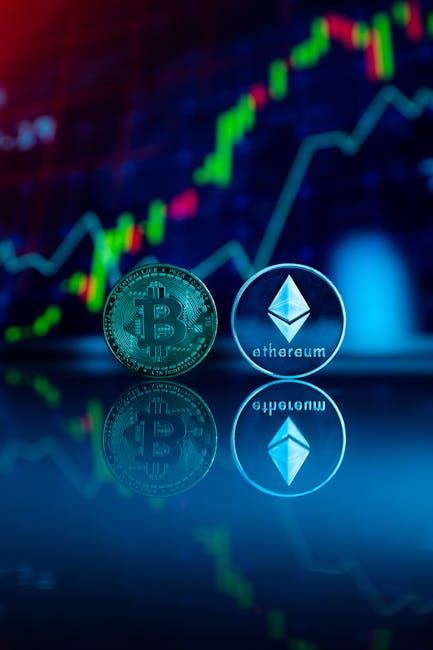
The approval and launch of spot Bitcoin and Ethereum Exchange-Traded Funds (ETFs) in Hong Kong mark a significant milestone for digital asset adoption in Asia, potentially unlocking a new era of institutional and retail investment. This development positions Hong Kong as a key player in the global cryptocurrency market, offering regulated and accessible avenues for investors to gain exposure to the two leading digital assets. The implications are far-reaching, impacting not only the local financial landscape but also influencing broader trends in the Asian digital asset ecosystem.
Historically, China’s stringent stance on cryptocurrencies has cast a long shadow over the region’s digital asset aspirations. However, Hong Kong, as a Special Administrative Region with its own distinct financial and legal framework, has consistently pursued a more progressive approach. The Securities and Futures Commission (SFC) has been actively engaged in discussions and consultations regarding crypto-related financial products, demonstrating a clear intent to foster innovation while ensuring investor protection. The introduction of Bitcoin and Ethereum ETFs is the culmination of these efforts, signaling a strategic pivot towards embracing digital assets within a regulated environment. This move is not merely about facilitating trading; it’s about building a robust ecosystem that can attract global capital and expertise. The SFC’s meticulous regulatory framework aims to mitigate risks associated with volatility, market manipulation, and custody, thereby building confidence among a wider investor base. The approval process itself was rigorous, requiring issuers to meet stringent criteria regarding fund management, custody solutions, and compliance, underscoring the SFC’s commitment to a safe and sound market.
The appeal of spot Bitcoin and Ethereum ETFs to Asian investors is multi-faceted. Firstly, they offer a familiar and regulated investment vehicle. ETFs have long been a cornerstone of traditional investment portfolios, providing diversification, liquidity, and ease of trading. By packaging Bitcoin and Ethereum into an ETF structure, these digital assets become more digestible and accessible to a broader spectrum of investors, including institutional players and retail individuals who may have been hesitant to directly purchase and custody cryptocurrencies. This familiarity significantly lowers the barrier to entry, making it simpler for individuals accustomed to traditional financial markets to participate in the burgeoning digital asset space. The perceived risk associated with direct cryptocurrency ownership, such as the complexities of private key management and exchange security, are largely mitigated by the ETF structure, where professional fund managers handle the underlying asset custody.
Secondly, the launch of these ETFs is expected to inject significant liquidity into the cryptocurrency market. As more capital flows into these regulated products, it can lead to increased trading volumes and potentially more stable price discovery. For Asian investors, this enhanced liquidity is crucial, as it ensures that they can enter and exit their positions efficiently, a key concern for any investment strategy. The presence of regulated ETFs also attracts institutional investors, such as pension funds, asset managers, and hedge funds, who are often bound by strict investment mandates and risk management protocols. The ability to gain exposure to Bitcoin and Ethereum through a regulated ETF aligns with these mandates, paving the way for substantial institutional capital deployment. This influx of institutional money can have a profound impact on market stability and price appreciation, further encouraging retail participation.
Thirdly, the geographic location of Hong Kong is a strategic advantage. As a global financial hub with strong ties to mainland China and a gateway to other Asian markets, Hong Kong is well-positioned to serve as a regional distribution point for these digital asset ETFs. Investors in countries with less developed or more restrictive cryptocurrency regulations can potentially access these Hong Kong-listed products, circumventing local barriers. This is particularly relevant for investors in mainland China, where direct cryptocurrency trading is prohibited, but indirect exposure through regulated offshore products might be permissible or more readily accepted within a broader investment context. The potential for arbitrage and cross-border investment flows is significant, and Hong Kong’s regulatory clarity provides a stable platform for such activities. Furthermore, the city’s established financial infrastructure and legal system lend credibility and trust to these new investment products, making them attractive to a regional investor base seeking reliable entry points into the digital asset market.
The specific products approved are generally structured as passively managed ETFs, meaning they aim to track the price performance of Bitcoin and Ethereum. This approach is common for commodity and digital asset ETFs, offering a straightforward way for investors to participate in the price movements of the underlying assets without the complexities of active management. The underlying Bitcoin and Ethereum are typically held in regulated custody by reputable third-party custodians, ensuring the security and integrity of the assets. The selection of these custodians is a critical aspect of the SFC’s approval process, as it directly impacts investor security. The due diligence undertaken by the SFC ensures that the chosen custodians meet high standards for security, operational resilience, and regulatory compliance. This focus on robust custody solutions is paramount for building long-term investor confidence in the digital asset space.
The implications for the broader Asian cryptocurrency market are substantial. The success of these Hong Kong ETFs could encourage other jurisdictions in Asia to follow suit, leading to a more widespread adoption of regulated digital asset investment products. This would contribute to the maturation of the regional cryptocurrency ecosystem, fostering innovation in areas such as blockchain technology development, decentralized finance (DeFi) applications, and the creation of other digital asset-related financial instruments. The recognition and integration of Bitcoin and Ethereum into mainstream financial markets through ETFs legitimize these digital assets as viable investment options, moving them beyond the realm of speculative ventures and into the territory of established asset classes. This shift in perception is crucial for attracting sustained investment and driving further technological advancements.
Furthermore, the presence of regulated ETFs could spur the development of a more sophisticated financial infrastructure in Asia that supports digital assets. This includes improvements in trading platforms, custody services, risk management tools, and regulatory compliance frameworks. As the demand for digital asset exposure grows, so too will the need for specialized services that cater to this evolving market. Hong Kong’s proactive stance can serve as a blueprint for other financial centers in the region looking to engage with the digital economy while maintaining financial stability and investor protection. The regulatory clarity provided by Hong Kong can act as a catalyst for innovation, encouraging local fintech companies and traditional financial institutions to develop new products and services that leverage blockchain technology and digital assets.
However, it is important to acknowledge the inherent risks associated with investing in Bitcoin and Ethereum, even through regulated ETFs. These digital assets are known for their extreme volatility, and their prices can experience significant fluctuations in short periods. Investors must conduct thorough due diligence, understand their risk tolerance, and only invest capital they can afford to lose. The ETF structure does not eliminate these underlying risks; it merely provides a more accessible and regulated way to gain exposure to them. The underlying volatility of Bitcoin and Ethereum remains a primary concern, and potential investors must be prepared for significant price swings. Market manipulation, regulatory changes in other jurisdictions, and technological vulnerabilities are also factors that can influence the value of these assets. Therefore, education and a prudent investment approach are essential.
The competitive landscape for these ETFs is also noteworthy. Several reputable asset management firms have launched their Bitcoin and Ethereum ETFs in Hong Kong, each vying for investor capital. This competition is likely to lead to improved product offerings, potentially lower management fees, and enhanced investor services, ultimately benefiting the end investor. The presence of multiple issuers fosters a healthy market, encouraging innovation and driving efficiency. Investors will have a range of choices, allowing them to select ETFs that best align with their investment objectives and preferences, including differing fee structures and underlying methodologies for tracking the digital assets. The continuous innovation driven by this competition will be a key factor in the long-term success and evolution of digital asset ETFs in the region.
Looking ahead, the success of these Hong Kong spot Bitcoin and Ethereum ETFs could pave the way for the approval of ETFs tracking other cryptocurrencies, such as Solana or Cardano, and potentially more complex digital asset products. The SFC’s cautious but progressive approach suggests a willingness to expand the scope of regulated digital asset offerings as the market matures and regulatory frameworks evolve. The initial focus on Bitcoin and Ethereum, the two largest and most established cryptocurrencies, is a logical step in this evolutionary process. As the market gains more experience and confidence, the SFC may consider approving ETFs for a wider range of digital assets, further diversifying the investment opportunities available to Asian investors. This could include ETFs that track baskets of cryptocurrencies or even those that offer exposure to specific blockchain ecosystems.
The global implications of Hong Kong’s move cannot be overstated. It signals a growing acceptance of digital assets by major financial centers and could put pressure on other regulatory bodies to re-evaluate their own stances. The region’s adoption of regulated digital asset investment products could serve as a model for other emerging markets seeking to participate in the digital economy responsibly. The long-term impact will be a more integrated global financial system where digital assets play a more prominent role, bridging the gap between traditional finance and the decentralized future. The emergence of Hong Kong as a significant player in this space reinforces its position as a global financial hub and its ability to adapt to the evolving technological and financial landscape. The success of these ETFs will be closely watched by financial institutions and regulators worldwide, potentially influencing the trajectory of digital asset regulation and adoption on a global scale.
