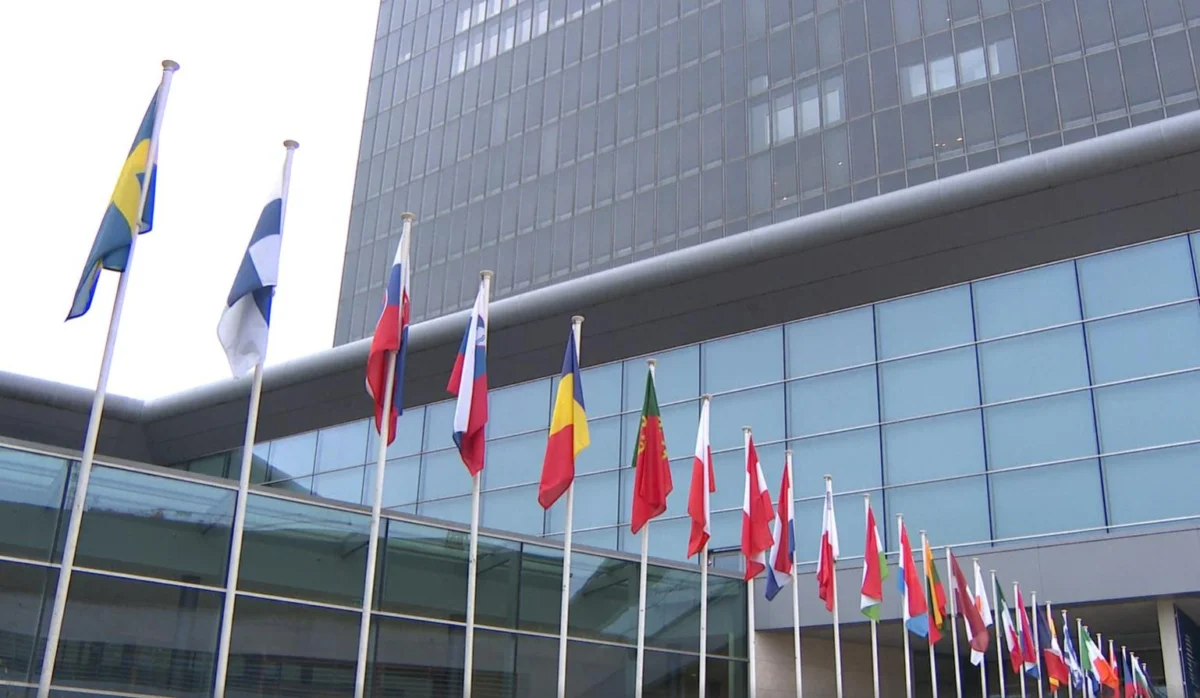
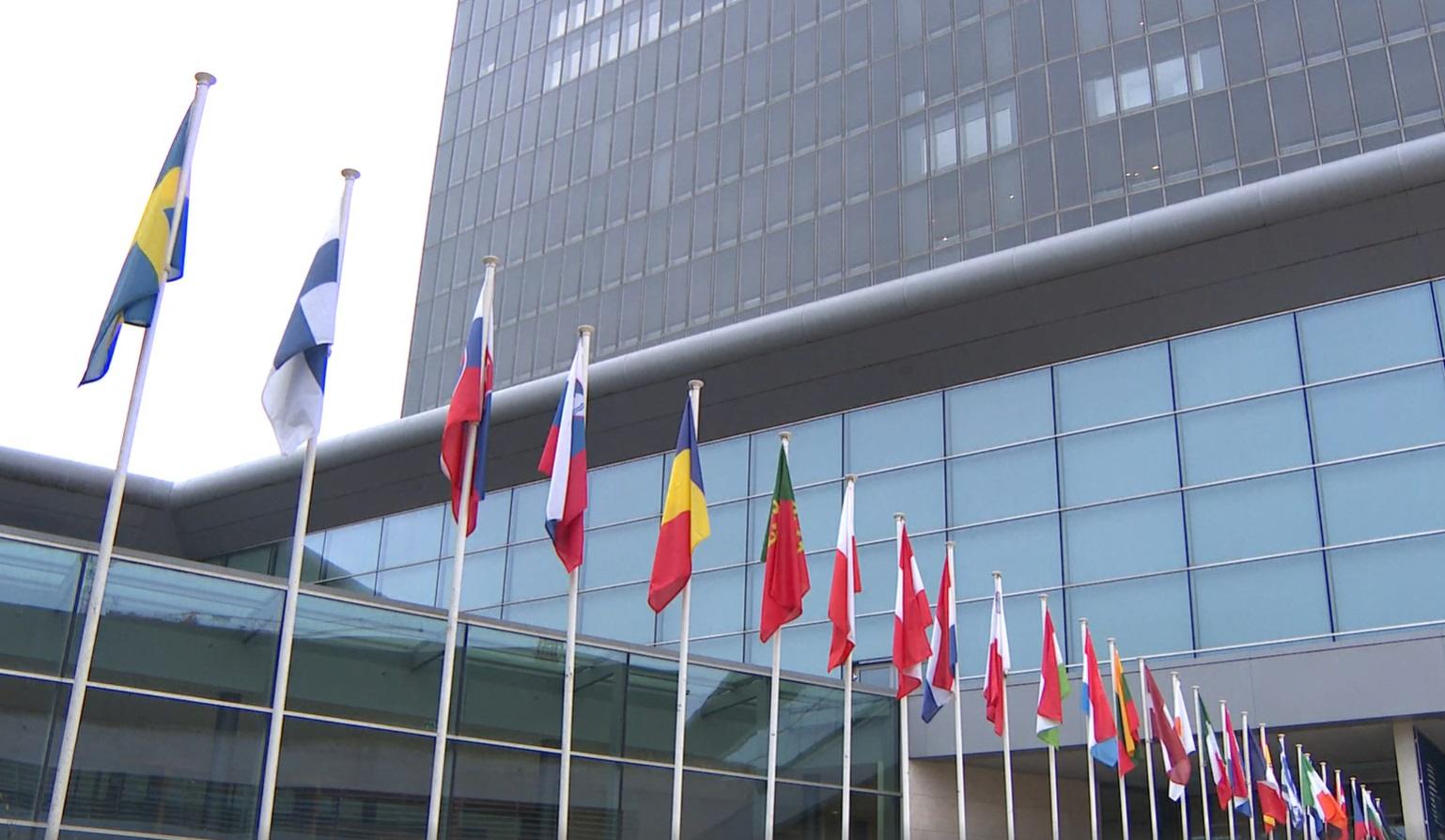
The European Council has formally signaled its support for a one-year postponement of critical methane monitoring and reporting requirements for oil, gas, and coal importers. This decision, aimed at balancing the European Union’s ambitious climate agenda with the pragmatic realities of global energy security, places the Council at odds with the European Parliament, which has advocated for a more significant three-year delay. As the legislative bodies move toward a final resolution, the outcome will determine the pace at which the EU holds international fossil fuel suppliers accountable for their environmental footprint.
The proposed delay centers on the implementation of the EU’s landmark 2024 regulation, which was designed to curb methane emissions—a potent greenhouse gas—within the energy sector. While the initial framework sought to implement strict transparency and reporting standards by 2028, the current geopolitical climate and subsequent volatility in energy markets have prompted a reconsideration of the timeline.
A Chronology of the Methane Regulation Framework
The journey toward regulating methane imports began in earnest as part of the European Green Deal, with policymakers identifying methane as a critical lever for meeting the bloc’s climate objectives. Because methane has a global warming potential approximately 80 times greater than carbon dioxide over a 20-year period, its mitigation is considered the "low-hanging fruit" of climate action.
- 2023-2024: Negotiations concluded on the comprehensive methane regulation, marking the world’s first legislative effort to mandate methane emission transparency for imported fossil fuels. The law requires importers to verify emissions data, manage leaks, and restrict venting and flaring.
- October 2026: Recognizing that the energy sector faced mounting pressure regarding supply security, the European Commission proposed a tactical one-year delay to the reporting requirements.
- November 2026: The European Council officially adopted its negotiating position, aligning with the Commission’s one-year delay.
- Late 2026/Early 2027 (Anticipated): Trilogues between the Council, the Commission, and the Parliament are expected to reconcile the gap between the proposed one-year and three-year delays to ensure a final decision before the end of the year.
The Rationale Behind the Delay: Security vs. Sustainability
The core of the debate lies in the interpretation of "geopolitical context." The European Council, echoing the sentiments of the European Commission, argues that the current global energy landscape is precarious. With high volatility in energy pricing and the need to diversify away from traditional, unstable supply routes, member states are concerned that overly stringent or premature reporting mandates could discourage suppliers from continuing to provide the EU with necessary fossil fuels.
Darragh O’Brien, Ireland’s Minister for Climate, Energy and the Environment, articulated this tension during the recent announcement. "There are significant pressures on global energy markets, which are driving up energy prices across the EU," O’Brien stated. "More than ever, we need secure and reliable energy supplies in Europe. The Council’s agreement today proposes a pragmatic approach forward, addressing the pressures in the energy market, while maintaining the EU’s global leadership in reducing methane emissions."
Conversely, the European Parliament’s push for a three-year delay—pushing the deadline to 2031—is rooted in feedback from the industry. Importers have signaled that they currently lack the infrastructure and third-party verification capacity to meet the rigorous reporting standards mandated by the 2024 law. Without additional lead time, importers fear they may be forced to exit certain supply contracts, potentially exacerbating the existing strain on European energy supply chains.
Supporting Data and Environmental Context
Methane emissions from the energy sector are primarily linked to the leakage of natural gas during extraction, processing, and transportation. Global data from the International Energy Agency (IEA) has consistently highlighted that the oil and gas industry is one of the largest anthropogenic sources of methane. By requiring importers to provide accurate data on these emissions, the EU hopes to leverage its massive purchasing power to force global suppliers to modernize their infrastructure.
The 2024 law represents a systemic shift in how the EU conducts energy diplomacy. By requiring "measurement, reporting, and verification" (MRV), the EU is essentially establishing a global standard. However, the data requirements are immense. Verification involves not only the importers themselves but also the establishment of third-party audit systems in exporting nations.
As part of its recent agreement, the Council has included a safeguard: a requirement for the Commission to conduct a formal assessment by September 30, 2027. This assessment will specifically evaluate whether the necessary infrastructure—including a sufficient number of accredited third-party verifiers—is actually in place. If the Commission determines that the market is not ready, the delay may be effectively validated by technical necessity rather than just political preference.

Analyzing the Implications of the Legislative Gap
The gap between the Council’s one-year delay and the Parliament’s three-year request carries significant implications for both the EU’s climate credibility and its internal energy policy.
1. The Climate Leadership Dilemma:
The EU has long branded itself as the vanguard of the global energy transition. By delaying the implementation of its own flagship methane laws, it risks being perceived as prioritizing short-term economic comfort over long-term environmental necessity. If the EU cannot enforce its own rules on imports, it may lose its bargaining power when negotiating methane reduction pledges with major exporters like the United States, Norway, or North African suppliers.
2. Supply Chain Disruptions:
The concerns raised by the Parliament are not purely bureaucratic. The global supply chain for fossil fuels is highly interconnected. If the EU demands emissions reporting that suppliers in developing nations cannot provide, there is a risk of sudden supply shocks. A three-year window, as requested by Parliament, provides a more realistic timeline for the industry to invest in the leak-detection technologies and data-gathering systems required to become compliant.
3. Economic Sensitivity:
Energy prices remain a primary driver of inflation within the Eurozone. Any policy that threatens the continuity of supply, or adds significant administrative costs that are ultimately passed down to the consumer, is politically radioactive. The Council’s decision to favor a one-year delay suggests a desire to remain as close to the original, more ambitious timeline as possible, while still providing a "safety valve" to prevent price volatility.
Future Outlook and Next Steps
As the EU approaches the end of 2026, the focus will shift to the inter-institutional negotiations. The Parliament’s position—that a 2028 start date is functionally impossible due to supply constraints—will be tested against the Council’s desire to maintain momentum on climate policy.

The ultimate resolution will likely involve a compromise. It is possible that the final regulation will settle on a staggered implementation: a one-year delay for the most critical, easily monitored segments of the supply chain, with more complex reporting requirements phased in over the subsequent two years.
Furthermore, the role of the Commission in the coming months will be critical. By acting as the mediator, the Commission will need to provide the technical evidence to support whether a one-year, two-year, or three-year delay is most appropriate to ensure both supply security and the integrity of the methane monitoring program.
Ultimately, this legislative standoff highlights the inherent complexity of the European Green Deal. Transforming the energy sector is no longer just about switching to renewables; it is about managing the transition in a way that keeps the lights on, the factories running, and the public protected from the economic shocks of a volatile global market. The debate over methane reporting is, in effect, a microcosm of the wider challenge of balancing the EU’s role as a global climate leader with its fundamental need for energy security. Whether the final deadline falls in 2029 or 2031, the trajectory remains clear: the era of "invisible" methane emissions in the EU’s energy supply is coming to an end, even if the road to that transparency is longer and more contested than originally anticipated.