

Elon Musk Teases Next-Gen Innovations: A Glimpse into the Future of Transportation, AI, and Beyond
Elon Musk, the enigmatic CEO of Tesla and SpaceX, and founder of The Boring Company and Neuralink, consistently generates headlines with ambitious visions and groundbreaking advancements. His recent pronouncements, often delivered through the ephemeral platform of X (formerly Twitter), offer tantalizing glimpses into what he terms "next-gen" innovations. These teasers are not mere marketing hyperbole; they represent strategic nudges towards transformative technologies that could redefine industries and our very existence. The core of these upcoming developments appears to revolve around accelerating the transition to sustainable energy, achieving artificial general intelligence (AGI), and revolutionizing human-machine interfaces. Musk’s characteristic blend of audacious goals and relentless execution suggests that these are not distant pipe dreams but achievable milestones on a clearly defined roadmap.
The realm of electric vehicles, spearheaded by Tesla, is a primary focus for these next-generation advancements. While Tesla has already established itself as a leader in the EV market with models like the Model S, 3, X, and Y, Musk has consistently hinted at a more fundamental evolution of their automotive platform. This "next-gen" platform is expected to be a paradigm shift, moving beyond incremental improvements in battery technology and vehicle architecture. Key to this evolution is the concept of a skateboard chassis that is significantly more integrated and cost-effective to produce. This would involve a radical redesign of how batteries, motors, and structural components are incorporated, potentially leading to a substantial reduction in manufacturing costs and complexity. The goal is to democratize EV ownership, making them accessible to a much broader segment of the global population. Furthermore, the next-gen Tesla is anticipated to be even more deeply intertwined with full self-driving (FSD) capabilities. While FSD has faced regulatory hurdles and public scrutiny, Musk remains steadfast in his belief that it will eventually surpass human driving capabilities. The next-gen platform will likely be designed from the ground up with advanced sensor suites, higher processing power, and a more robust software architecture specifically tailored for autonomous operation. This could unlock new revenue streams through robotaxi services and vastly improve transportation efficiency and safety. The focus isn’t just on the car itself, but the entire ecosystem. We can anticipate advancements in charging infrastructure, with faster, more ubiquitous charging solutions, and a more sophisticated integration of vehicles into smart grids. The concept of vehicle-to-grid (V2G) technology, where Teslas can feed power back into the grid during peak demand, is likely to be a crucial element of this next-gen vision, further solidifying Tesla’s role in the broader energy transition.
Beyond the immediate consumer market, Musk’s ambitions extend to industrial-scale transportation solutions. The Boring Company’s vision of alleviating urban congestion through underground tunnel networks is another area where "next-gen" concepts are likely to emerge. While current projects focus on single-lane tunnels for electric vehicles, future iterations could involve multi-lane systems, higher-speed transport, and potentially even integration with hyperloop technology for inter-city travel. The key challenge for The Boring Company has been reducing tunnel construction costs. Musk has alluded to developing more efficient tunneling machines and adopting mass-production techniques for tunnel segments. This cost reduction is critical for scaling the technology to a point where it can address the traffic problems of major metropolitan areas worldwide. The "next-gen" Boring Company might also incorporate advancements in autonomous vehicle navigation within the tunnels, allowing for higher throughput and more seamless integration with surface transportation. The vision is a multi-layered transportation system, with traditional roads, underground tunnels, and potentially even aerial transport all working in concert.
The pursuit of Artificial General Intelligence (AGI) represents perhaps Musk’s most profound and potentially world-altering ambition. His statements on AI consistently highlight both its immense potential benefits and its existential risks. The development of Optimus, Tesla’s humanoid robot, is a tangible manifestation of this AI pursuit. While current iterations of Optimus are still in their early stages, demonstrating basic locomotion and manipulation, Musk envisions a future where these robots can perform a wide range of tasks, from factory work and household chores to potentially even assisting in dangerous or complex environments. The "next-gen" Optimus will likely feature significantly improved AI capabilities, enabling it to learn, adapt, and problem-solve in real-time, approaching human-level intelligence in specific domains. This requires breakthroughs in areas such as reinforcement learning, natural language processing, and computer vision. Musk has also spoken about the need for AI to be aligned with human values, underscoring the importance of ethical considerations in its development. This suggests a focus on safety, transparency, and control mechanisms within the AI systems powering Optimus and other future AI initiatives. The goal isn’t just to create intelligent machines, but to ensure that this intelligence serves humanity.
Neuralink, Musk’s venture into brain-computer interfaces (BCIs), is another domain where "next-gen" innovation is poised to make significant strides. The current focus is on developing implantable devices that can read and write neural signals, with initial applications aimed at helping individuals with severe neurological disorders, such as paralysis or blindness. Musk has hinted at a future where these BCIs are far more sophisticated, enabling seamless integration between human thought and digital systems. This could lead to enhanced cognitive abilities, direct mental control of external devices, and even a form of digital telepathy. The "next-gen" Neuralink interface will likely be less invasive, more powerful, and capable of processing a much larger volume of neural data. This requires advancements in biocompatible materials, micro-electrode technology, and sophisticated algorithms for decoding and encoding neural information. The ethical implications of such advanced BCIs are profound, and Musk has acknowledged the need for careful consideration of privacy, security, and the potential for misuse. However, his underlying belief is that such technology, if developed responsibly, can unlock unprecedented human potential and address some of the most challenging medical conditions.
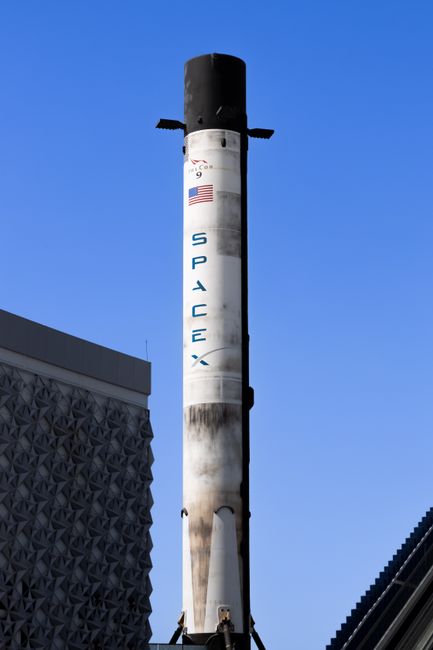
Furthermore, Musk’s engagement with SpaceX, while primarily focused on space exploration and colonization, also intersects with his broader "next-gen" vision. The development of Starship, a fully reusable super heavy-lift launch vehicle, is crucial for making space travel more affordable and accessible. This has direct implications for satellite deployment, enabling broader internet coverage through Starlink and potentially facilitating space-based manufacturing or resource extraction in the future. The "next-gen" SpaceX capabilities will extend beyond simply launching payloads; they will involve establishing a sustainable presence on other celestial bodies, which requires advancements in life support systems, in-situ resource utilization, and autonomous robotics. This long-term vision of becoming a multi-planetary species is intrinsically linked to the development of advanced AI, robotics, and sustainable energy solutions, all of which are core components of Musk’s "next-gen" agenda. The ability to build and maintain infrastructure on Mars, for instance, will rely heavily on autonomous systems and efficient resource management, areas where Tesla’s AI and energy expertise will be invaluable.
In summary, Elon Musk’s "next-gen" teasers are not isolated announcements but represent a cohesive, albeit ambitious, vision for the future. This vision is characterized by the relentless pursuit of transformative technologies that aim to accelerate sustainable energy adoption through advancements in electric vehicles and energy storage, achieve human-level artificial intelligence with applications ranging from robotics to autonomous systems, and augment human capabilities through sophisticated brain-computer interfaces. His work across Tesla, SpaceX, The Boring Company, and Neuralink is not siloed but interconnected, with each venture contributing to and benefiting from the advancements in the others. The underlying theme is one of radical innovation, cost reduction through mass production, and a profound belief in the potential of technology to solve humanity’s greatest challenges, from climate change and traffic congestion to neurological disorders and the existential limitations of our current planetary existence. The world watches with a mix of anticipation and apprehension as Musk continues to push the boundaries of what is considered possible, shaping a future that promises to be more automated, more intelligent, and perhaps, fundamentally different.

