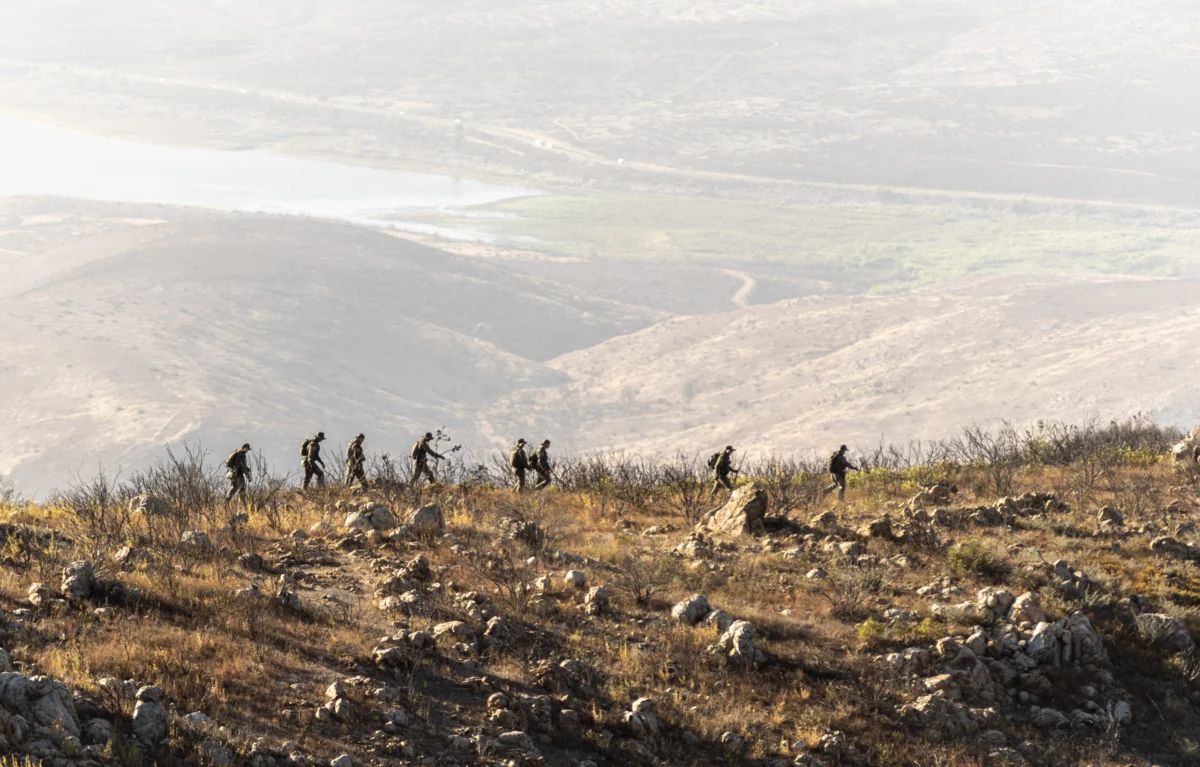
The afternoon sun beat down relentlessly on the rugged terrain of the Otay Mountain Wilderness as thirty-year-old Graciela Gómez Hernández took her first uncertain steps into Southern California. Having slipped across the border from Tijuana on September 14, 2025, she hoped to find employment and send remittances back to her three children and parents in southern Mexico. Her oldest son, just eleven years old, had recently asked for a bicycle—a simple childhood wish that motivated her perilous journey. Yet, within hours of crossing, Gómez Hernández was disoriented, exhausted, and desperately fighting for survival.
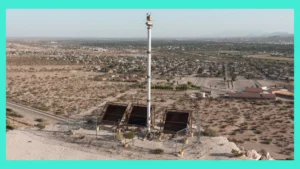
Despite being alone in the harsh wilderness, she was far from isolated. Gómez Hernández was navigating one of the most densely monitored strips of land on earth. As she whispered a final, harrowing voice message to her mother at 2:30 p.m.—reporting that she could no longer continue—advanced technology surrounded her. Helicopters hovered overhead, Border Patrol vehicles patrolled nearby roads, and high-resolution surveillance towers stood watch on surrounding hilltops. Two weeks later, when forensic teams finally recovered her remains, most of her body had decomposed into the earth. Her tragic death highlights a profound contradiction at the heart of modern border security: thousands of migrants perish in plain sight of multi-billion-dollar surveillance networks designed to monitor the very terrain they traverse.
A Chronology of a Desperate Journey

The timeline of Gómez Hernández’s final days underscores the rapid deterioration that migrants often face when attempting to navigate California’s treacherous borderlands without adequate preparation.
September 13, 2025: Keeping her intentions hidden from a family uniformly opposed to the dangerous trip, Gómez Hernández finalizes her arrangements, paying local smugglers approximately $1,150—far below the standard rate—for a solo hike across the international boundary.
September 14, 2025: At roughly midday, she crosses the border into Southern California near the eastern edge of Tijuana. As she ascends into the Otay Mountain Wilderness, she maintains contact with her family via WhatsApp, sending regular updates and location pings.
2:00 p.m. to 4:00 p.m.: Overtaken by the stifling afternoon heat and steep elevation gains, Gómez Hernández whispers her final recorded message to her mother: “I can’t do it anymore.” Her family later learns she encountered another traveler who offered little assistance before moving on. Her phone continues to transmit location pings to smugglers until approximately 4:00 p.m., after which all communication ceases.

October 3, 2025: Following weeks of evasive responses from smugglers, her sister Irma contacts search-and-rescue groups, eventually providing GPS coordinates to the U.S. Border Patrol.
October 4, 2025: Investigators discover her skeletonized remains on a dirt path roughly 100 yards north of the international border. A medical examiner later confirms the absence of food or water, noting signs consistent with severe dehydration and environmental exposure.
Surveillance Expansion and Empirical Realities
Over the past decade, the United States government has heavily militarized the southern border, deploying an interconnected web of high-tech infrastructure. According to Government Accountability Office (GAO) reports, Customs and Border Protection (CBP) operated more than 800 surveillance towers by mid-2026, with plans to expand the network to 2,300 towers by 2034 at a cost exceeding $1.4 billion. These installations—manufactured by defense contractors such as General Dynamics and Anduril Industries—utilize long-range electro-optical and infrared cameras, often powered by artificial intelligence to autonomously classify and track moving targets across distances of five to seven miles.

However, an extensive journalistic investigation conducted by the Times of San Diego and MIT Technology Review reveals significant systemic flaws within this multi-billion-dollar apparatus. Analyzing migrant mortality data from 2022 through 2025, investigators discovered that at least 138 individuals died within the nominal range of nearby surveillance towers. Furthermore, topographical analyses indicate that more than half of these victims were located within a direct line of sight, meaning physical terrain did not obstruct the cameras’ view.
These findings point to two troubling possibilities: either the surveillance technology failed to detect individuals in critical distress, or the system registered their presence but enforcement agencies failed to intervene. Internal memos from federal agencies have previously highlighted maintenance vulnerabilities, revealing that up to 30 percent of older camera towers experienced operational failures due to outdated hardware, missing replacement parts, or environmental damage in rugged terrain.
The Divergent Routes of Deterrence
Border security officials defend the deployment of autonomous towers and sensor networks as vital tools for achieving operational control. Industry representatives from Anduril have publicly stated that their installations have autonomously identified hundreds of thousands of crossings and directly contributed to interdiction efforts. Government officials argue that smart infrastructure enhances agent efficiency by providing real-time situational awareness.

Yet humanitarian advocates and search-and-rescue personnel argue that the proliferation of surveillance towers has generated unintended, lethal consequences. Rather than outright stopping unauthorized crossings, heavy monitoring near traditional entry points often deters migrants from utilizing accessible paths, funneling them instead into more extreme, remote environments.
Osvaldo Ruiz, a coordinator for the humanitarian group Border Angels, notes that the Otay Mountain wilderness is blanketed with hidden sensors, license plate readers, and automated towers designed to detect human movement. As these surveillance zones expand, desperate travelers attempt rapid, high-risk transits to evade detection, frequently discarding essential supplies like water to maintain speed. Consequently, dehydration, heatstroke, and hypothermia claim dozens of lives annually within feet or yards of advanced technological oversight.
Institutional Responses and Accountability
When questioned regarding the operational status of towers near migrant fatalities, defense contractors and federal agencies have largely demurred. Representatives for Anduril and General Dynamics declined to comment on specific performance metrics in mountainous terrain, deferring inquiries to the U.S. Border Patrol. Meanwhile, CBP officials have not clarified whether specific systems detected individuals such as Gómez Hernández prior to their deaths.

Humanitarian workers emphasize that emergency rescue operations for distressed migrants are rarely prioritized over interdiction and apprehension. Bryce Peterson, a researcher with the advocacy organization No More Deaths, notes that border personnel frequently prioritize group apprehensions over individual welfare checks on lone hikers, leaving vulnerable travelers without timely intervention.
Broader Implications for Immigration Policy
The tragic death of Graciela Gómez Hernández and the broader statistical findings of the Times of San Diego and MIT Technology Review investigation illustrate the human cost of modern border management strategies. As federal agencies continue investing heavily in automated surveillance and artificial intelligence to secure the southwestern border, the gap between technological capability and humanitarian rescue remains stark.
For the family of Gómez Hernández, the technological shield overlooking her final moments offers no comfort. Months after her remains were repatriated to Mexico, her oldest son continues to grapple with her absence. As migration pressures persist globally, human rights advocates warn that without proactive search-and-rescue integration, the expansion of high-tech border surveillance will continue to coincide with preventable tragedies in the borderlands.