
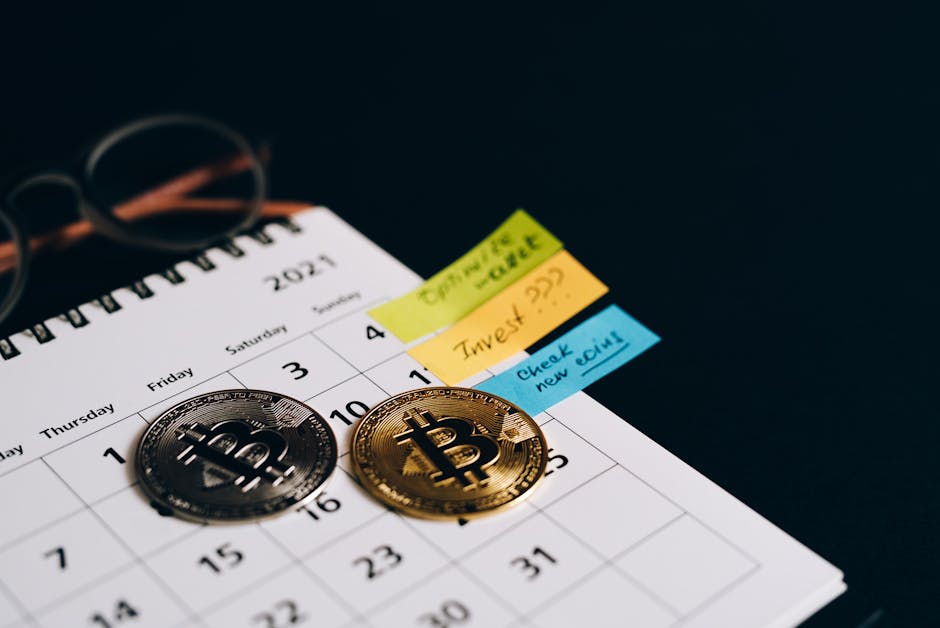
The Evolving Landscape of Crypto Investment Products: A Comprehensive Guide
The nascent cryptocurrency market, once the domain of tech enthusiasts and early adopters, has rapidly matured, giving rise to a sophisticated array of investment products designed to meet the diverse needs of both retail and institutional investors. These products move beyond direct cryptocurrency ownership, offering regulated, accessible, and often more diversified avenues to gain exposure to the digital asset class. Understanding these evolving instruments is crucial for anyone seeking to navigate the opportunities and risks inherent in crypto investments.
Direct Cryptocurrency Ownership: The foundational investment product remains direct ownership of cryptocurrencies like Bitcoin (BTC) and Ethereum (ETH). This involves acquiring coins or tokens through exchanges, holding them in personal wallets (hot or cold storage), and managing private keys. The primary appeal lies in the direct control and potential for maximum upside. However, it also carries the highest degree of technical and security responsibility. Investors must be diligent about exchange security, wallet management, and safeguarding private keys to prevent theft or loss. Volatility is a defining characteristic, requiring a high-risk tolerance and a long-term investment horizon. Market analysis, understanding blockchain technology, and staying abreast of regulatory developments are paramount for successful direct ownership. The decentralized nature of many cryptocurrencies offers a unique proposition, but this also means a lack of traditional investor protections afforded by regulated financial products. Fees associated with trading on exchanges, withdrawal fees, and potential network transaction fees are also considerations. Despite the inherent risks, direct ownership remains the bedrock upon which many other crypto investment products are built.
Crypto Exchange-Traded Funds (ETFs): Crypto ETFs represent a significant step towards mainstream adoption, offering investors a familiar and regulated structure to gain exposure to cryptocurrencies. Unlike direct ownership, ETFs are baskets of assets traded on traditional stock exchanges. A Bitcoin ETF, for example, would hold Bitcoin as its underlying asset, and its price would track the price of Bitcoin. This structure eliminates the need for investors to manage private keys or navigate complex cryptocurrency exchanges, simplifying the investment process. The primary benefit of crypto ETFs is their accessibility and regulatory oversight. They are typically offered through established brokerage accounts, making them readily available to a broad investor base. Furthermore, regulatory approval by bodies like the U.S. Securities and Exchange Commission (SEC) provides a layer of investor protection and legitimacy. ETFs also offer diversification, as some may hold multiple cryptocurrencies or derivatives linked to crypto prices. Liquidity is generally high, as they trade on major exchanges throughout the trading day. However, ETFs come with management fees, which can impact overall returns. While ETFs track underlying crypto prices, there can be slight tracking differences due to management costs and fund operations. Furthermore, the approval and availability of crypto ETFs have been a lengthy and often contentious process, with regulatory hurdles varying significantly by jurisdiction. The future of crypto ETFs is bright, with the potential for more diverse offerings, including those tracking altcoins and various crypto sectors. Investors should carefully consider the ETF’s underlying assets, expense ratio, and the reputation of the fund issuer.
Crypto Futures Contracts: Crypto futures contracts are derivative instruments that allow investors to speculate on the future price of a cryptocurrency without actually owning the underlying asset. These contracts obligate the buyer to purchase a specific cryptocurrency at a predetermined price on a future date, or the seller to sell it. Futures are traded on regulated exchanges and are often used for hedging and speculation. For institutional investors, futures can be a valuable tool for managing price risk in their cryptocurrency holdings. Retail investors can use them to profit from price movements, both up and down, through leveraged trading. The primary advantage of futures is the ability to leverage capital, potentially amplifying gains. However, leverage also magnifies losses, making futures contracts inherently risky. They are best suited for experienced traders with a deep understanding of market dynamics, risk management, and the intricacies of futures trading. Funding rates, which are payments made between traders to maintain their open positions, can also impact profitability. The complexity of futures contracts, including margin calls and expiration dates, requires a higher level of sophistication compared to direct ownership or ETFs. Regulatory scrutiny of crypto futures markets is increasing, and investors should be aware of the specific rules and regulations in their jurisdiction.
Crypto Options Contracts: Similar to futures, crypto options are derivative contracts that give the buyer the right, but not the obligation, to buy (call option) or sell (put option) a specific cryptocurrency at a predetermined price (strike price) on or before a certain date (expiration date). Options offer flexibility and can be used for a variety of strategies, including hedging, speculation, and income generation. The premium paid for an option is the maximum amount an investor can lose, making them potentially less risky than futures for speculative purposes if managed correctly. However, the potential for profit is also capped, and many options expire worthless. Complex options strategies, such as straddles, strangles, and iron condors, can be employed to profit from various market conditions, but they require a sophisticated understanding of options pricing and risk. Volatility plays a significant role in options pricing, and implied volatility can be a key factor for traders to consider. Like futures, options are best suited for experienced traders who understand the mechanics of options trading, risk management, and the specific characteristics of the underlying cryptocurrency. Regulatory oversight of crypto options is also evolving, and investors must stay informed about relevant regulations.
Stablecoins: While not strictly an investment product in the traditional sense, stablecoins play a critical role in the crypto ecosystem and offer unique investment-like properties. Stablecoins are cryptocurrencies designed to maintain a stable value, typically pegged to a fiat currency like the U.S. dollar (e.g., USDT, USDC) or other assets. They are created to bridge the gap between the volatile nature of cryptocurrencies and the stability of traditional currencies, facilitating easier trading and transactions within the crypto space. Investors can hold stablecoins to preserve capital, earn yield through DeFi protocols, or use them as a temporary safe haven during periods of high market volatility. The primary risk associated with stablecoins lies in the potential for de-pegging, where the stablecoin loses its intended peg to the underlying asset. This can occur due to issues with the reserves backing the stablecoin, regulatory action, or market manipulation. Thorough due diligence on the issuer and the mechanism used to maintain the peg is essential. Yield opportunities on stablecoins, often referred to as stablecoin staking or lending, can offer attractive returns but come with associated risks, including smart contract vulnerabilities and counterparty risk. The regulatory landscape for stablecoins is a major focus for governments worldwide, and future regulations could significantly impact their stability and usability.
Yield Farming and Staking: Yield farming and staking are decentralized finance (DeFi) strategies that allow crypto holders to earn passive income by providing liquidity to decentralized exchanges (DEXs) or locking up their tokens to support network operations. Staking involves locking a certain amount of cryptocurrency to participate in the consensus mechanism of a Proof-of-Stake (PoS) blockchain, earning rewards in return. Yield farming, on the other hand, involves lending or depositing crypto assets into liquidity pools on DEXs to facilitate trading, earning transaction fees and/or governance tokens as rewards. Both strategies offer potentially attractive yields, often significantly higher than traditional savings accounts. However, they also carry substantial risks. Impermanent loss is a key risk in yield farming, where the value of deposited assets can decrease relative to simply holding them if the relative prices of the tokens in the liquidity pool diverge significantly. Smart contract risk, where vulnerabilities in the code of DeFi protocols can lead to loss of funds, is another major concern. Additionally, rug pulls, a form of exit scam where developers abandon a project and run away with investors’ funds, are a persistent threat in the DeFi space. Regulatory uncertainty surrounding DeFi is also a significant factor. Investors engaging in yield farming and staking must possess a strong understanding of smart contract functionality, risk management, and the specific protocols they are interacting with. Diversification across different protocols and assets is crucial to mitigate risk.
Crypto Lending and Borrowing Platforms: Centralized and decentralized platforms have emerged that facilitate crypto lending and borrowing. In crypto lending, individuals or institutions can deposit their crypto assets to earn interest, acting as lenders. Conversely, borrowers can use their crypto as collateral to take out loans in fiat currency or other cryptocurrencies. Centralized platforms, operated by companies, offer a more user-friendly experience and often provide higher interest rates. Decentralized platforms, built on blockchain technology, offer greater transparency and user control but can be more complex to navigate. The primary risks for lenders include counterparty risk (the risk that the borrower defaults or the platform fails) and smart contract risk on decentralized platforms. For borrowers, risks include liquidation of collateral if the market price of their collateral drops below a certain threshold, and potential interest rate fluctuations. Regulatory oversight of these platforms is a growing concern, and the potential for platform insolvency or regulatory crackdowns poses a risk to deposited funds. Due diligence on the platform’s security measures, reserve management, and regulatory compliance is essential before participating.
Managed Crypto Funds and Robo-Advisors: For investors seeking a more hands-off approach, managed crypto funds and robo-advisors offer curated investment solutions. Managed funds are typically run by professional fund managers who make investment decisions on behalf of their clients, often employing various strategies to gain exposure to cryptocurrencies. Robo-advisors utilize algorithms to create and manage diversified crypto portfolios based on an investor’s risk tolerance and financial goals. These products aim to simplify crypto investing and provide professional management. The primary advantage is the convenience and expertise offered, allowing investors to benefit from professional asset allocation and risk management. However, these products come with management fees, which can reduce overall returns. Investors should carefully evaluate the fund’s investment strategy, track record, fee structure, and the reputation of the fund manager or robo-advisor provider. The performance of managed funds is still tied to the inherent volatility of the underlying crypto assets, and past performance is not indicative of future results. Regulatory frameworks for these products are becoming more established, offering some level of investor protection, but it’s crucial to understand the specific regulations governing each product.
Security Token Offerings (STOs): Security Token Offerings (STOs) represent a new frontier in tokenized assets, representing ownership of real-world assets such as real estate, equities, or debt, recorded on a blockchain. Unlike utility tokens, which offer access to a product or service, security tokens are considered securities and are subject to existing securities regulations. STOs aim to bring the benefits of blockchain technology, such as fractional ownership, increased liquidity, and faster settlement, to traditional assets. Investors in STOs gain exposure to the underlying real-world asset, with their investment value tied to the performance of that asset. The primary advantage lies in the potential for increased accessibility and liquidity for traditionally illiquid assets. However, the regulatory landscape for STOs is still evolving and can vary significantly by jurisdiction, creating complexities for issuers and investors. The technology behind STOs is also still maturing. Due diligence is paramount, requiring investors to understand the underlying asset, the legal framework surrounding the security token, and the issuer’s compliance with relevant regulations. The potential for fraud and the lack of established secondary markets for many security tokens are also risks to consider.
Mining Pools and Cloud Mining: For individuals interested in the operational side of cryptocurrencies, mining pools and cloud mining offer avenues to participate in the validation of blockchain transactions and earn rewards. Mining pools allow individual miners to combine their computational power to increase their chances of finding a block and earning rewards, which are then distributed proportionally among pool participants. Cloud mining involves renting computing power from a third-party provider to mine cryptocurrencies. These options reduce the barrier to entry for crypto mining, which can be capital-intensive and technically complex. However, both come with their own set of risks. Cloud mining providers can be fraudulent, and even legitimate providers can suffer from equipment failures or declining profitability due to increasing network difficulty. Mining pools can also have associated fees and the risk of the pool operator mismanaging funds. The profitability of mining is highly dependent on electricity costs, hardware efficiency, and the fluctuating price of the cryptocurrency being mined. Investors should exercise extreme caution and conduct thorough due diligence on any cloud mining provider or mining pool before committing capital.
The crypto investment product landscape is characterized by continuous innovation and evolving regulatory frameworks. As the market matures, new products will undoubtedly emerge, offering investors increasingly sophisticated ways to engage with digital assets. A comprehensive understanding of the underlying technology, inherent risks, and regulatory considerations for each product is fundamental for making informed investment decisions in this dynamic and rapidly growing sector. Diversification across different product types and asset classes, coupled with a robust risk management strategy, remains a prudent approach for navigating the opportunities and challenges presented by the world of crypto investments.

