

Analyzing the Decline in Chain Derivatives Trading Volume: Causes, Implications, and Future Outlook
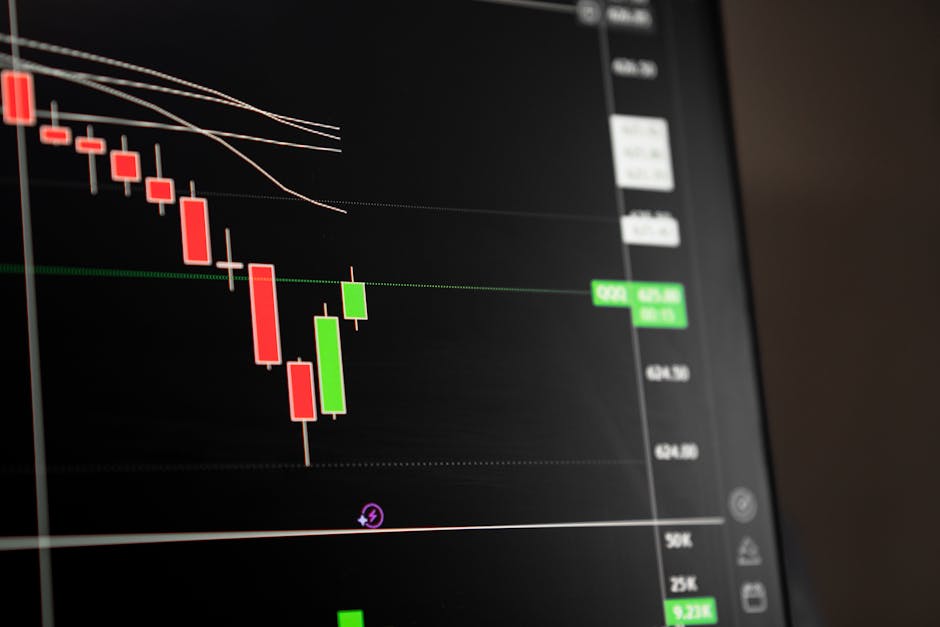
Recent data indicates a significant downturn in trading volume across decentralized derivatives platforms, a trend with multifaceted implications for the burgeoning DeFi ecosystem. This decline, observed across major protocols and asset classes, necessitates a deep dive into the underlying causes, the cascading effects on market liquidity and innovation, and potential future trajectories. Understanding this shift is crucial for investors, developers, and regulators seeking to navigate the evolving landscape of decentralized finance.
Several interconnected factors contribute to the observed reduction in chain derivatives trading volume. A primary driver is the broader macroeconomic climate, characterized by persistent inflation, rising interest rates, and geopolitical instability. These conditions have historically led to decreased risk appetite among investors, prompting a reallocation of capital away from speculative assets like cryptocurrencies and, by extension, their associated derivatives. When the overall market sentiment shifts towards caution, the demand for leveraged trading instruments, inherent to derivatives markets, naturally diminishes. Retail investors, often more sensitive to market volatility and economic uncertainty, tend to reduce their participation, impacting the high-frequency, smaller-denomination trades that collectively contribute substantial volume. This exodus, while not unique to DeFi derivatives, is amplified by the inherent leverage and perceived risk of these instruments within the crypto space.
Furthermore, the increasing regulatory scrutiny and uncertainty surrounding digital assets globally are playing a significant role. Governments worldwide are grappling with how to regulate DeFi, including derivatives. This ambiguity creates a chilling effect, making both institutional and sophisticated retail investors hesitant to engage with platforms whose legal standing and operational frameworks remain uncertain. The threat of future enforcement actions, potential bans, or stringent compliance requirements can deter participation, leading to a natural reduction in trading activity. Projects and users alike are adopting a wait-and-see approach, prioritizing capital preservation and compliance over aggressive trading strategies. This uncertainty extends to the very nature of decentralized exchanges and their ability to offer complex financial products, impacting their attractiveness compared to more established, regulated traditional finance markets.
Technical challenges and user experience issues on some chain derivatives platforms also contribute to the decline. While DeFi has made strides, the performance and scalability of certain blockchains can still be a bottleneck. High gas fees during periods of network congestion, slow transaction confirmation times, and complex onboarding processes can deter new users and frustrate existing ones. For derivatives trading, where rapid execution and low latency are often critical, these technical limitations can render platforms less competitive. Furthermore, the complexity of managing self-custody of assets, understanding smart contract risks, and navigating different platform interfaces can present a steep learning curve, particularly for those accustomed to the user-friendly interfaces of traditional brokerage accounts. A significant portion of trading volume is driven by active traders who prioritize efficiency and ease of use, and when these are compromised, volume is likely to suffer.
The maturation and integration of traditional finance (TradFi) derivatives markets also present a competitive challenge. As institutional capital begins to explore digital assets, many are looking for familiar and regulated avenues. The development of regulated futures and options products on traditional exchanges that are linked to cryptocurrency prices offers a more accessible and less risky entry point for many investors. These regulated products benefit from established infrastructure, robust investor protection mechanisms, and deep liquidity, making them a more appealing alternative for those who are cautious about the risks associated with purely decentralized platforms. The convergence of TradFi and DeFi, while a long-term positive, can lead to a short-to-medium term diversion of volume away from purely on-chain solutions.
Moreover, specific events within the crypto market itself have had a dampening effect. Major collapses of prominent DeFi projects or stablecoins, such as the Terra/Luna incident or the FTX bankruptcy, have severely eroded investor confidence. These events not only triggered significant price declines across the board but also exposed underlying vulnerabilities in risk management, smart contract security, and governance within the DeFi space. The fallout from these collapses leads to a general deleveraging of the market, as investors unwind positions and reduce their exposure to perceived high-risk assets and platforms. The subsequent loss of trust can take a considerable time to rebuild, impacting trading volume for months or even years.
The implications of this declining trading volume are far-reaching. Firstly, it directly impacts the revenue generation of DeFi derivatives protocols. Many of these platforms rely on trading fees and liquidation penalties as their primary income streams. Reduced volume means lower fee generation, which can strain the financial sustainability of these protocols, potentially leading to reduced development, marketing, and even operational challenges. This can hinder their ability to innovate and attract new talent, creating a vicious cycle.
Secondly, reduced trading volume often correlates with decreased market liquidity. As fewer participants actively trade, the bid-ask spreads widen, making it more expensive to enter and exit positions. This can disproportionately affect smaller trades and limit the ability of traders to execute large orders without significant price impact. For derivatives, where leverage amplifies price movements, illiquidity can lead to increased volatility and a greater risk of cascading liquidations. A lack of robust liquidity can also deter institutional participation, as they typically require deep markets to deploy substantial capital efficiently.
Thirdly, the decline in volume can stifle innovation. Developers and entrepreneurs are often incentivized by active and growing markets. If trading volume stagnates or declines, it can reduce the perceived opportunity and investment appeal, leading to a slowdown in the development of new products, features, and underlying technologies within the DeFi derivatives space. This could mean fewer novel trading strategies being explored, less sophisticated risk management tools being built, and a slower evolution of the overall DeFi ecosystem.
The future outlook for chain derivatives trading volume is contingent on several factors. A significant rebound would likely require a more favorable macroeconomic environment, characterized by lower inflation and a more stable interest rate regime, encouraging a return of risk appetite. Clearer and more consistent regulatory frameworks, providing certainty for both users and developers, are also essential for rebuilding confidence and attracting institutional capital. Positive regulatory developments, such as the introduction of well-defined licensing requirements and investor protection measures, could significantly boost participation.
Technological advancements that address scalability, reduce gas fees, and improve user experience will be critical for broader adoption. Layer-2 scaling solutions, sidechains, and further innovations in blockchain architecture are vital for making DeFi derivatives more accessible and competitive. Furthermore, a renewed focus on robust security audits, transparent governance mechanisms, and effective risk management practices by DeFi protocols themselves is paramount to restoring trust after past collapses. Protocols that can demonstrably prioritize user safety and regulatory compliance will likely attract more discerning participants.
The potential for a "flight to quality" within the DeFi derivatives space exists. As the market matures, users and investors may gravitate towards the most secure, transparent, and well-governed platforms, even if they are not the newest or offer the highest leverage. This could lead to a consolidation of volume among a few dominant protocols, while smaller or less robust projects may struggle to survive. The integration of DeFi with TradFi, rather than a complete replacement, may also shape the future. Hybrid models that leverage the innovation of DeFi with the regulatory certainty of TradFi could emerge, offering new avenues for derivatives trading.
Finally, the development of new and innovative derivative products tailored to specific market needs or emerging trends in the digital asset space could also stimulate trading volume. This could include derivatives on NFTs, metaverse assets, or other novel digital collectibles. The ability of DeFi protocols to adapt and offer unique, high-value products will be a key differentiator in attracting and retaining traders. In conclusion, the current decline in chain derivatives trading volume is a complex phenomenon driven by macroeconomic headwinds, regulatory uncertainty, technical limitations, competitive pressures, and a loss of investor confidence. Addressing these challenges through technological innovation, regulatory clarity, and a renewed commitment to security and transparency will be crucial for the sustained growth and evolution of the decentralized derivatives market. The path forward will likely involve a period of recalibration, with a focus on building a more resilient, user-friendly, and trust-worthy ecosystem.

