
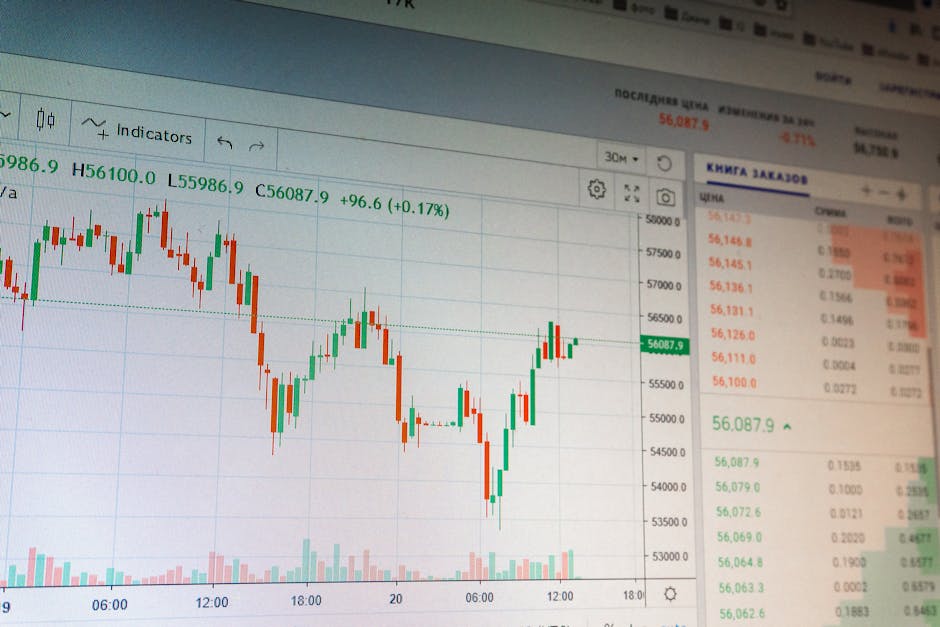
The Bitcoin ETF Surge: Navigating the Landscape for a 95,000 BTC Investment
The recent approval and subsequent performance of Bitcoin Exchange-Traded Funds (ETFs) have fundamentally altered the accessibility and perception of Bitcoin as an investment vehicle. This development presents a significant opportunity for large-scale investors, such as those looking to allocate 95,000 BTC, to gain exposure to the leading cryptocurrency through regulated and familiar financial instruments. Understanding the nuances of these ETFs, their impact on market dynamics, and the strategic considerations for such a substantial investment is paramount for success. This article delves into the core aspects of Bitcoin ETFs, focusing on their implications for acquiring significant Bitcoin holdings.
Bitcoin ETFs, particularly those approved in the United States in early 2024, represent a watershed moment for digital asset adoption within traditional finance. These financial products allow investors to buy shares of an ETF that holds actual Bitcoin, rather than directly purchasing and holding the cryptocurrency on an exchange. This structure offers several advantages, including simplified trading through brokerage accounts, reduced custodial risk, and regulatory oversight that appeals to institutional and high-net-worth investors. For an investor aiming to acquire approximately 95,000 BTC, which at current market valuations (subject to significant fluctuation) could represent hundreds of millions or even billions of dollars, utilizing Bitcoin ETFs offers a more streamlined and potentially less volatile path than direct market purchases. The sheer volume of 95,000 BTC necessitates a strategic approach to minimize market impact and ensure efficient execution.
The mechanism by which Bitcoin ETFs acquire and hold Bitcoin is crucial for understanding their operational efficiency. For spot Bitcoin ETFs, this typically involves authorized participants (APs) who create and redeem ETF shares. When demand for an ETF increases, APs will purchase the underlying Bitcoin on the open market and deliver it to the ETF issuer in exchange for new ETF shares. Conversely, when demand wanes, APs redeem ETF shares and receive the underlying Bitcoin, which they can then sell in the market. This creation/redemption process is designed to keep the ETF’s Net Asset Value (NAV) closely aligned with the price of Bitcoin. For an investor with a significant capital allocation like 95,000 BTC, the efficiency of this AP mechanism is a key consideration. It allows for large block trades to be absorbed into the ETF structure without necessarily causing immediate and drastic price spikes in the spot Bitcoin market, as the APs can manage the flow of physical Bitcoin.
The market impact of a 95,000 BTC investment through ETFs needs careful analysis. While ETFs can absorb large orders, a concentrated purchase of shares equivalent to this amount by a single entity or coordinated group could still influence the ETF’s price and, by extension, the underlying Bitcoin market. The liquidity of the specific ETF chosen becomes a critical factor. ETFs with higher trading volumes and larger AUM (Assets Under Management) are generally better equipped to handle substantial inflows without significant price slippage. Furthermore, the ongoing demand for Bitcoin ETFs from a broader investor base could create a sustained upward pressure on Bitcoin’s price, potentially benefiting a large holder looking to enter the market. The decision to deploy capital into ETFs should be part of a broader market strategy, considering not only the entry point but also the potential for ongoing appreciation.
Several types of Bitcoin ETFs exist, though the most impactful for large-scale investors are typically spot Bitcoin ETFs. Futures-based Bitcoin ETFs, which track the price of Bitcoin through futures contracts, were available earlier but often exhibited higher tracking error and management fees. Spot Bitcoin ETFs, by holding physical Bitcoin, offer a more direct correlation to the spot price. For a 95,000 BTC acquisition, the direct holding of spot Bitcoin within the ETF is generally preferred for its accuracy and cost-effectiveness in the long run. Investors must research the specific ETF issuer, its track record, management fees, and the custodian holding the underlying Bitcoin. The security and reliability of the custodian are paramount when dealing with such a significant amount of digital assets, even if held indirectly.
The regulatory environment surrounding Bitcoin ETFs is a significant draw for investors seeking to deploy substantial capital. The approval by major regulatory bodies signifies a level of legitimacy and investor protection that was previously lacking for direct Bitcoin investment. This regulatory clarity reduces perceived risk and makes it easier for traditional financial institutions and large funds to allocate capital. For an investor managing 95,000 BTC, operating within a regulated framework provides a layer of comfort and compliance that is often a prerequisite for large financial decisions. This also means that the ETF is subject to ongoing scrutiny, which can help prevent manipulative practices and enhance market integrity.
The operational considerations for a 95,000 BTC investment via ETFs are multifaceted. Firstly, the choice of brokerage platform is critical. High-net-worth individuals and institutions often utilize specialized prime brokerage services that can facilitate large block trades, negotiate fees, and provide dedicated support. These platforms are equipped to handle the complexities of executing large orders across multiple ETFs or within a single high-liquidity ETF. Secondly, the timing of the investment is crucial. Market volatility in Bitcoin is well-documented. A phased approach to acquiring the desired ETF shares, potentially dollar-cost averaging (DCA) over a period, can help mitigate the risk of entering the market at a price peak. This strategy is particularly relevant for such a substantial investment, allowing for accumulation without causing excessive market disruption.
The tax implications of investing in Bitcoin ETFs are also an important consideration. While ETFs offer a more familiar tax reporting structure than direct crypto holdings, the specific tax treatment can vary by jurisdiction. Investors must consult with tax professionals to understand capital gains taxes, reporting requirements, and any potential tax advantages or disadvantages associated with their chosen ETF and investment strategy. For a 95,000 BTC allocation, the tax consequences can be substantial, making proactive tax planning essential.
The long-term outlook for Bitcoin ETFs and their impact on Bitcoin’s price discovery is a subject of ongoing debate and observation. With increased institutional adoption facilitated by ETFs, the demand for Bitcoin is expected to grow. This sustained demand, coupled with the finite supply of Bitcoin, suggests a potential for significant price appreciation over time. For an investor looking to acquire 95,000 BTC, the ETF structure allows them to benefit from this potential upside while managing the inherent risks of the cryptocurrency market. The ease of access provided by ETFs also broadens the investor base, potentially leading to greater price stability and reduced volatility in the long run, although short-term fluctuations will undoubtedly persist.
In conclusion, the advent of Bitcoin ETFs has democratized access to Bitcoin for a wider range of investors, including those with substantial capital seeking to acquire significant amounts like 95,000 BTC. These regulated vehicles offer a more accessible, secure, and familiar pathway into the cryptocurrency market. Strategic considerations for such a large investment involve selecting high-liquidity spot Bitcoin ETFs, understanding their underlying mechanisms, partnering with appropriate financial and tax advisors, and implementing a carefully timed investment strategy to mitigate market impact and maximize potential returns. The ongoing evolution of the Bitcoin ETF landscape suggests a future where digital assets are more deeply integrated into traditional investment portfolios, making the acquisition of substantial Bitcoin holdings through these instruments an increasingly viable and strategic option.
