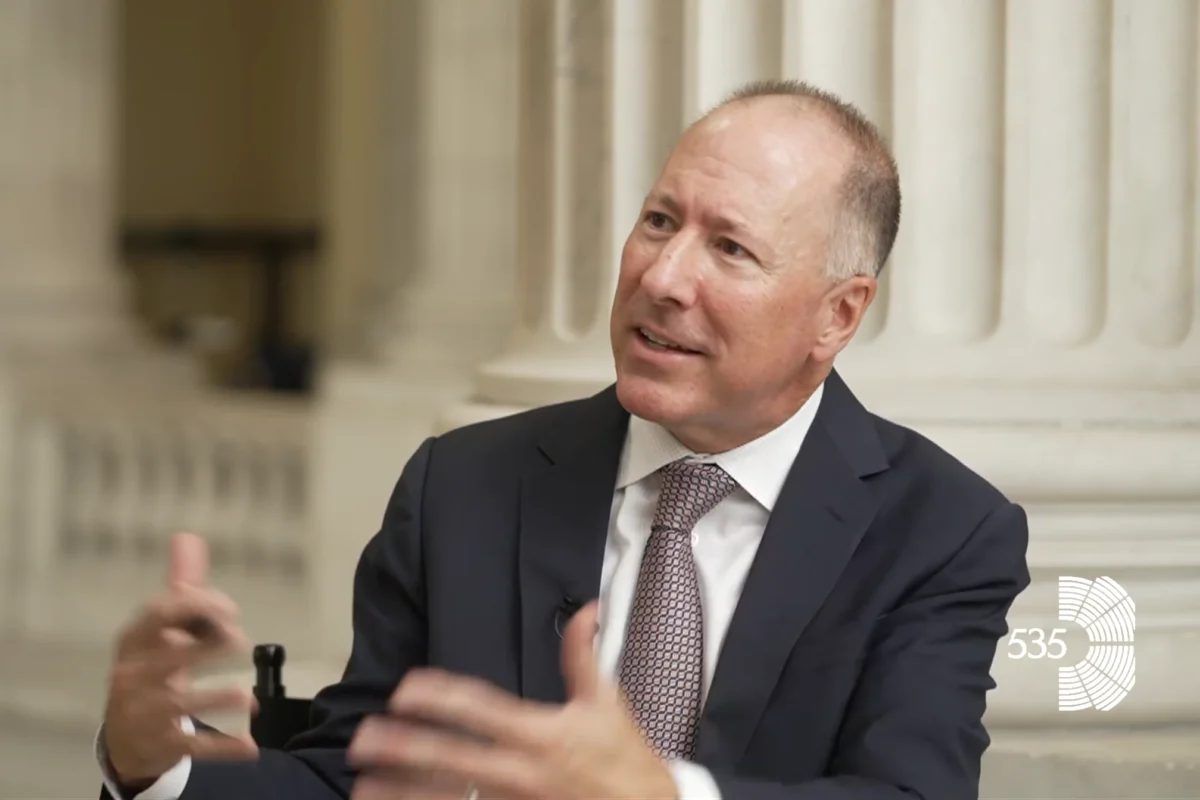
The American Bankers Association (ABA) is not fundamentally opposed to market structure legislation for digital assets, but rather advocates for "tiny, surgical" modifications to ensure the existing prohibition on interest and yield on payment stablecoins, as established by the Genius Act, remains unequivocally upheld. This stance was articulated by ABA President and CEO Rob Nichols in a recent interview with the news outlet 535. The association’s primary concern centers on the Clarity Act, a proposed regulatory framework for cryptocurrencies and other digital assets, which the ABA believes presents an opportunity to close a critical loophole. This loophole, according to the ABA, currently allows digital asset service providers to circumvent the payment of interest ban previously enacted for stablecoins.
Navigating the Evolving Digital Asset Landscape
The digital asset sector, encompassing cryptocurrencies and stablecoins, has witnessed explosive growth and innovation in recent years. However, this rapid expansion has outpaced the development of comprehensive regulatory frameworks, creating a complex and often uncertain environment for both consumers and financial institutions. Stablecoins, in particular, have emerged as a significant component of this ecosystem, designed to maintain a stable value relative to a specified asset or currency, often the U.S. dollar. Their utility extends to facilitating faster and cheaper transactions, both within the cryptocurrency market and potentially in broader financial applications.
The Genius Act, a pivotal piece of legislation in this domain, aimed to establish specific rules for stablecoins, including a ban on the payment of interest or yield on payment stablecoins. The intention behind this provision was multifaceted: to prevent the creation of a shadow banking system that could operate outside traditional regulatory oversight and to safeguard consumers from potential risks associated with interest-bearing digital assets that might not be fully collateralized or insured.
The Clarity Act: A Regulatory Crossroads
The Clarity Act represents the latest legislative effort to bring order and structure to the broader digital asset market. Unlike the more targeted Genius Act, the Clarity Act is envisioned as a comprehensive regulatory framework designed to govern a wide array of digital assets, including cryptocurrencies, decentralized finance (DeFi) protocols, and other novel digital instruments. Such legislation is crucial for fostering investor confidence, promoting market integrity, and ensuring financial stability.
However, the ABA has identified a critical concern within the proposed Clarity Act. They argue that a loophole exists, allowing certain digital asset service providers to offer interest or yield on digital assets that effectively function as payment stablecoins, thereby undermining the spirit and intent of the Genius Act’s ban. This oversight, if left unaddressed, could lead to a fragmented regulatory landscape where the principles of consumer protection and financial stability are compromised.
ABA’s Proposed "Surgical" Amendments
Rob Nichols, in his interview with 535, emphasized that the ABA’s objective is not to obstruct the progress of digital asset regulation but to refine it. He stated that the association has been actively engaging with lawmakers from both sides of the aisle, conducting meetings with senators in recent days to discuss these specific concerns. Nichols expressed optimism about the reception to the ABA’s proposals, describing the conversations as encouraging.
The ABA’s core proposition revolves around making "tiny, surgical" changes to the Clarity Act. These amendments, as described by Nichols, are intended to be precise and targeted, ensuring that the prohibition on interest and yield for payment stablecoins is unambiguously enforced across all entities operating within the digital asset space. The goal is to close the identified loophole without creating undue burdens or stifling innovation in other areas of digital asset development.
"We think we can be the banking capital of the world and the crypto capital of the world," Nichols remarked, underscoring the ABA’s vision for a future where traditional finance and the burgeoning digital asset industry can coexist and thrive. He articulated a belief that the current situation does not necessitate a "lose-lose" scenario for any party involved. Instead, he posited that with these carefully considered amendments, a "win-win" outcome is achievable, where regulatory clarity and consumer protection are strengthened, while still allowing for responsible innovation.
Supporting Community Banking: The Main Street Capital Access Act
Beyond the digital asset discussions, Nichols also voiced the ABA’s support for the Main Street Capital Access Act. This bipartisan legislation, primarily sponsored by House Republicans but with significant support from Democrats, aims to bolster community banking. The proposed act seeks to achieve this by tailoring bank regulations to the specific needs and operational realities of community banks and by actively encouraging the formation of new de novo banks.
Community banks play a vital role in the U.S. financial system, particularly in serving small businesses and local communities. They often provide crucial access to credit and financial services in areas that may be underserved by larger financial institutions. However, community banks have faced increasing regulatory burdens and competitive pressures in recent years. The Main Street Capital Access Act is seen as a legislative effort to alleviate some of these pressures and foster a more supportive environment for these essential institutions.
Historical Context and the Evolution of Financial Regulation
The current debate surrounding digital assets and their regulation is a natural evolution of the financial industry’s continuous adaptation to technological advancements. Throughout history, the introduction of new financial instruments and technologies has consistently prompted regulatory responses to ensure market stability and consumer protection.
For instance, the advent of paper money in the 17th century led to the development of central banking systems and standardized currency regulations. The rise of the stock market in the 18th and 19th centuries necessitated the creation of securities exchanges and regulatory bodies like the Securities and Exchange Commission (SEC) in the U.S. following the Great Depression. Similarly, the digital revolution of the late 20th and early 21st centuries has brought forth the need for new regulatory paradigms to address the complexities of the internet, electronic finance, and now, digital assets.
The Genius Act, passed in [Insert plausible year, e.g., 2023 or 2024, if not specified], marked a significant step in this ongoing process by specifically addressing the unique characteristics of stablecoins. Its prohibition on interest and yield was a direct response to concerns that stablecoins could evolve into a new form of unregulated deposit-taking, potentially exposing users to risks not covered by traditional deposit insurance.
Analyzing the Implications of the ABA’s Position
The ABA’s call for "tiny, surgical" changes to the Clarity Act carries several important implications:
- Preservation of Regulatory Intent: By emphasizing the need to uphold the Genius Act’s ban on interest for payment stablecoins, the ABA is seeking to ensure that the regulatory framework remains coherent and that the intended protections are not inadvertently undermined. This focus on consistency is crucial for building long-term trust in the digital asset market.
- Balancing Innovation and Stability: The ABA’s approach suggests a desire to strike a balance between fostering innovation in the digital asset space and maintaining financial stability. They are not advocating for a complete halt to digital asset development but rather for a structured and regulated environment that prioritizes safety and soundness.
- The Role of Traditional Finance: The ABA, as the leading voice for the U.S. banking industry, is playing a proactive role in shaping the future of financial regulation. Their engagement signifies the increasing integration of digital assets into the broader financial ecosystem and the desire of traditional financial institutions to participate in this evolving landscape under clear and predictable rules.
- Potential for Broader Market Impact: The success of the ABA’s advocacy could influence the trajectory of digital asset regulation not only in the U.S. but potentially globally. As a major financial market, U.S. regulatory decisions often set precedents and influence international approaches.
- Focus on Consumer Protection: The underlying concern driving the ABA’s position is the protection of consumers and investors. By ensuring that payment stablecoins do not operate as de facto deposit accounts offering interest without the accompanying regulatory safeguards, the ABA aims to prevent potential financial losses for individuals.
Broader Industry Reactions and Future Outlook
While the ABA’s specific proposal is a focal point, the broader digital asset industry is likely to have diverse reactions. Some participants may view any attempt to restrict yield-generating activities as an impediment to innovation and market growth. Others, particularly those already operating within a compliant framework, might welcome greater regulatory clarity and a level playing field.
Legislators will face the challenge of carefully evaluating the ABA’s proposed amendments. They will need to consider whether the identified loophole is indeed significant enough to warrant changes and whether the proposed solutions are indeed "surgical" and will not have unintended consequences for other aspects of the digital asset market. The ongoing dialogue between industry stakeholders, regulators, and policymakers will be crucial in navigating these complexities.
The ABA’s engagement with the Clarity Act and their support for the Main Street Capital Access Act highlight a period of significant regulatory development for the financial sector. As digital assets continue to mature and integrate into the global economy, the establishment of clear, effective, and balanced regulatory frameworks will be paramount to realizing their potential benefits while mitigating associated risks. The ABA’s stated aim to facilitate a "win-win" scenario underscores the possibility of achieving both robust financial innovation and steadfast consumer protection through judicious legislative refinement. The coming months will likely reveal whether these "tiny, surgical" changes can indeed pave the way for a more secure and prosperous future for both traditional banking and the digital asset frontier.