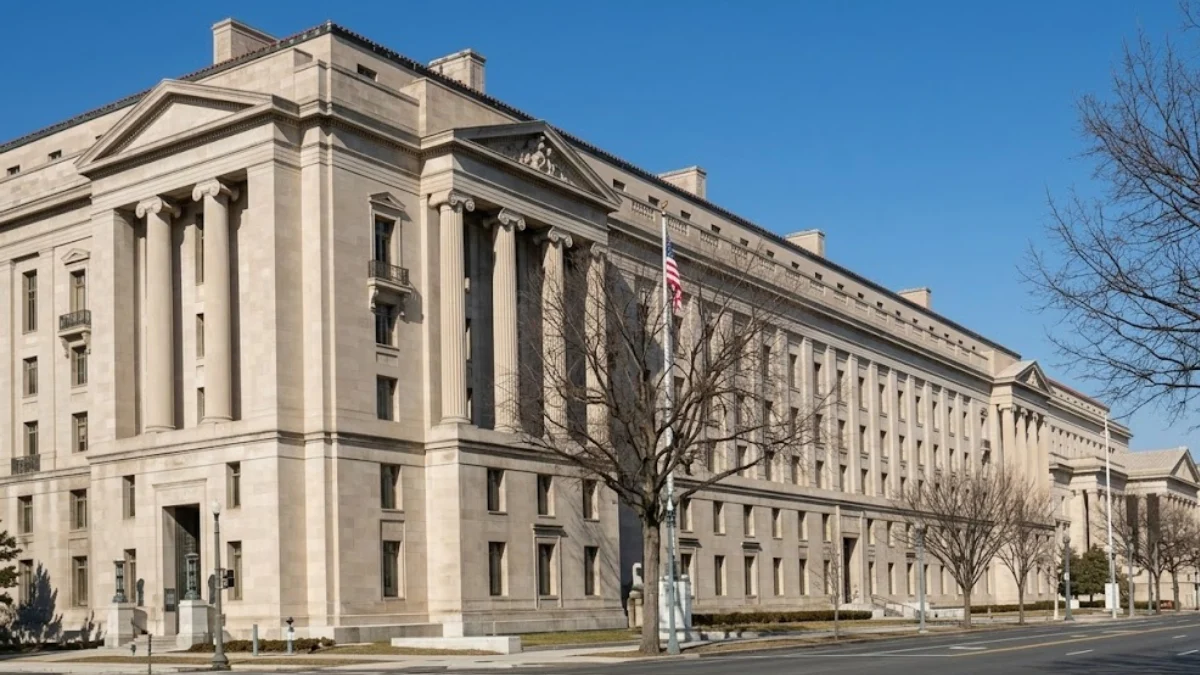
In a significant move to combat healthcare fraud stemming from the global pandemic, the United States Department of Justice has reached a multimillion-dollar settlement with the owners and investors of a Dallas-based clinical laboratory. Magnolia Diagnostics, along with its owners John Bains and Kelly Bains, has agreed to pay $19.2 million to resolve allegations that they violated the False Claims Act. The allegations center on the laboratory’s practice of billing Medicare for medically unnecessary respiratory pathogen panel (RPP) testing performed on senior citizens who were primarily seeking routine COVID-19 tests. In a notable expansion of accountability, the laboratory’s investors will pay an additional $4.8 million to resolve common law claims for unjust enrichment and payment by mistake, as well as claims under the Federal Debt Collection Procedures Act related to distributions they received from the company’s allegedly ill-gotten gains.
This settlement marks one of the most substantial resolutions involving COVID-11-related laboratory fraud in the North Texas region. It underscores a growing trend in federal enforcement: the pursuit of not only the corporate entities and their direct operators but also the financial backers who benefit from fraudulent schemes. The total recovery of $24 million reflects the federal government’s determination to recoup taxpayer funds diverted through exploitative billing practices during a national public health emergency.
The Mechanics of the Alleged Fraudulent Scheme
The core of the government’s case involves the exploitation of the high demand for COVID-19 testing that began in early 2020. According to the United States’ allegations, John and Kelly Bains, operating through Magnolia Diagnostics, devised a strategic protocol to maximize revenue by bundling expensive, non-essential tests with standard COVID-19 screenings. Starting in April 2020, as nursing homes and senior living communities struggled to manage the burgeoning pandemic, Magnolia allegedly required these facilities to obtain comprehensive RPP tests for their residents alongside COVID-19 tests.
An RPP is a sophisticated multiplex molecular test designed to detect a broad spectrum of viral and bacterial pathogens simultaneously. While clinically valuable for symptomatic patients in specific diagnostic contexts, RPPs are significantly more expensive than standalone COVID-19 tests. The government alleges that Magnolia Diagnostics bypassed the requirement for individualized clinical assessments by using prepopulated requisition forms. These forms were pre-checked for RPP testing and included associated diagnosis codes before any physician had evaluated the specific medical needs of the individual residents.
By utilizing these "standing orders" or "blanket authorizations," Magnolia was able to perform and bill for thousands of RPP tests on specimens collected during community-wide COVID-19 screenings. This practice effectively ignored the fundamental Medicare requirement that diagnostic tests must be "reasonable and necessary" for the diagnosis or treatment of an illness or injury in a specific patient.
Coercion and Document Alteration Allegations
The investigation revealed that the alleged misconduct went beyond mere administrative "upcoding" or bundling. The United States claims that Magnolia Diagnostics continued to perform and bill for RPPs even after healthcare providers and senior living communities explicitly requested COVID-19 testing only. In many instances, facility administrators and medical staff questioned the medical necessity or clinical value of the broad panels, or stated clearly that they had not authorized such extensive testing.
When met with resistance, John Bains allegedly employed coercive tactics. The government asserts that Bains threatened to withhold essential COVID-19 testing services from senior living communities that refused to accept the RPP testing protocol. During a time when rapid testing was a matter of life and death for vulnerable elderly populations, such threats placed facility operators in an impossible position, forcing them to accept unnecessary testing to maintain access to pandemic-related diagnostics.
Furthermore, the allegations include instances of document forgery and alteration. In at least two documented cases, John Bains is alleged to have altered requisition forms signed by providers. These alterations were intended to expand the apparent scope of the provider’s authorization, allowing Magnolia to use a single signature to justify RPP testing across multiple facilities or chains of communities that were not covered by the original authorization.
Delays in Testing and Clinical Irrelevance
A particularly egregious aspect of the allegations involves the handling of biological specimens. To maintain the high volume of billing, Magnolia Diagnostics allegedly froze and stored thousands of respiratory specimens for extended periods—sometimes for weeks or even months. These specimens were eventually thawed and processed for RPP testing long after the results could have provided any meaningful clinical utility.
In the context of respiratory infections, diagnostic results are critical for informing timely treatment, isolation protocols, and infection-control decisions. By generating RPP results months after the initial collection, Magnolia ensured its own financial gain while providing data that was functionally useless for patient care. This delay further highlighted the laboratory’s alleged "reckless disregard" for beneficiary well-being and the clinical integrity of the Medicare program.
Accountability for Investors and Financial Backers
The settlement is noteworthy for its inclusion of Magnolia’s investors. While John and Kelly Bains bore the primary responsibility for directing the laboratory’s operations, the $4.8 million portion of the settlement addresses the "unjust enrichment" of those who provided the capital for the business. Under the Federal Debt Collection Procedures Act, the government sought to recover distributions made to investors that were derived from the proceeds of the allegedly fraudulent Medicare claims.
This aspect of the settlement serves as a warning to private equity firms and individual investors in the healthcare sector. Federal authorities are increasingly looking past the corporate veil to ensure that those who profit from healthcare fraud are held financially responsible, regardless of whether they were involved in the day-to-day management of the fraudulent activities.
Official Statements and Government Response
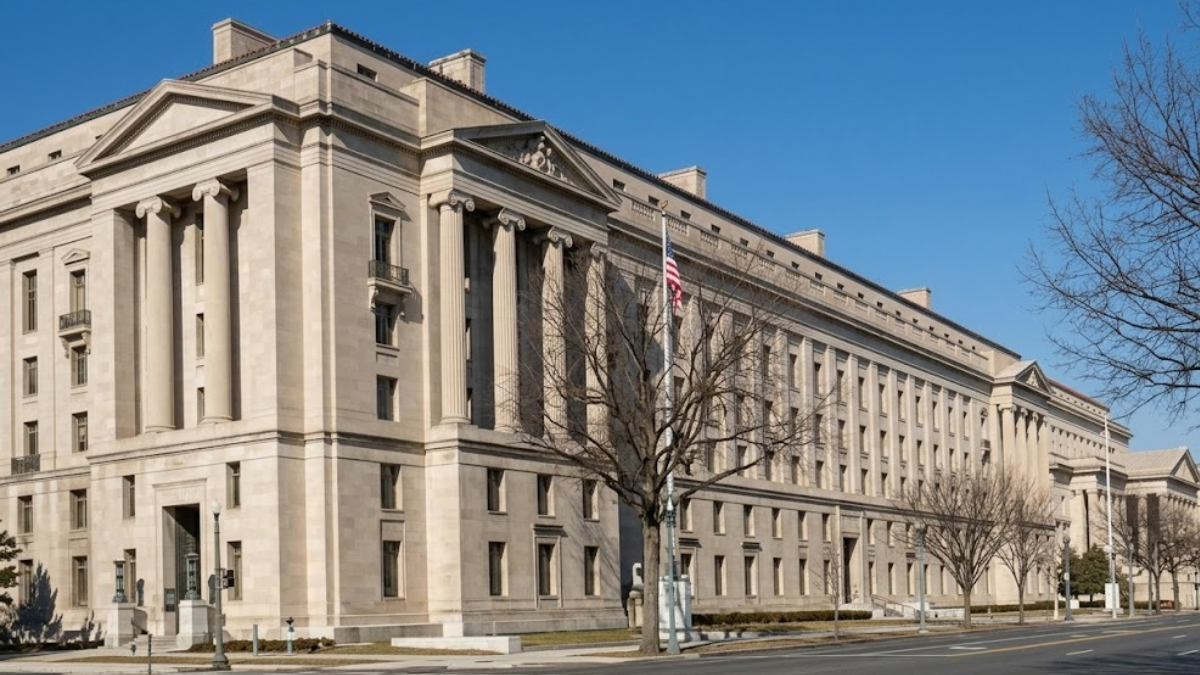
The resolution of this case was the result of a coordinated effort between the Justice Department’s Civil Division, the U.S. Attorney’s Office for the Northern District of Texas, and the Department of Health and Human Services Office of Inspector General (HHS-OIG).
"The Justice Department is committed to protecting taxpayer-funded programs and holding accountable those who exploit them," stated Assistant Attorney General Brett A. Shumate of the Civil Division. "We will pursue not only companies that submit false claims and the owners who direct the misconduct, but also investors who receive and retain its financial benefits—especially when vulnerable Americans are exploited for profit."
U.S. Attorney Ryan Raybould for the Northern District of Texas emphasized the importance of civil settlements in recovering public funds. "My office is committed to tackling healthcare fraud through the use of all available tools, both through criminal prosecutions and, as here, civil investigations," Raybould said. "Too many of our healthcare dollars are lost to fraud, waste, and abuse, but civil settlements like this one help recover valuable healthcare dollars for the American taxpayer."
Acting Deputy Inspector General for Investigations Scott J. Lampert of the HHS-OIG highlighted the ethical breach represented by the lab’s actions. "Protecting seniors and safeguarding Medicare are core to our mission. As alleged, Magnolia Diagnostics showed reckless disregard for medical necessity, beneficiary well-being, and the law—all to boost its profits during a national public health emergency."
Context: The Rise of COVID-19 Laboratory Fraud
The Magnolia Diagnostics case is part of a broader federal crackdown on pandemic-related healthcare fraud. Since the onset of COVID-19, the DOJ has identified a recurring pattern of laboratories using the pandemic as a "hook" to bill for unrelated and expensive genetic or respiratory tests.
In typical schemes, laboratories offer "free" COVID-19 testing to senior centers, low-income housing, or through telemarketing. Once they obtain a patient’s insurance information and a biological sample, they run a battery of tests—such as RPPs, genetic cancer screenings (CGx), or pharmacogenetic testing (PGx)—that the patient does not need and the doctor did not order.
The False Claims Act remains the primary tool for the government to recover these funds. Under the FCA, individuals or entities that knowingly submit false claims to the government are liable for triple damages plus significant per-claim penalties. The Magnolia settlement, while substantial, represents a negotiated resolution to avoid the costs and uncertainties of protracted litigation.
Broader Impact and Industry Implications
The $24 million settlement sends a clear signal to the clinical laboratory industry. The era of "emergency" flexibility regarding COVID-19 testing has ended, and the DOJ is now in a period of intense retrospective auditing. Laboratories that utilized prepopulated forms, standing orders, or bundled testing protocols during the 2020–2021 period are under increased scrutiny.
For healthcare providers and facility administrators, the case serves as a reminder of the importance of maintaining strict oversight of laboratory partnerships. The allegation that Magnolia altered forms and ignored requests for limited testing highlights the need for facilities to verify that the services billed to Medicare align precisely with the clinical orders issued by their medical staff.
Furthermore, the focus on "medical necessity" remains the cornerstone of Medicare enforcement. As diagnostic technology becomes more advanced and "panels" become more comprehensive, the burden remains on the laboratory and the ordering physician to demonstrate that every component of a test is required for the specific care of the patient.
Looking Forward: Continued Enforcement
The investigation into Magnolia Diagnostics was supported by the Task Force to Eliminate Fraud and the National Fraud Enforcement Division. These entities were established to enhance the government’s ability to detect and prosecute the exploitation of federal programs. As the federal government continues to process the trillions of dollars in pandemic-related spending, more settlements and indictments are expected to follow.
The Department of Health and Human Services continues to encourage whistleblowers and concerned citizens to report potential fraud, waste, or abuse. Tips can be submitted through the HHS-OIG website or via their dedicated fraud hotline. In many False Claims Act cases, "relators" or whistleblowers who report fraud are entitled to a percentage of the recovered funds, providing a powerful incentive for employees and industry insiders to come forward when they witness systemic overbilling or clinical misconduct.
The resolution of the Magnolia Diagnostics case stands as a testament to the government’s enduring commitment to preserving the integrity of Medicare and ensuring that public health crises are not used as a veil for corporate greed. By holding both owners and investors accountable, the DOJ has reinforced the principle that the pursuit of profit must never supersede the mandate for honest dealing and patient-centered care.