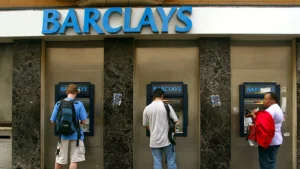
While fintech innovators like Current and Chime have embraced influencer marketing to expand their reach, traditional financial institutions (FIs) have largely shied away from this burgeoning sector. This reluctance highlights a significant disconnect in understanding the creator economy, a vibrant and rapidly expanding demographic that is increasingly seeking financial stability through their online endeavors. Research from Mastercard indicates that a substantial 78% of individuals report that being a creator contributes to their financial well-being, underscoring the economic significance of this demographic. Despite this, the financial products available to creators remain scarce, often failing to address the unique challenges and opportunities inherent in their work, representing a missed opportunity for FIs to tap into a financially motivated and underserved customer base.
The creator economy, characterized by its low barrier to entry and diverse income streams, presents a complex yet potentially lucrative market for financial services. Creators, much like traditional small and medium-sized businesses (SMBs), require robust tools to manage their operations, streamline payments, and achieve financial stability. While established banks offer a suite of products for SMBs, the specific nuances of the creator economy—such as the unpredictability of payment cycles and the multifaceted nature of income—demand a more tailored and dedicated strategic approach that many FIs have yet to develop.
The Hesitation of Traditional Financial Institutions
The very characteristics that define creators as distinct from conventional SMBs also present significant hurdles for traditional banks in developing suitable financial products. This inherent complexity has contributed to their reticence in engaging with this segment.
Misfitting Traditional Banking Models
A primary reason for the traditional banking sector’s hesitation lies in the inherent instability of creator income streams. As Tachat Igityan, CFO and Founder of destream, a financial platform specifically designed for content creators, explains, "Traditional banks are not engaged in building products for creators due to the instability of creators’ income streams. Banking business models are generally built around servicing ‘stable’ customers, such as salaried employees or established businesses. They may view creators as higher-risk clients because it is difficult to apply traditional financial models like credit scoring, lending, and financial planning to them."
This reliance on predictable income patterns makes it challenging for banks to apply standard financial metrics like credit scoring, loan underwriting, and even long-term financial planning. The volatile nature of revenue from brand deals, ad revenue fluctuations, affiliate marketing, and direct fan support often falls outside the scope of traditional financial assessment, leading to a perception of higher risk. This risk aversion, rooted in established banking practices, creates a barrier to entry for creators seeking essential financial services.

The Challenge of Diverse Creator Needs
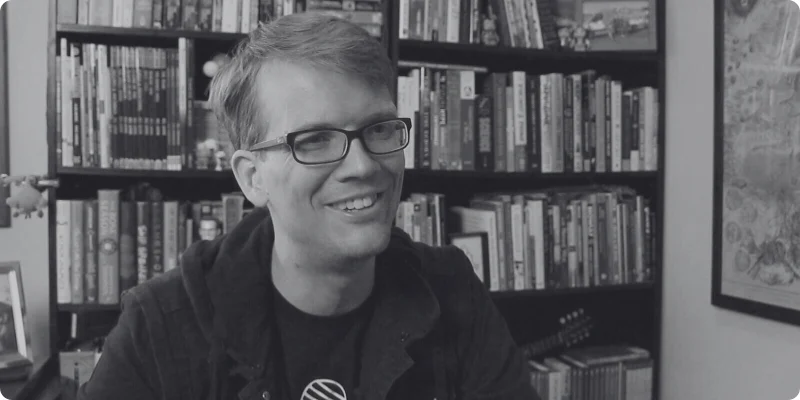
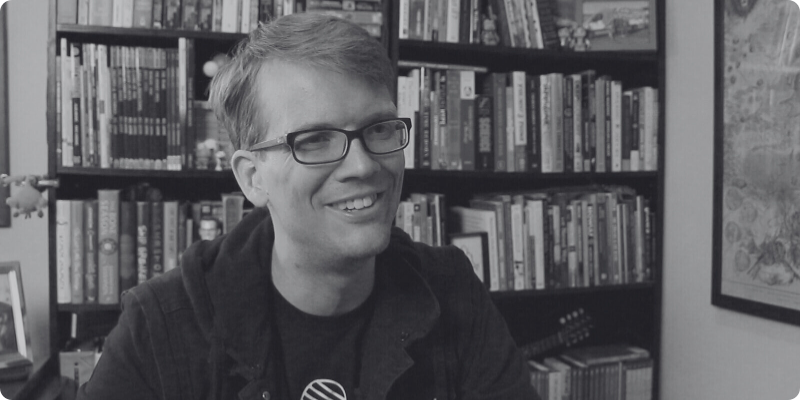
The inherent diversity within the creator economy further complicates the development of one-size-fits-all financial solutions. Hank Green, a prominent YouTuber, author, and founder of Subbable (a crowdfunding platform later acquired by Patreon), has firsthand experience with this challenge. He has observed the difficulty in creating scalable products for such a varied audience.
"Creators are so diverse in their needs that, to create a product that is scalable – and that doesn’t cost a ton of money trying to individualize itself for each individual creator – you end up creating a bad product," Green stated, reflecting on the complexities of serving this segment. This sentiment underscores the delicate balance required: a product must be broad enough to appeal to a wide range of creators but specific enough to address their unique financial workflows. The cost and complexity of individualizing services for each creator can quickly become prohibitive, leading to a market gap where no single product effectively meets the collective demand.
The Overarching Influence of Digital Platforms
Adding another layer of complexity is the profound influence that social media platforms exert over the financial lives of content creators. Even for highly established and experienced creators like Hank Green, understanding their precise earnings can be a challenge. Green has publicly shared his frustrations with platform-specific payment tracking: "It’d be nice if I knew how much money I made. I have no idea, it hasn’t updated since January. It’s broken. It thinks I’m British. It’s paying me in pounds," he remarked earlier this year, illustrating the opacity and occasional unreliability of revenue reporting from major digital platforms.
This lack of transparency from the platforms themselves creates significant hurdles for creators in accurately forecasting income, managing cash flow, and making informed financial decisions. For financial institutions, this reliance on third-party data introduces an element of uncertainty, making it harder to provide reliable financial advice or integrate with creator income streams seamlessly. The power held by these platforms in dictating payment schedules, commission rates, and even currency of payment, means that creators are often at the mercy of systems that are not designed with their financial well-being as a primary concern.
The Urgent Need for Financial Innovation in the Creator Economy
Given that financial motivation is a significant driver for individuals entering the creator economy, the current scarcity of tailored financial products directly impedes their ability to fully benefit from their creative endeavors. At the core of this issue lie payment systems, which are often cumbersome, inconsistent, and ill-suited to the dynamic nature of creator income.
The creator economy, which has seen explosive growth over the past decade, is projected to continue its upward trajectory. Industry reports estimate the global creator economy to be valued at over $100 billion, with projections indicating further substantial growth in the coming years. This expansion is fueled by individuals leveraging digital platforms to monetize their content, expertise, and influence, creating new avenues for entrepreneurship and income generation. However, without robust financial infrastructure, the full potential of this economic engine remains constrained.

The Payment Conundrum
Creators often juggle multiple revenue streams, including advertising revenue from platforms like YouTube, direct payments from subscribers on platforms such as Patreon or Substack, brand sponsorships and collaborations, affiliate marketing commissions, and sales of merchandise or digital products. Each of these revenue sources has its own payment cycle, threshold, and processing fees, leading to a fragmented and often delayed influx of funds.
For instance, YouTube’s AdSense program has a payment threshold of $100 and typically pays out around the 21st of the month for the previous month’s earnings. Patreon’s payout schedule can be customized by creators, but often involves monthly billing cycles. Brand deals can involve lengthy invoicing and payment terms, sometimes spanning 30 to 90 days or even longer. Affiliate marketing programs, such as Amazon Associates, have their own payout schedules and minimum thresholds. This complex web of payment schedules and varying payout speeds can create significant cash flow challenges, making it difficult for creators to budget, invest, or even cover their personal expenses consistently.
Beyond Payments: A Holistic Financial Ecosystem
The need for financial products extends far beyond just facilitating payments. Creators often require:
- Business Banking Solutions: Dedicated business accounts that can handle diverse income streams, allow for easy expense tracking, and facilitate tax preparation. Traditional business accounts may not adequately cater to the unique reporting needs of creators, such as separating income from various platforms or tracking expenses related to content creation (equipment, software, travel, etc.).
- Tax Management Tools: Creators often face complex tax obligations, especially with international income and varying tax regulations. Solutions that simplify tax estimation, deduction tracking, and quarterly tax payments are crucial. The lack of clear guidance and readily available tools can lead to significant tax liabilities and penalties.
- Lending and Credit Solutions: Given the fluctuating income, traditional lending models are often inaccessible. Creators who wish to scale their operations, invest in better equipment, or even purchase a home may struggle to secure loans. Innovative credit scoring models that consider alternative data, such as consistent engagement metrics or a history of successful brand partnerships, could open up new avenues for credit access.
- Investment and Savings Products: Creators, like any other segment of the population, need tools to save for the future, invest for long-term growth, and plan for retirement. Products that understand the irregular income patterns and offer flexible contribution options would be highly beneficial.
- Insurance: Coverage for business interruption, equipment damage, or liability related to their content creation activities can be essential but is often overlooked or unavailable.
The Rise of Specialized Fintech Solutions
In response to these unmet needs, a wave of specialized fintech companies has emerged, directly targeting the creator economy. Platforms like destream, StreamElements, and Koji are developing integrated solutions that offer a more holistic financial experience for creators. These platforms often combine payment processing, analytics, royalty management, and even business formation services.
For example, StreamElements offers tools for streamers to manage donations, subscriptions, and sponsorships, providing a consolidated dashboard for revenue tracking. Koji offers a "super app" model, allowing creators to build and monetize mini-apps directly on their social media profiles, streamlining various aspects of their online business. These fintechs are demonstrating that by focusing on the specific pain points of creators, they can build valuable and sticky products.
The Strategic Imperative for Traditional FIs
The current landscape presents a clear strategic imperative for traditional financial institutions. By failing to adapt, they risk ceding a significant and growing market segment to agile fintech competitors. The creator economy is not a niche market; it represents the future of small business and independent work for a substantial portion of the global population.
Bridging the Knowledge Gap
The first step for traditional FIs is to invest in understanding the creator economy. This involves:
- Market Research: Deep dives into the demographics, financial behaviors, and pain points of creators across various platforms and niches.
- Partnerships: Collaborating with creator platforms, agencies, and influential creators themselves to gain insights and co-create solutions.
- Internal Training: Educating banking staff on the unique aspects of the creator economy to foster better client relationships and service offerings.
Developing Tailored Product Suites
Once the knowledge gap is addressed, FIs can begin developing a suite of products designed for creators. This could include:
- Creator-Specific Business Accounts: Features like automated expense categorization for content creation, simplified invoicing tools, and integration with popular creator platforms for direct fund reconciliation.
- Dynamic Payment Solutions: Products that can accommodate variable payment schedules, offer faster payout options, and potentially provide short-term working capital based on predictable revenue patterns rather than solely on traditional credit history.
- Tax Automation and Planning Tools: Integrated software that helps creators estimate taxes, track deductions, and manage payments, potentially partnering with tax preparation services.
- Flexible Lending Products: Developing alternative credit assessment models that consider factors beyond traditional income stability, such as platform engagement, audience growth, and brand partnership history.
The Long-Term Vision
The long-term implication of FIs embracing the creator economy is profound. By providing the necessary financial infrastructure, traditional banks can empower creators to achieve greater financial stability, scale their businesses more effectively, and contribute more significantly to the overall economy. This not only benefits the creators but also positions the FIs as essential partners in the growth of this dynamic sector, fostering loyalty and driving new revenue streams. The window of opportunity for traditional institutions to capture this market is now; delaying further risks permanent disintermediation by more agile and attuned competitors. The creator economy is not a trend to be watched from the sidelines, but a fundamental shift in how individuals earn and manage their money, demanding a proactive and innovative response from the financial sector.