
Beyond Fungible: Unpacking the Outperformance of Top NFT Collections
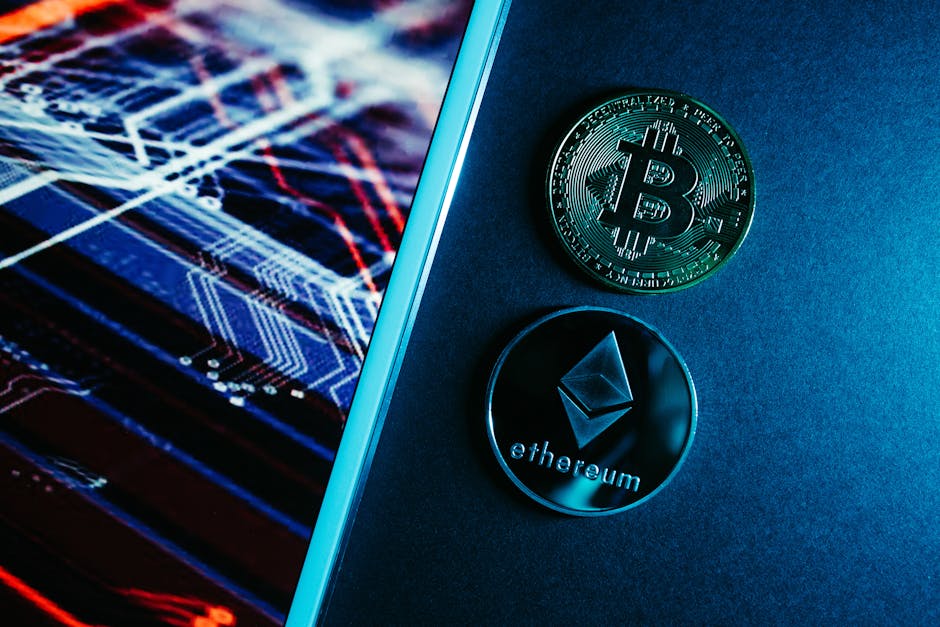
The digital asset landscape is in a constant state of evolution, and within this dynamic arena, Non-Fungible Tokens (NFTs) have carved out a distinct and increasingly prominent niche. While fungible tokens, such as cryptocurrencies like Bitcoin and Ethereum, operate on a principle of interchangeability – meaning one unit is indistinguishable from another – NFTs offer unique digital identities. This inherent singularity is the bedrock of their increasing ability to not only match but often significantly outperform their fungible counterparts in terms of value appreciation, community engagement, and long-term utility. Understanding the mechanisms behind this outperformance requires a deep dive into the core characteristics of NFTs, the emergent economic models they enable, and the psychological drivers that contribute to their robust market performance.
At its core, the outperformance of top NFT collections stems from the principle of scarcity and uniqueness. Unlike fungible tokens, where supply can be increased or decreased programmatically and each unit holds the same intrinsic value, each NFT is distinct. This uniqueness is typically encoded on a blockchain, providing an immutable and verifiable record of ownership and authenticity. This scarcity is not merely a theoretical concept; it translates directly into market dynamics. Limited edition digital art, for instance, mirrors the principles of the traditional art market. A painting by a renowned artist, even if digitally replicated, derives its value from its singular creation and historical provenance. Similarly, a rare PFP (Profile Picture) NFT, such as a Bored Ape Yacht Club or CryptoPunk, possesses attributes that are demonstrably less common within its collection, driving demand and consequently, price. This scarcity, when coupled with perceived artistic merit, cultural significance, or exclusivity, creates a potent recipe for value appreciation that fungible tokens, by their very nature, cannot replicate.
Furthermore, the economic models facilitated by NFTs are inherently more diverse and sophisticated than those associated with fungible tokens. While fungible tokens are primarily designed as mediums of exchange, stores of value, or units of account, NFTs unlock a spectrum of revenue streams and utility. Royalties, for example, are a game-changer. Smart contracts can be programmed to automatically distribute a percentage of secondary market sales back to the original creator. This creates a sustainable income model for artists and developers, incentivizing them to continue producing high-quality content and fostering a symbiotic relationship with their collectors. Fungible tokens, while capable of generating returns through staking or lending, generally lack this direct link between secondary market activity and creator compensation.
Beyond royalties, NFTs are increasingly serving as keys to exclusive communities and experiences. Owning a specific NFT can grant access to private Discord channels, early product drops, virtual events, or even real-world gatherings. This creates a powerful sense of belonging and shared identity among holders, fostering strong network effects. The value derived from this community aspect is difficult to quantify but is undeniably a significant driver of NFT demand and longevity. Consider the social capital associated with owning a particular PFP NFT – it acts as a badge of honor and a signaling mechanism within the digital realm. Fungible tokens, while they can facilitate participation in decentralized autonomous organizations (DAOs), rarely offer the same level of curated, exclusive, and identity-affirming community engagement that is often intrinsic to NFT ownership.
The concept of intellectual property (IP) rights and commercialization is another area where NFTs are demonstrating superior performance. While owning a fungible token grants you ownership of that token, owning an NFT often comes with explicitly defined IP rights. This allows holders to leverage their NFTs for commercial purposes, such as creating merchandise, using them in derivative works, or even building entire businesses around them. The BAYC ecosystem, for instance, actively encourages and supports IP usage by its holders, leading to the creation of a decentralized media empire built on shared ownership. This level of integrated IP utilization is far more complex and often impossible with fungible tokens, where ownership is primarily about the token itself, not the underlying rights it might represent.
Gamification and play-to-earn (P2E) models have also propelled NFTs into a league of their own. In blockchain-based games, in-game assets such as characters, weapons, or land parcels are often represented as NFTs. Players can then buy, sell, and trade these assets on secondary markets, creating a dynamic in-game economy. The ability to truly own and monetize your digital gaming assets, rather than merely renting them from a game developer, has revolutionized the gaming industry. The value of these NFTs is directly tied to their utility within the game, their rarity, and the player base’s engagement. While fungible tokens can be used within games as in-game currency, they lack the inherent representational value and ownership of unique digital assets that NFTs provide.
The psychological drivers behind NFT outperformance are equally important. Collectibility and status signaling are deeply ingrained human behaviors that NFTs tap into effectively. The desire to own rare and desirable items, and to display them as a form of social status, is as old as human civilization. NFTs provide a digital canvas for this behavior. Owning a highly sought-after NFT signals wealth, taste, and insider knowledge within digital communities. This aspirational aspect, combined with the fear of missing out (FOMO), can create powerful demand cycles that often outpace the more rational, utility-driven demand for fungible tokens.
Narrative and storytelling play a crucial role in the success of top NFT collections. Unlike the often abstract or purely functional nature of fungible tokens, many successful NFT projects are built around compelling narratives, intricate lore, and ongoing storylines. This narrative builds a deeper connection with the community, making them invested not just in the token itself, but in the overarching project. This emotional investment can translate into greater price resilience and a stronger willingness to HODL through market volatility. Fungible tokens, while they may have foundational stories (e.g., the origin of Bitcoin), generally lack the evolving, character-driven narratives that can propel NFT collections to cult status.
The democratization of asset ownership is another undercurrent. NFTs, particularly those with lower entry points, allow a wider range of individuals to participate in ownership of unique digital assets that were previously inaccessible. This inclusivity can broaden the investor base and create a more robust and diverse market. While fungible tokens have also contributed to democratization, NFTs offer ownership of individually valuable digital items, a different paradigm than owning fractionalized units of a fungible currency.
Furthermore, the rapid development of interoperability and the metaverse is a significant factor in the sustained outperformance of leading NFT collections. As virtual worlds and decentralized metaverses become more sophisticated, the utility of NFTs is set to expand exponentially. NFTs will increasingly function as the building blocks of these digital realities – acting as avatars, virtual land, wearables, and interactive objects. This future utility, still in its nascent stages, provides a strong bullish case for the continued appreciation of NFTs that are positioned to thrive in these emerging digital landscapes. The ability of an NFT to seamlessly transition and hold value across multiple metaverse platforms is a potential differentiator that fungible tokens, tied to specific blockchain ecosystems, may struggle to replicate.
The transparency and auditability of blockchain technology underpinning NFTs also contribute to their perceived value and trustworthiness. Unlike traditional art markets, where provenance can be debated or forged, NFT ownership is immutably recorded. This verifiable ownership reduces counterparty risk and builds confidence among collectors and investors, further fueling demand. This inherent transparency is a significant advantage over many fungible token markets, which can sometimes be opaque in their operational mechanisms.
Finally, the innovation cycle within the NFT space is incredibly rapid. New use cases, artistic styles, and technological advancements are constantly emerging, keeping the market fresh and exciting. This relentless innovation attracts new talent, new capital, and new collectors, creating a virtuous cycle of growth and outperformance. While the fungible token space also sees innovation, the tangible and often visually engaging nature of NFTs, combined with the direct creator-to-collector relationship, fosters a particularly vibrant and rapidly evolving ecosystem. The ability to constantly find new applications and embed NFTs into evolving digital infrastructures ensures their relevance and continued value proposition.
