
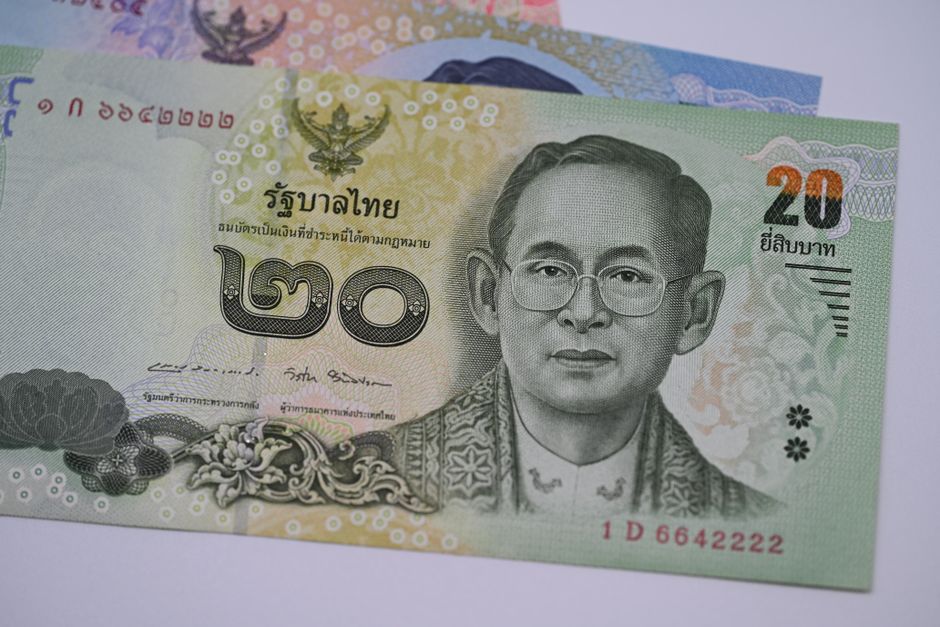
Thailand Launches Billion Digital Cash: A Paradigm Shift in Financial Inclusion and Economic Modernization
The Royal Thai Government’s ambitious "Digital Wallet" initiative, earmarked with a substantial 1 trillion Thai Baht (approximately USD 27 billion), marks a pivotal moment in the nation’s economic trajectory. This groundbreaking program, designed to inject a significant amount of digital currency directly into the hands of its citizens, aims to stimulate domestic consumption, foster financial inclusion, and accelerate the modernization of Thailand’s financial infrastructure. The core of this initiative lies in distributing 10,000 Baht in digital tokens to every Thai citizen aged 16 and above, with a specific geographical spending radius to encourage local economic activity. This is not merely a stimulus package; it represents a fundamental re-evaluation of how a nation can leverage digital technology to empower its populace and drive broad-based economic growth. The sheer scale of the investment signifies a profound commitment from the government to embrace the digital age and address long-standing economic challenges, particularly those exacerbated by global economic downturns and the lingering effects of the pandemic. The success of this program hinges on its meticulous implementation, robust technological framework, and widespread public adoption, all of which are being closely scrutinized by both domestic and international observers. The ramifications of this “Billion Digital Cash” launch extend far beyond a simple distribution of funds, promising to reshape consumption patterns, empower small and medium-sized enterprises (SMEs), and potentially set a precedent for other developing economies.
The primary objective of the 1 trillion Baht Digital Wallet initiative is to provide a direct and immediate boost to Thailand’s domestic economy. By distributing funds to a vast segment of the population, the government anticipates a surge in consumer spending, thereby stimulating demand across various sectors. This is particularly crucial for sectors that have historically relied heavily on domestic consumption, such as retail, food and beverage, and local services. The stipulated spending limit within a designated geographical area of 4 kilometers around the recipient’s registered residence is a strategic design element aimed at ensuring the funds circulate within local communities. This hyperlocal focus is intended to support small businesses and entrepreneurs who are often the backbone of regional economies but may struggle to compete with larger, national chains. The implicit goal is to create a multiplier effect, where the initial injection of funds leads to a chain reaction of economic activity, generating income and employment opportunities at the grassroots level. Furthermore, the digital nature of the currency is designed to bypass some of the traditional inefficiencies and intermediaries present in conventional financial systems, ensuring that the funds reach their intended recipients more directly and with greater speed. The government’s rationale is that a widespread injection of purchasing power, concentrated within local economies, will act as a potent antidote to economic stagnation and create a more resilient and self-sustaining economic ecosystem.
Financial inclusion is another cornerstone of the Digital Wallet program. A significant portion of the Thai population, particularly those in rural areas or with lower incomes, remains unbanked or underbanked. The initiative requires recipients to have a digital wallet, which will necessitate the adoption of digital banking services or mobile payment applications. This compulsory onboarding process serves as a powerful catalyst for bringing these individuals into the formal financial system. Once established with a digital wallet, citizens gain access to a broader range of financial services, including savings, credit, and insurance, which can significantly improve their financial well-being and long-term economic stability. The digital wallet, once activated for the 10,000 Baht distribution, can subsequently be used for other digital transactions, fostering a habit of digital financial engagement. This democratization of financial access is expected to empower individuals to manage their finances more effectively, invest in their futures, and participate more fully in the digital economy. The government’s vision is to create a more equitable financial landscape where everyone has the tools and opportunities to thrive, reducing the persistent digital divide that has historically excluded large segments of the population from the benefits of modern financial services.
The technological backbone of this massive undertaking is the "Paotang" (meaning "MyMoney" or "Wallet") application, which has been designated as the primary platform for the digital currency distribution. This existing government-backed application has been instrumental in previous welfare programs and possesses the necessary infrastructure to handle the immense volume of transactions anticipated. The digital tokens will be issued and managed on a blockchain, although the specific blockchain architecture being employed is still subject to detailed public discussion and may involve a centralized or a hybrid approach for efficiency and regulatory control. The use of blockchain technology promises enhanced transparency, security, and traceability of transactions. This feature is crucial for accountability and for preventing fraud. Each transaction will be recorded on the immutable ledger, providing a clear audit trail. The development and scaling of this platform to accommodate 1 trillion Baht in digital currency and millions of users are a monumental technical challenge, requiring robust cybersecurity measures and continuous system optimization. The success of the program is intrinsically linked to the reliability, security, and user-friendliness of the Paotang application and its underlying blockchain infrastructure.
The economic impact of the Digital Wallet initiative is projected to be substantial, with estimates suggesting a potential GDP growth of 1.5% to 3%. This stimulus is not only intended to boost current economic activity but also to lay the groundwork for future sustainable growth. By encouraging consumption, the program aims to create a virtuous cycle of demand, production, and employment. The increased economic activity is expected to benefit a wide array of businesses, from street vendors and small retailers to larger enterprises involved in manufacturing and distribution. The government is also exploring mechanisms to ensure that the digital currency can be used to purchase a wide range of goods and services, thereby maximizing its economic impact. However, concerns have been raised regarding potential inflationary pressures. The influx of a significant amount of money into the economy could, if not managed carefully, lead to an increase in the general price level. The government has acknowledged these concerns and is monitoring the situation closely, indicating a willingness to implement countermeasures if inflation becomes a significant threat. The long-term economic benefits are expected to outweigh these short-term risks, provided that the program is implemented effectively and accompanied by sound fiscal and monetary policies.
The geographical spending limitation is a deliberate policy choice designed to maximize the impact of the funds on local economies and prevent the money from flowing disproportionately to major urban centers or national chains. The 4-kilometer radius aims to encourage recipients to spend at businesses within their immediate communities, supporting local entrepreneurs and small businesses. This policy is particularly beneficial for rural areas and smaller towns where economic opportunities may be limited. It aims to foster a sense of community economic empowerment, where the funds circulate and recirculate within a defined local ecosystem. However, this restriction also presents logistical challenges and potential limitations for recipients who may wish to purchase goods or services from businesses located outside their designated radius. The government has indicated that there may be some flexibility in these restrictions, particularly for essential goods or in areas with limited local options, but the core intent remains the promotion of hyperlocal economic activity. The success of this localization strategy will depend on the availability of goods and services within these radii and the willingness of businesses to adapt to the digital currency system.
The implications of the Digital Wallet initiative extend beyond its immediate economic effects, influencing broader societal trends. The widespread adoption of digital wallets and mobile payment systems is accelerating Thailand’s transition into a cashless society. This shift offers numerous benefits, including increased convenience, improved security, and reduced transaction costs. It also opens up new avenues for innovation in financial services, as fintech companies can leverage the increased digital transaction volume to develop new products and services. The program is a significant step towards realizing the vision of Thailand 4.0, the government’s long-term economic development plan that emphasizes digital innovation and advanced technology. By empowering citizens with digital financial tools, the government is fostering a more digitally literate and economically empowered population, better equipped to navigate the complexities of the 21st-century global economy. The success of this program could serve as a model for other nations seeking to harness digital currency for economic development and financial inclusion.
While the Digital Wallet program holds immense promise, it is not without its challenges. Potential issues include ensuring widespread accessibility for all citizens, particularly the elderly or those with limited digital literacy, and preventing misuse or fraud. The government is investing in public awareness campaigns and providing training to ensure that all eligible citizens can participate effectively. Cybersecurity remains a paramount concern, and robust measures are being implemented to protect user data and financial assets. The logistical complexities of distributing 1 trillion Baht in digital currency to millions of individuals across the country require meticulous planning and execution. Furthermore, the long-term sustainability of the program and its impact on national debt levels will be subject to ongoing economic analysis and policy adjustments. The government’s commitment to transparency and responsiveness to public feedback will be crucial in navigating these challenges and ensuring the program’s ultimate success.
The launch of Thailand’s 1 trillion Baht Digital Wallet initiative represents a bold and transformative step towards economic modernization and greater financial inclusion. By strategically deploying digital currency, the government aims to stimulate domestic consumption, empower local economies, and accelerate the nation’s digital transformation. The program’s success will be a testament to its careful planning, robust technological implementation, and the active participation of its citizens, ultimately shaping a more inclusive and prosperous future for Thailand. This initiative is a clear signal of Thailand’s commitment to embracing the digital revolution as a powerful engine for economic growth and social progress.
