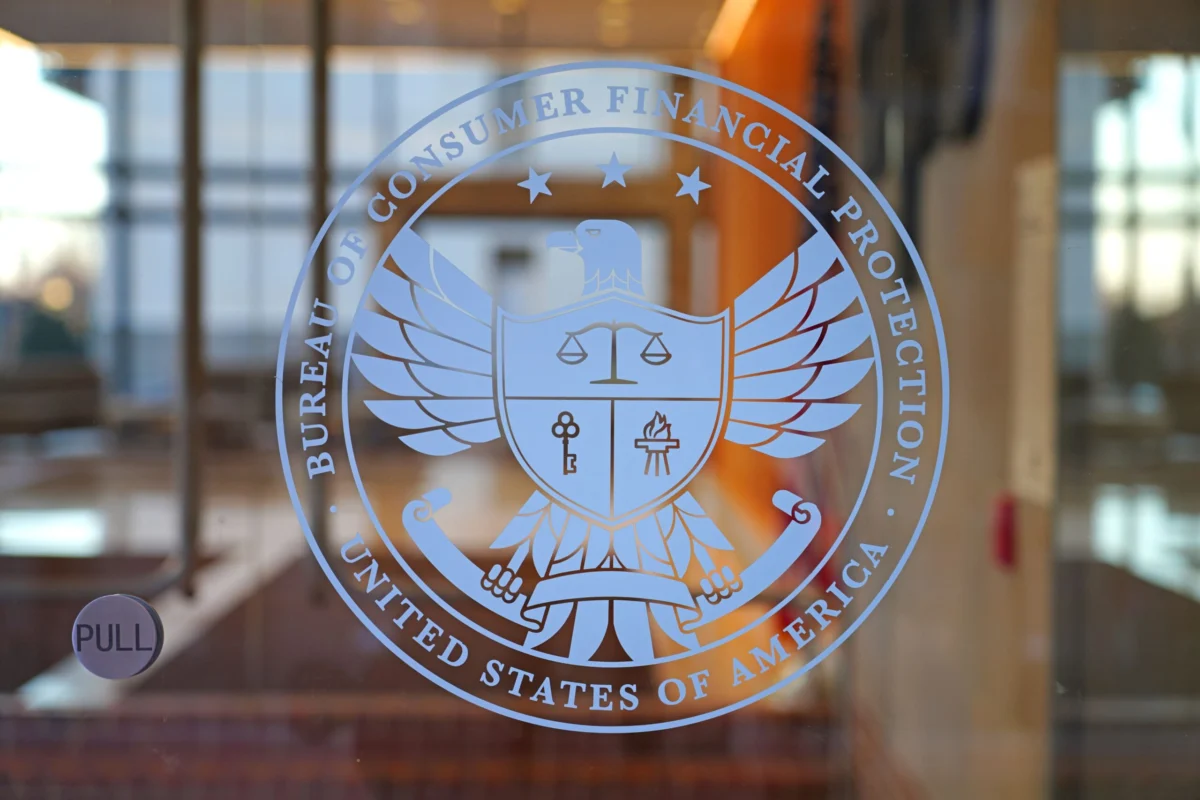
The Office of the Comptroller of the Currency (OCC) has officially terminated the lease agreement for the Consumer Financial Protection Bureau’s (CFPB) prominent headquarters in Washington, D.C., a move that severs the agency’s occupancy six years ahead of its scheduled expiration. This significant development, revealed through government records obtained by the Reuters news agency, signals a pivotal moment in the ongoing efforts by the Trump administration to reshape the landscape of financial regulation in the United States. The termination of the lease, confirmed to have occurred in February, marks a tangible step in the administration’s broader agenda to curtail the influence and potentially dismantle the very existence of the CFPB, an agency established by Congress in the wake of the 2008 financial crisis.
Background: The Genesis of the CFPB and the Shifting Political Winds
The Consumer Financial Protection Bureau was a cornerstone of the Dodd-Frank Wall Street Reform and Consumer Protection Act of 2010, a sweeping legislative package designed to prevent a recurrence of the systemic risks that plunged the global economy into recession. Its creation was driven by a widespread consensus that existing regulatory bodies lacked the singular focus and authority to effectively protect consumers from predatory financial practices. The CFPB was empowered to supervise financial institutions, enforce federal consumer financial laws, and educate consumers on financial products and services. Its establishment was a landmark achievement for consumer advocates, who had long argued for a dedicated agency to act as a bulwark against deceptive and abusive financial conduct.
However, since its inception, the CFPB has been a subject of intense political debate. While lauded by consumer groups and many lawmakers as a vital protector of the public interest, it has faced considerable opposition from the financial industry and conservative policymakers who argue that it wields excessive power, stifles innovation, and imposes undue regulatory burdens. The election of President Donald Trump and the subsequent appointment of key figures within his administration, such as Office of Management and Budget Director Russell Vought – who also serves as the acting director of the CFPB – have amplified these criticisms and fueled a determined campaign to diminish the bureau’s scope and authority.
The Lease Termination: A Tangible Step in the Administration’s Strategy
The termination of the CFPB’s headquarters lease is not an isolated incident but rather a strategic maneuver within a larger campaign to shrink the agency. Reuters’ reporting, citing documents obtained through a Freedom of Information Act (FOIA) request, details that the OCC formally ended the lease in February. Subsequently, the property was transferred to the General Services Administration (GSA), the federal government’s central real estate management agency, at no financial cost to the OCC. This transfer effectively removes the CFPB from its long-standing physical presence, a move that could have significant operational and symbolic implications for the bureau.
The CFPB’s headquarters, a substantial building located in a prime area of Washington, D.C., has served as the nerve center for its operations since its establishment. The decision to terminate the lease so far in advance of its expiration date suggests a deliberate and calculated effort to expedite the administration’s goals concerning the agency. This action aligns with public statements made by both President Trump and Director Vought, who have openly expressed their desire to close or significantly reduce the scope of the CFPB, despite its congressionally mandated existence.
Chronology of Efforts to Restructure the CFPB
The termination of the lease is the latest in a series of actions taken by the Trump administration and its allies to curb the CFPB’s influence. A timeline of key events illustrates this persistent effort:
- 2017-2018: Following President Trump’s inauguration, Mick Mulvaney, then Director of the Office of Management and Budget, was appointed as the acting director of the CFPB. Mulvaney implemented significant changes, including hiring freezes, budget cuts, and a review of the agency’s structure and mission. These actions were met with strong criticism from consumer advocates who viewed them as an attempt to neutralize the bureau’s effectiveness.
- 2018: A lawsuit was filed by the CFPB challenging Mulvaney’s authority to lead the agency, arguing that the appointment violated the Dodd-Frank Act. While the case went through the courts, the legal landscape surrounding the CFPB’s leadership remained contentious.
- 2019: Kathleen Kraninger was confirmed as the CFPB’s permanent director, a move that signaled the administration’s continued commitment to its agenda for the agency.
- 2020 (February): The OCC terminates the lease for the CFPB’s headquarters. This action is reported by Reuters in April 2020.
- Ongoing: The administration’s efforts to reduce the CFPB’s workforce are revealed, with a request to cut employee numbers by more than half.
Supporting Data: Workforce Reductions and Operational Impact
The administration’s ambition to shrink the CFPB extends beyond its physical footprint to its human capital. Recent legal filings reveal a significant request by administration attorneys to drastically reduce the current workforce. The stated goal is to cut the number of employees from approximately 1,174 to 556. This represents a reduction of over 600 employees, or more than half of the agency’s current staff.
For context, the CFPB reached its peak staffing levels in the past, with reports indicating a workforce of 1,758 employees in 2024. The proposed reduction signifies a dramatic contraction of the agency’s operational capacity. Such a substantial decrease in personnel could have profound implications for the CFPB’s ability to fulfill its statutory mandate, including its capacity to conduct investigations, enforce regulations, develop new consumer protection initiatives, and process consumer complaints. The sheer volume of work undertaken by the CFPB, from overseeing the mortgage market to regulating credit cards and student loans, requires a substantial and skilled workforce. A reduction of this magnitude raises questions about the agency’s ability to maintain its effectiveness in safeguarding consumers.
Legal Challenges and Broader Implications
The Trump administration’s multifaceted approach to diminishing the CFPB has not gone unchallenged. At least two lawsuits have been initiated in response to the administration’s efforts to restructure and shrink the bureau. These legal battles highlight the deep divisions over the CFPB’s role and the legality of the administration’s actions. The outcomes of these lawsuits could have far-reaching consequences for the future of consumer financial protection in the United States, potentially setting precedents for how federal agencies can be reined in or dismantled.
The termination of the lease and the proposed workforce reductions are not merely bureaucratic adjustments; they represent a significant shift in the regulatory environment for financial institutions and consumers. For financial companies, a weakened CFPB could translate to reduced regulatory scrutiny and potentially fewer compliance burdens. However, for consumers, this could mean diminished protection against predatory lending, unfair billing practices, and deceptive financial products. The CFPB, despite its controversies, has been instrumental in returning billions of dollars to consumers through enforcement actions and has played a crucial role in shaping more consumer-friendly financial markets.
Inferred Reactions and Official Stances
While direct statements from all parties involved may not be publicly available, the actions themselves speak volumes. Consumer advocacy groups have consistently voiced alarm over the administration’s actions, viewing them as a betrayal of the public trust and a rollback of essential protections. They are likely to interpret the lease termination and workforce reduction as further evidence of an agenda to gut the agency and prioritize the interests of the financial industry over those of individual consumers.
Conversely, proponents of reducing the CFPB’s power, including many within the financial industry and some political factions, are likely to view these developments positively. They may see the move as a necessary correction to an overreaching agency, arguing that it will foster a more competitive and innovative financial sector. President Trump and Director Vought have consistently articulated a vision of a smaller, more efficient government, and their actions regarding the CFPB align with this broader philosophy. Their stated desire to "close the bureau" suggests a fundamental disagreement with its very existence and purpose.
The Future of Consumer Protection in the Balance
The termination of the CFPB’s headquarters lease and the proposed significant reduction in its workforce are critical developments that underscore the ongoing political battle over financial regulation. These actions, viewed in conjunction with the administration’s stated goals, signal a potential weakening of consumer protections that were hard-won in the aftermath of the 2008 financial crisis. The legal challenges currently underway will be pivotal in determining the ultimate fate of the agency and its ability to fulfill its vital mission. The long-term implications for consumers and the stability of the financial system will depend on the resolution of these legal disputes and the direction of future administrations and regulatory policies. The physical departure from its iconic headquarters is a powerful symbol, but the true measure of the CFPB’s future will be determined by its capacity to operate effectively and enforce the laws designed to protect the financial well-being of millions of Americans.