Enterprise Risk Management (ERM) has transitioned from a back-office compliance function to a cornerstone of corporate strategy, driven by an increasingly volatile global landscape characterized by cyber threats, regulatory shifts, and economic instability. As organizations move away from fragmented spreadsheets toward integrated digital ecosystems, Riskonnect has emerged as a prominent player in the Governance, Risk, and Compliance (GRC) sector. Built on the Salesforce platform, Riskonnect offers a cloud-based suite of tools designed to provide a "single pane of glass" view of corporate risk. However, as the complexity of business operations grows, many organizations are finding that Riskonnect’s enterprise-heavy architecture or specific pricing models may not align with their agile requirements. This has led to a significant market shift toward more modular, AI-driven, and user-centric alternatives that cater to a broader range of industries and organizational sizes.
The Evolution of Risk Management: A Brief Chronology
The methodology of managing business risk has undergone several distinct phases over the last three decades. Understanding this progression is vital to evaluating why current software alternatives are gaining traction over legacy-style platforms.
- The Spreadsheet Era (Pre-2002): Before the implementation of major regulatory frameworks like the Sarbanes-Oxley Act (SOX), risk management was largely siloed. Departments managed risks in isolation using Excel or manual ledgers, leading to a lack of visibility at the executive level.
- The Regulatory Catalyst (2002–2010): Following high-profile corporate scandals, the demand for formalized GRC tools spiked. Early platforms focused heavily on audit trails and financial compliance, often sacrificing user experience for rigid adherence to legal requirements.
- The Rise of Integrated Cloud GRC (2010–2020): Platforms like Riskonnect and MetricStream began leveraging cloud infrastructure to connect disparate data points. This era saw the birth of "Integrated Risk Management" (IRM), where cyber, operational, and financial risks were finally tracked in a single environment.
- The AI and Agile Era (2021–Present): The current market prioritizes "Risk Intelligence." Modern tools now use Artificial Intelligence (AI) and Machine Learning (ML) to predict risks before they manifest, featuring "no-code" environments that allow non-technical risk owners to customize their workflows without heavy consultant intervention.
Why Organizations Are Seeking Riskonnect Alternatives
While Riskonnect remains a powerhouse, particularly for large enterprises already invested in the Salesforce ecosystem, several pain points frequently drive firms to seek alternatives. Implementation timelines for Riskonnect can be extensive, often requiring months of configuration. Furthermore, the complexity of its interface can lead to low user adoption among employees outside the risk department. As the "democratization of risk" becomes a corporate goal—where every manager is responsible for identifying threats—simplicity and speed-to-value have become more important than exhaustive feature sets.
1. AuditBoard: The Leader in Connected Risk and Faster Time-to-Value
AuditBoard has rapidly climbed the ranks to become one of the most respected names in the GRC space, particularly for internal audit and SOX compliance. Unlike legacy systems, AuditBoard is praised for its modern, intuitive interface that mimics contemporary consumer software, which significantly lowers the barrier to entry for new users.
Key Features and Capabilities:
AuditBoard’s platform is built on a "Connected Risk" model. This ensures that a single data point—such as a specific control or a risk assessment—populates across audit, compliance, and risk modules simultaneously. Its automation engine handles repetitive tasks like evidence collection and follow-up notifications, allowing teams to focus on high-level analysis.
- Pros: Exceptionally high user adoption rates; seamless integration with collaboration tools like Slack and Microsoft Teams; robust automated reporting for board-level presentations.
- Cons: Historically focused on audit, meaning its operational risk modules, while growing, may feel less mature than specialized ERM platforms.
2. LogicGate Risk Cloud: Flexibility Through No-Code Innovation
LogicGate represents the "agile" wave of GRC. Its Risk Cloud platform is designed for organizations that find traditional software too rigid. LogicGate uses a visual, "drag-and-drop" interface that allows risk managers to build their own processes without writing a single line of code.
Key Features and Capabilities:
The platform utilizes a graph-database structure, which allows it to map relationships between risks, controls, and business units in a non-linear fashion. This is particularly useful for mid-market firms that are scaling rapidly and need a system that can evolve alongside their changing organizational structure.
- Pros: Unmatched flexibility in workflow design; rapid deployment (often weeks instead of months); excellent customer support and a community-driven "Power User" network.
- Cons: Can become disorganized if not governed properly due to its high level of customizability; pricing can scale quickly as more "Apps" are added to the environment.
3. MetricStream: AI-First Intelligence for Global Enterprises
For multinational corporations facing a labyrinth of international regulations, MetricStream is often the go-to alternative to Riskonnect. MetricStream has doubled down on AI with its "Artemis" initiative, aiming to provide predictive insights rather than just historical data.
Key Features and Capabilities:
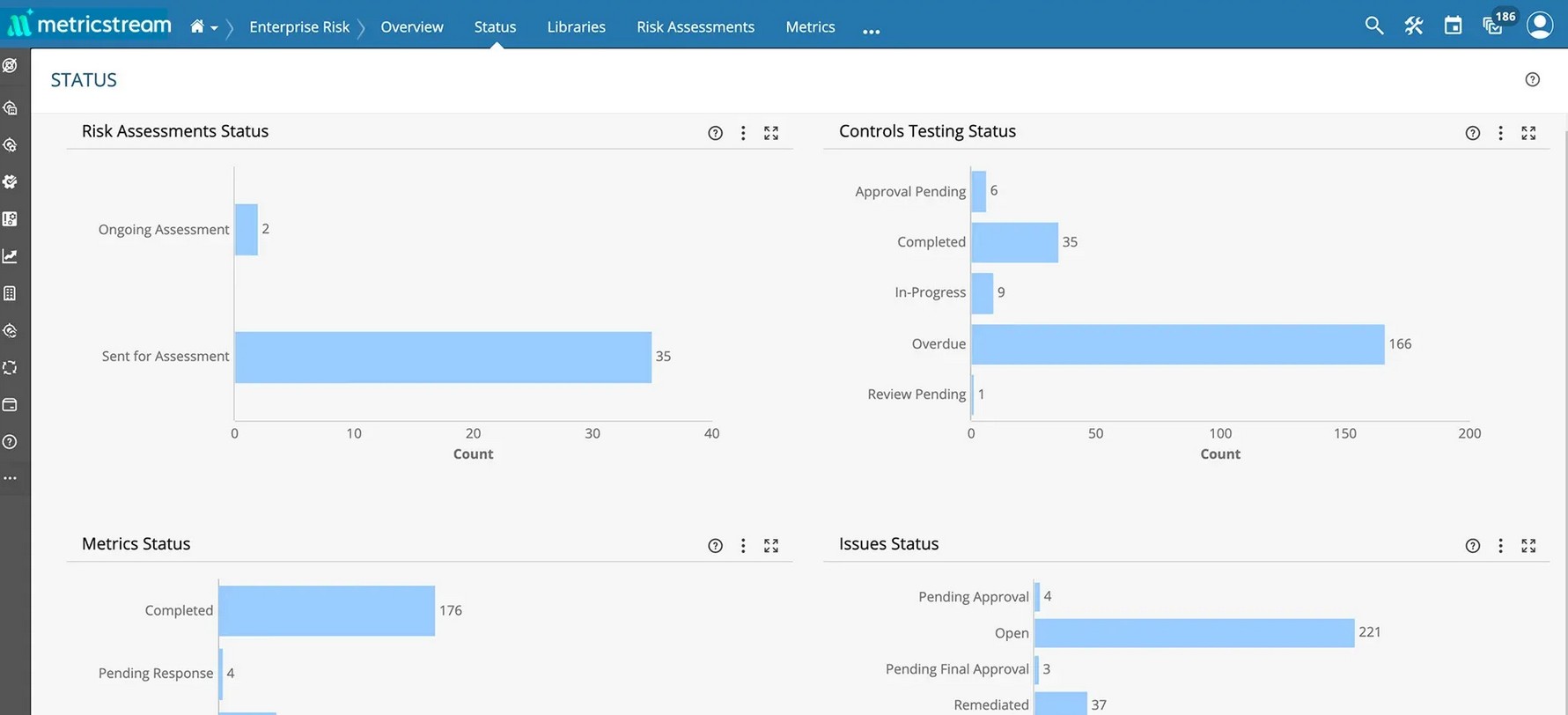
MetricStream excels in "Compliance Intelligence." It monitors global regulatory feeds in real-time and automatically alerts relevant stakeholders if a change in law affects their current controls. This level of automation is critical for firms operating in highly regulated sectors like banking, healthcare, and energy.
- Pros: Deep AI integration for risk quantification; comprehensive library of global regulatory requirements; highly scalable for the world’s largest organizations.
- Cons: The interface can feel "heavy" or dated compared to newer entrants; requires a significant investment in training and professional services for initial setup.
4. Resolver: A Specialized Focus on Incident and Physical Security
While many ERM tools focus on financial or digital risks, Resolver has carved out a niche by excelling in incident management and physical security. It is widely used by organizations with large physical footprints, such as retail chains, airports, and manufacturing hubs.
Key Features and Capabilities:
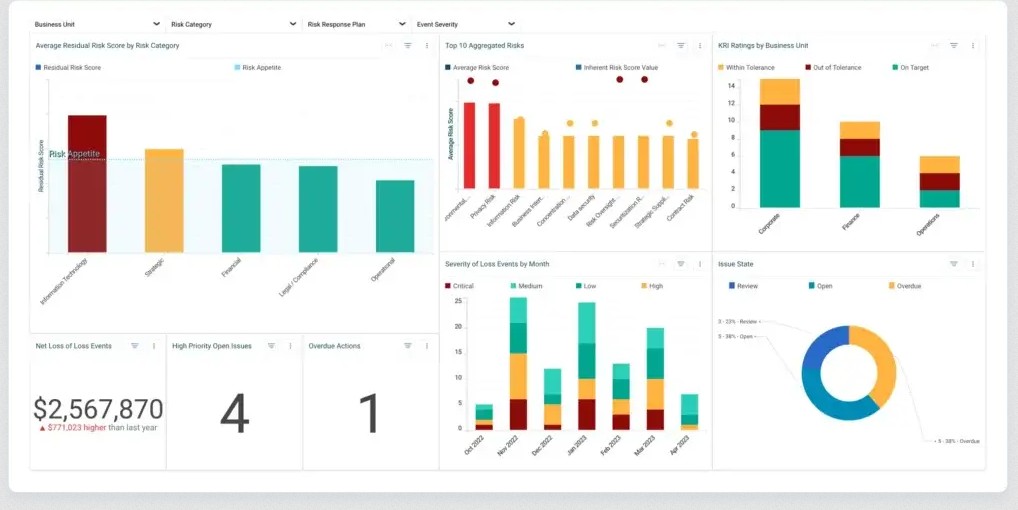
Resolver’s strength lies in its ability to tie actual incidents—such as a security breach or a workplace injury—back to the enterprise risk register. This creates a feedback loop where theoretical risks are constantly updated based on real-world data.
- Pros: Best-in-class incident management; strong data visualization for identifying geographical risk clusters; intuitive mobile reporting for field workers.
- Cons: Not as robust for complex financial GRC or SOX compliance compared to AuditBoard; may require third-party integrations for comprehensive cyber risk management.
5. OnSpring: Modular Efficiency and Real-Time Visibility
OnSpring is frequently cited for its performance speed and clean UI. It offers a modular approach, allowing companies to start with a single use case—like vendor risk management—and expand into a full ERM suite over time.
Key Features and Capabilities:
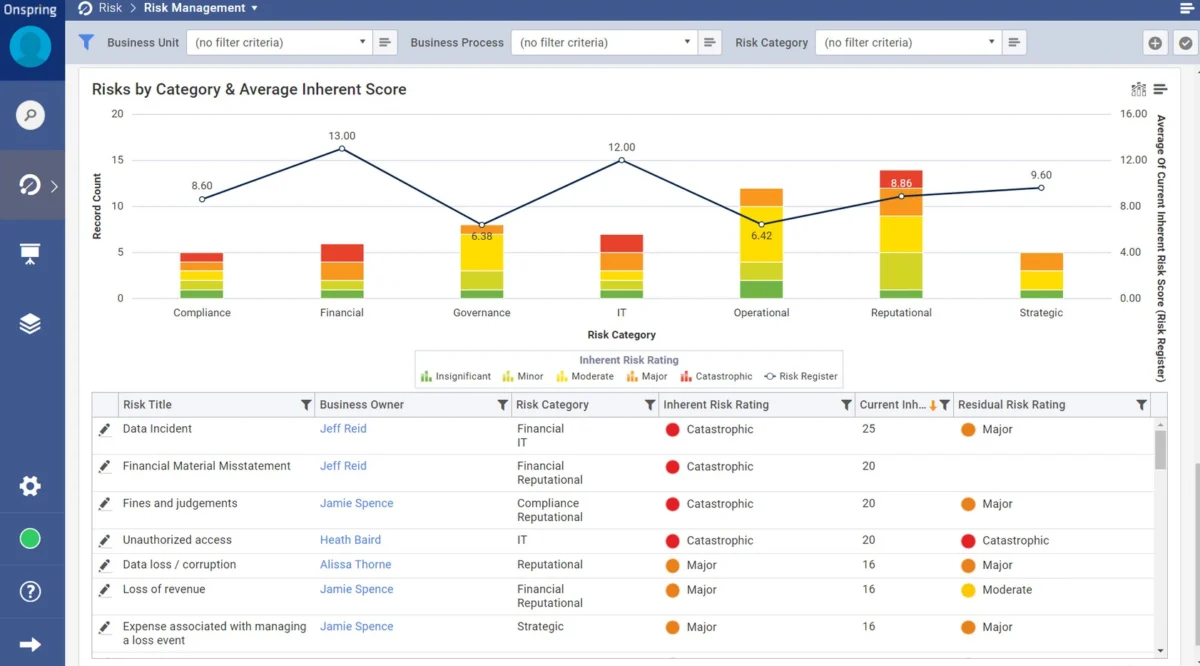
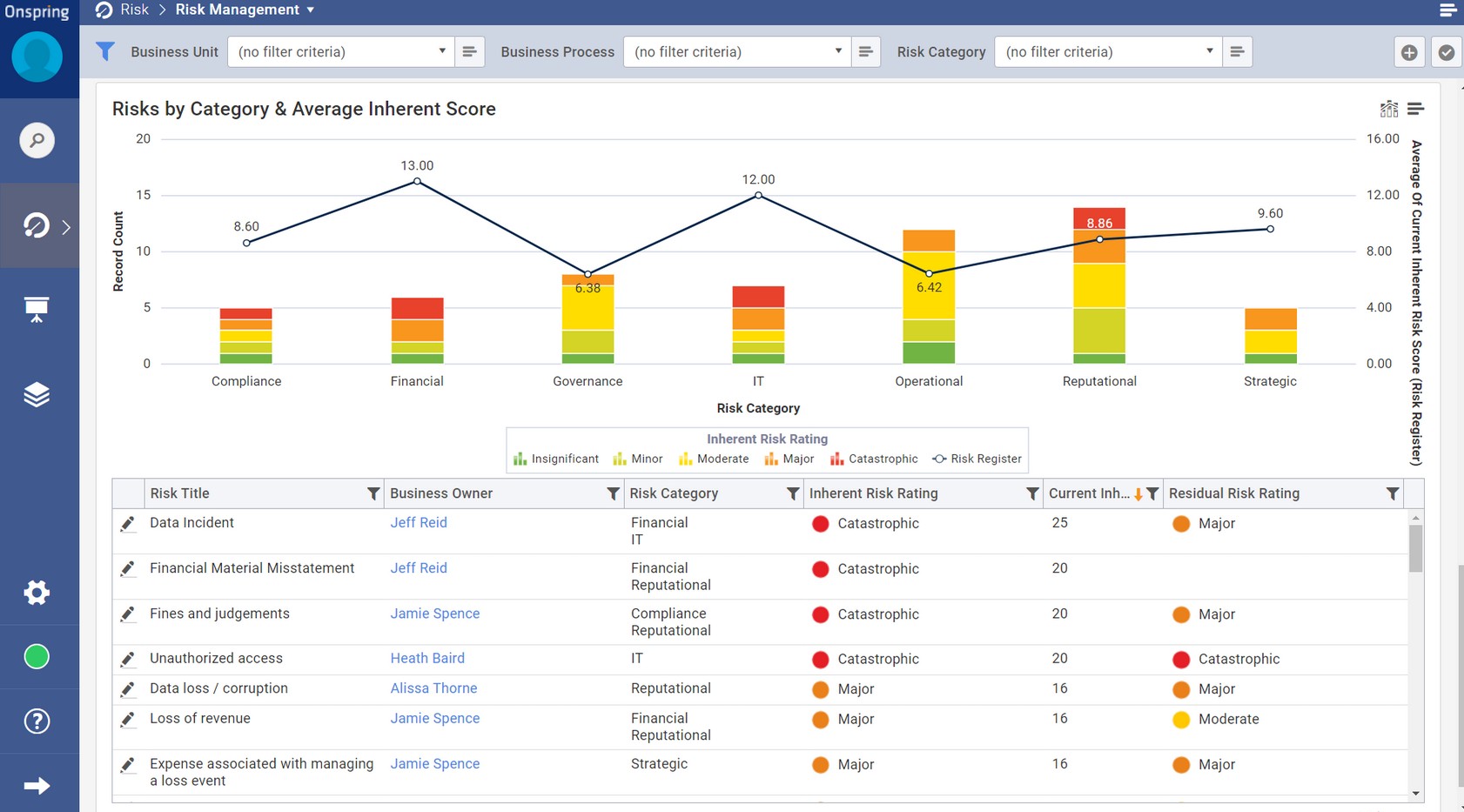
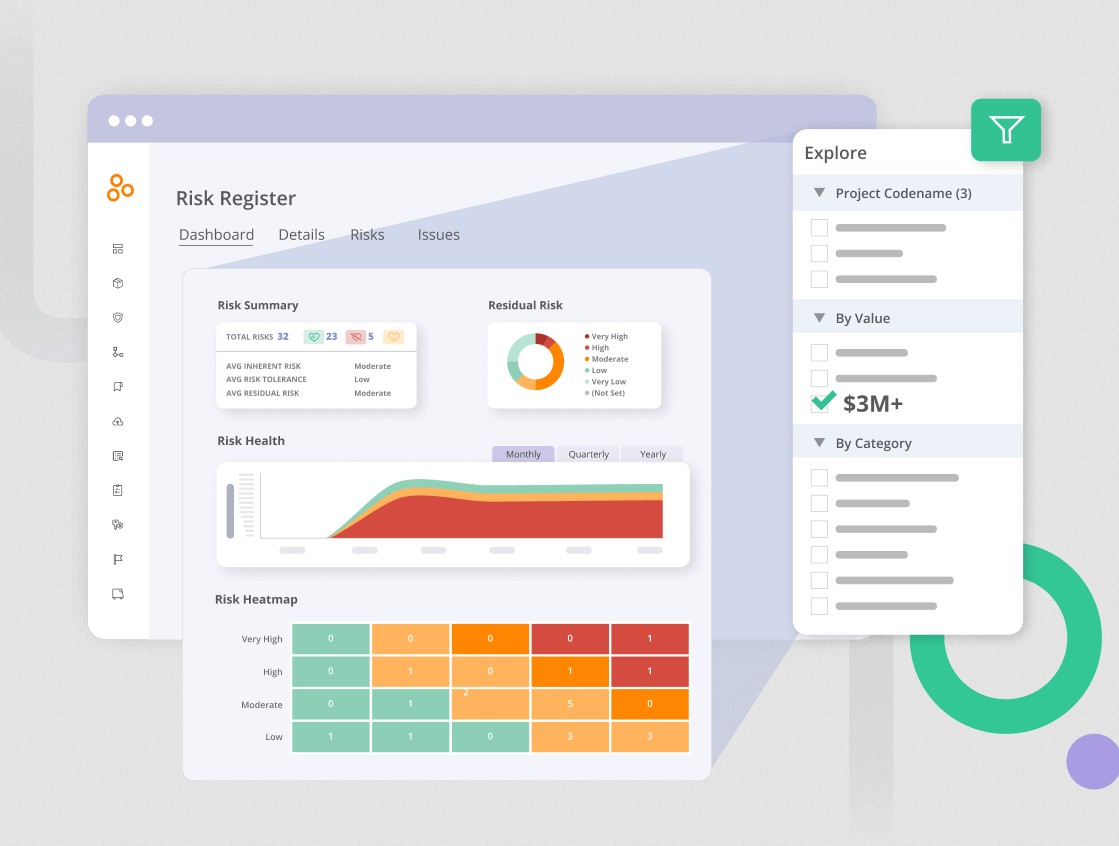
OnSpring’s reporting engine is one of its standout features. It allows users to create real-time dashboards that drill down from a high-level "heat map" into the specific evidence supporting a risk rating. Its automated "trigger" system ensures that when a risk threshold is breached, the system immediately initiates a mitigation workflow.
- Pros: Fast system performance even with large datasets; highly responsive and customizable dashboards; transparent pricing models.
- Cons: Smaller ecosystem of third-party consultants compared to Riskonnect or Diligent; less focus on built-in "best practice" content, requiring users to bring their own frameworks.
6. Hyperproof: The Solution for SaaS and Tech-Centric Compliance
Hyperproof has gained significant traction among software-as-a-service (SaaS) companies. These organizations face unique challenges, such as maintaining SOC 2, ISO 27001, and GDPR compliance simultaneously. Hyperproof automates the "evidence collection" process by connecting directly to the tech stack (GitHub, Jira, AWS, etc.).
Key Features and Capabilities:
The platform’s "Hypersync" technology is its crown jewel. It automatically pulls data from integrated systems to verify that controls are functioning. If a developer leaves a database open, Hyperproof can detect the lack of control and flag it for remediation before an auditor ever sees it.
- Pros: Drastic reduction in manual labor for compliance teams; purpose-built for the tech industry; excellent for managing "cross-walking" (applying one control to multiple frameworks).
- Cons: More focused on security compliance than broad enterprise-wide strategic risk; may lack some of the deeper financial auditing features found in AuditBoard.
7. Diligent: Board-Level Governance and ESG Integration
Diligent is perhaps the most direct competitor to Riskonnect in the large-enterprise space. Following a series of strategic acquisitions (including Steele and Galvanize), Diligent now offers a massive ecosystem that links risk management directly to the boardroom.
Key Features and Capabilities:
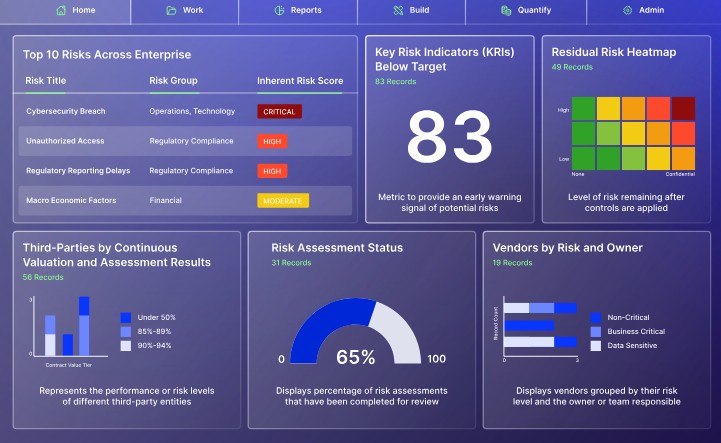
Diligent is a leader in the ESG (Environmental, Social, and Governance) space. As boards of directors face increasing pressure to report on carbon footprints and diversity metrics, Diligent provides a unified platform to track these "soft" risks alongside traditional financial metrics.
- Pros: Strongest platform for board reporting and executive communication; comprehensive ESG tracking tools; global reach with support for dozens of languages.
- Cons: The platform can feel fragmented due to its history of acquisitions; high price point often limits it to the largest global firms.
Supporting Data: The Cost of Inaction
The shift toward these advanced ERM platforms is backed by compelling economic data. According to industry research, the global ERM software market is projected to reach over $10 billion by 2028, growing at a CAGR of approximately 12%. This growth is fueled by the rising cost of non-compliance and data breaches.
A 2023 study by IBM and the Ponemon Institute revealed that the average cost of a data breach has reached $4.45 million. Furthermore, organizations that use high levels of security AI and automation—features prominent in tools like Hyperproof and MetricStream—saved an average of $1.76 million compared to those that did not. These figures underscore that ERM software is no longer an optional expense but a vital insurance policy against catastrophic financial loss.
Industry Implications and Future Outlook
The transition from Riskonnect to more specialized or agile alternatives reflects a broader trend in corporate IT: the move away from "one-size-fits-all" legacy platforms toward "best-of-breed" solutions. Industry analysts suggest that the next frontier for ERM will be "Autonomous Risk Management," where AI agents not only identify risks but also suggest and initiate remediation steps with minimal human oversight.
As regulatory bodies like the SEC in the United States and the European Insurance and Occupational Pensions Authority (EIOPA) introduce stricter digital resilience acts (such as DORA), the pressure on CROs (Chief Risk Officers) and CISOs (Chief Information Security Officers) will only intensify. The choice of an ERM platform is increasingly viewed as a competitive advantage; those who can navigate risks faster and with more accuracy will inevitably outpace their peers in an unpredictable market.
In conclusion, while Riskonnect remains a formidable and capable platform for many, the diverse landscape of alternatives—from the audit-centric AuditBoard to the board-level Diligent—ensures that every organization can find a tool that fits its specific culture, budget, and risk profile. The "right" choice depends on whether a firm values flexibility, AI-driven depth, or seamless board integration above all else. Regardless of the tool chosen, the move toward digital, integrated risk management is a mandatory step for any business seeking longevity in the 21st century.