The global healthcare industry represents one of the most complex administrative landscapes in the modern economy, governed by a web of rigorous data privacy laws and intricate financial protocols. At the heart of this complexity lies the management of Personally Identifiable Information (PII) and the technical precision of medical billing and coding. As governments worldwide intensify their mandates to secure patient data from unauthorized access, healthcare providers are increasingly turning toward sophisticated automation to navigate the dual challenges of regulatory compliance and operational efficiency.
Medical billing serves as the financial bridge between healthcare providers and insurance entities. It is a process where claims are meticulously documented and submitted to payers to ensure reimbursement for services rendered. However, the integrity of this bridge depends entirely on medical coding—the transformation of healthcare diagnoses, procedures, medical services, and equipment into universal alphanumeric codes. These standardized sets, including the International Classification of Diseases (ICD-10) for diagnoses, Current Procedural Terminology (CPT) for procedures, and the Healthcare Common Procedure Coding System (HCPCS) for medical supplies, are essential not only for insurance claims but also for global health statistics and clinical research.
The Growing Burden of Administrative Compliance
The stakes for accuracy in this field have never been higher. According to industry data, nearly 80% of medical bills contain errors, ranging from simple clerical mistakes to complex "upcoding" or "unbundling" issues. These inaccuracies often lead to claim denials, which can account for a loss of up to 10% of a practice’s annual revenue. Furthermore, the Health Insurance Portability and Accountability Act (HIPAA) in the United States and similar frameworks globally, such as the GDPR in Europe, impose heavy penalties for the mishandling of patient data.
In the face of rising patient volumes and the transition toward value-based care, manual processing has become a significant liability. The administrative cost of healthcare in the U.S. alone is estimated to be over $900 billion annually, a figure that many analysts believe can be drastically reduced through digital transformation. This has catalyzed the adoption of medical billing and coding compliance software, designed to automate claims scrubbing, validate codes against current regulations, and create robust audit trails that protect organizations during federal or insurance audits.
A Chronology of Medical Coding and Regulatory Standards
The path to modern automated billing has been defined by several key regulatory milestones. The implementation of the HIPAA Administrative Simplification rules in the late 1990s set the stage for electronic data interchange (EDI). This was followed by the HITECH Act of 2009, which incentivized the adoption of Electronic Health Records (EHR).
A major shift occurred in October 2015, when the U.S. healthcare system transitioned from ICD-9 to ICD-10. This transition expanded the number of available codes from approximately 13,000 to over 68,000, significantly increasing the granularity of medical reporting but also the potential for human error. Today, the industry is entering the era of Artificial Intelligence (AI) and Machine Learning (ML), where "ambient listening" and generative AI are beginning to automate the documentation process in real-time, further reducing the administrative burden on clinicians.
Leading Solutions in Medical Billing and Coding Compliance
To address these challenges, several technology providers have developed comprehensive platforms that integrate billing, coding, and compliance into unified workflows.
AdvancedMD: Cloud-Based Workflow Optimization
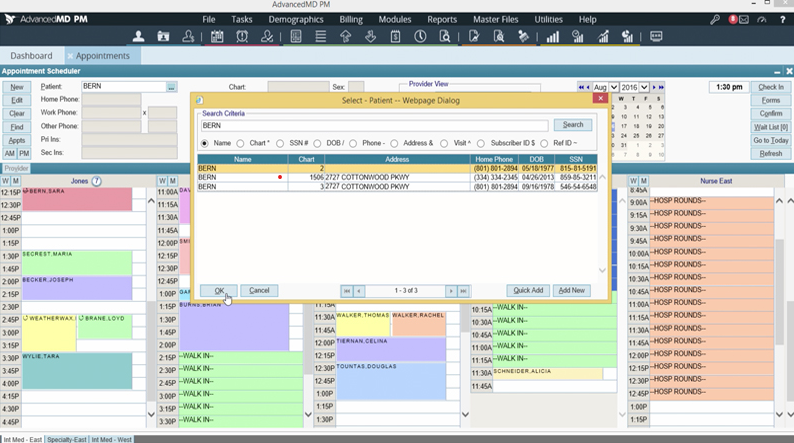
AdvancedMD has established itself as a leader in the cloud-based healthcare technology space. Its platform is designed to automate the lifecycle of a patient visit, from scheduling to final payment. By integrating EHR with billing functions, it ensures that data flows seamlessly without manual re-entry, which is a primary source of PII leaks and coding errors.
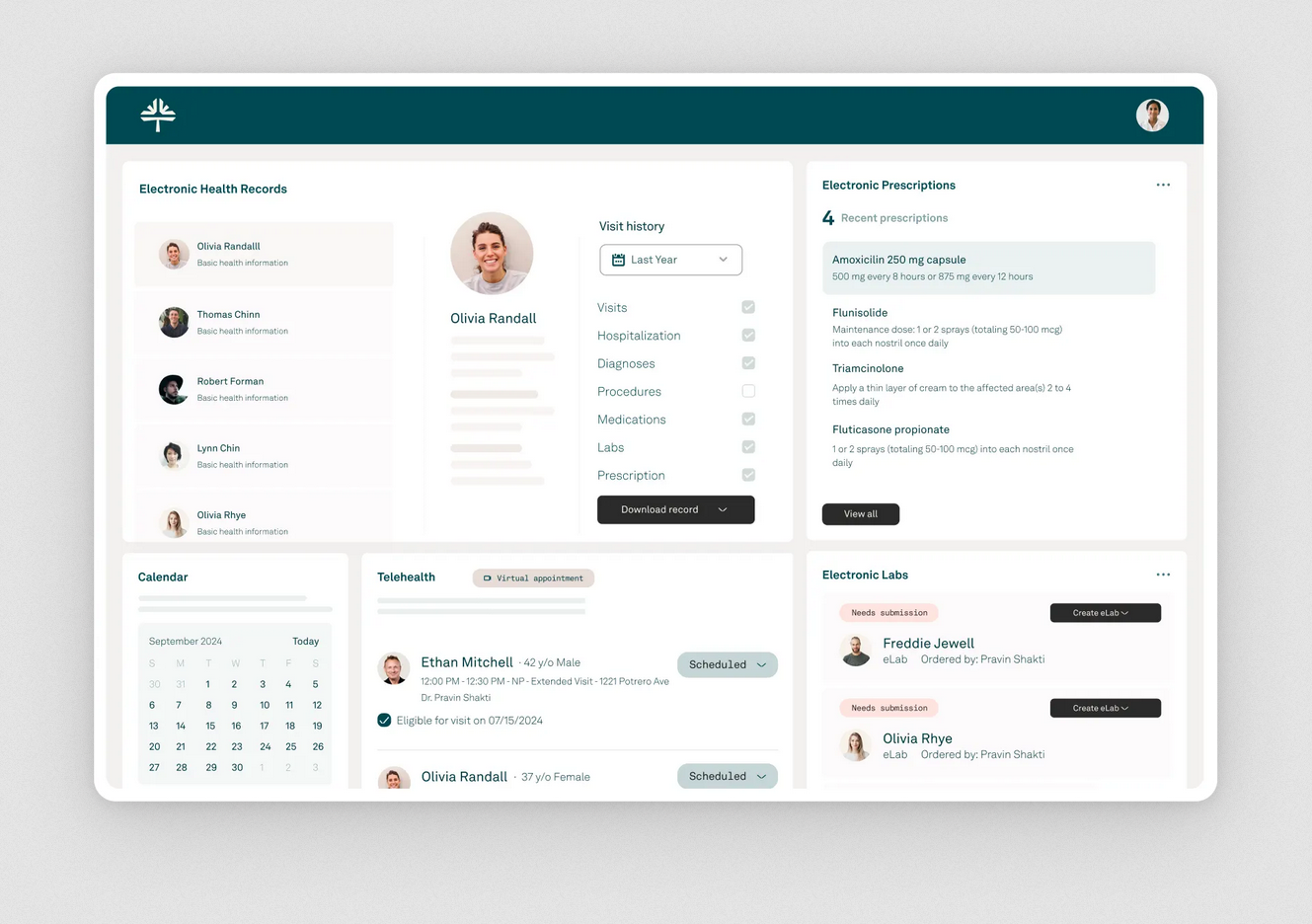
- Key Features: Automated claims scrubbing, centralized dashboard for financial reporting, and a robust patient portal.
- Pros: Highly scalable for growing practices and offers deep customization for various medical specialties.
- Cons: The extensive feature set may require a steep learning curve for smaller administrative teams.
Tebra: Empowering Independent Practices
Formed through the merger of Kareo and PatientPop, Tebra focuses on the unique needs of independent healthcare providers. It provides an "all-in-one" solution that handles not only the back-office billing and compliance but also front-office marketing and patient engagement.
- Key Features: Integrated billing and clinical workflows, automated appointment reminders, and reputation management tools.
- Pros: User-friendly interface and excellent support for patient-provider communication.
- Cons: May lack some of the advanced enterprise-level features required by large hospital systems.
CareCloud: The AI-Driven Approach
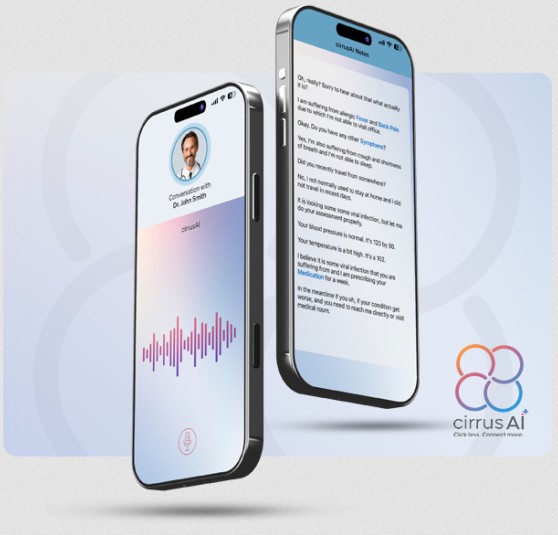
CareCloud has gained attention for its aggressive integration of artificial intelligence through its "cirrusAI" suite. This tool utilizes generative AI to assist in note-taking and coding, allowing physicians to focus more on patient care and less on documentation.
- Key Features: Ambient listening for clinical notes, AI-powered revenue cycle management, and advanced analytics.
- Pros: Reduces physician burnout by automating repetitive tasks and improves coding accuracy through predictive logic.
- Cons: Implementation of AI features can require significant initial configuration to align with specific practice patterns.
DrChrono: Mobile-First Healthcare Management
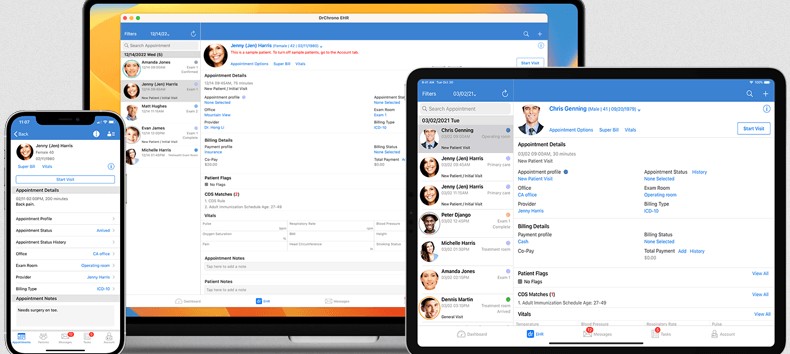
Recognizing the shift toward mobile technology, DrChrono offers a platform optimized for iPad and iPhone use. This allows providers to manage billing and coding tasks on the go, which is particularly beneficial for practitioners who move between different clinical settings.
- Key Features: Customizable medical forms, real-time eligibility checks, and a fully integrated billing service.
- Pros: Exceptional mobile experience and a highly flexible API for third-party integrations.
- Cons: Some users have reported that the web-based version is less intuitive than the mobile application.
CureMD: Telemedicine and Documentation Efficiency
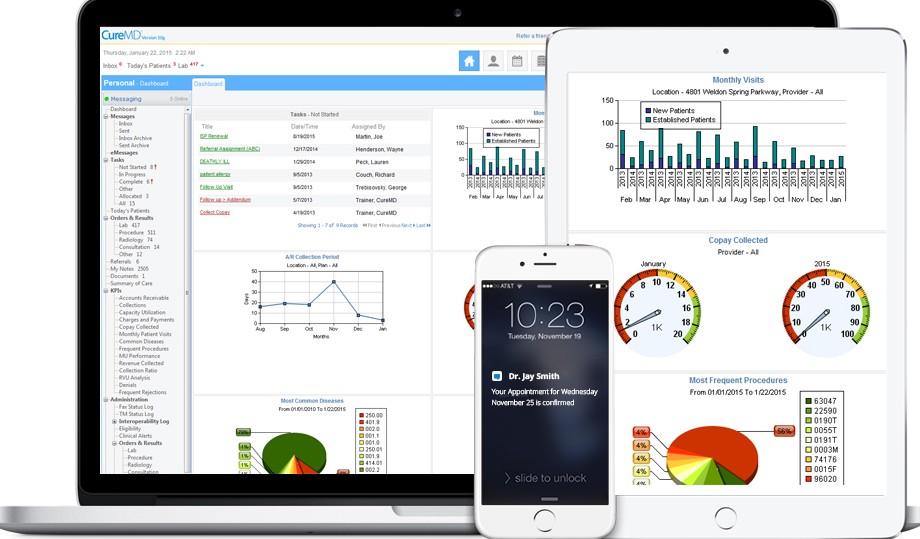
CureMD focuses on streamlining the documentation process through its AI medical scribe. By automatically generating documentation from patient encounters, it ensures that the codes assigned are directly supported by clinical evidence, a critical factor in maintaining HIPAA compliance and passing audits.
- Key Features: Enterprise EHR, integrated telemedicine module, and automated billing workflows.
- Pros: Strong focus on interoperability and ease of use for multi-specialty clinics.
- Cons: Customization options can be complex to navigate without dedicated IT support.
3M CodeFinder: The Logic-Driven Standard
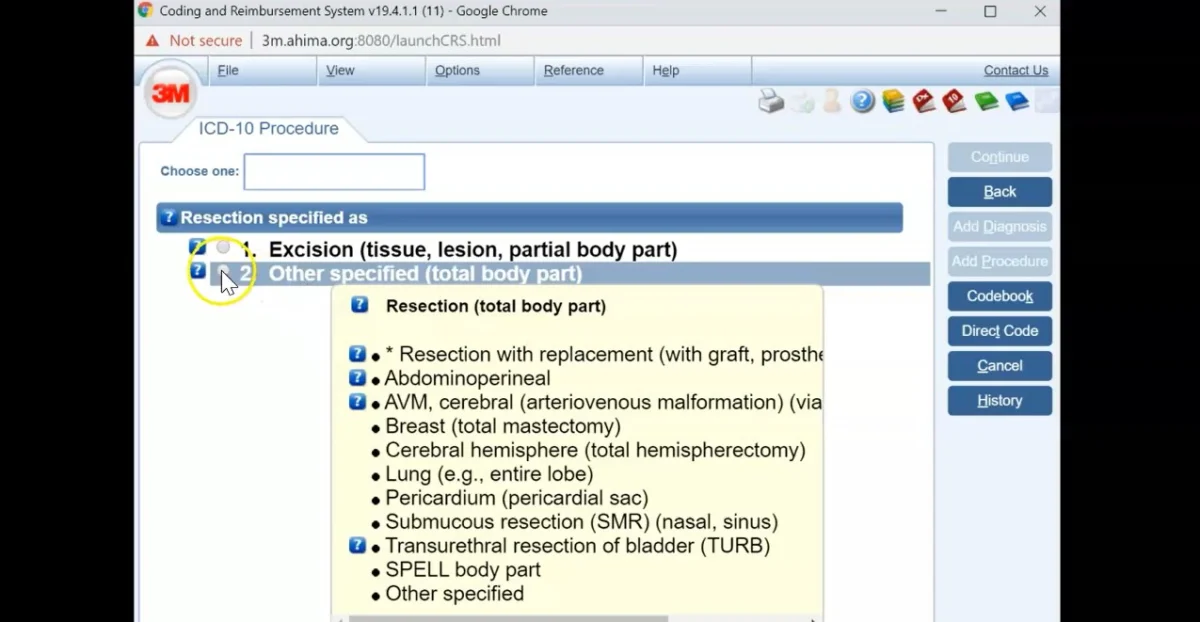
For larger institutions and hospitals, 3M CodeFinder remains a primary choice. It uses sophisticated logic-driven decision trees to guide coders through the ICD-10 and CPT selection process, ensuring that the most specific and accurate codes are utilized.
- Key Features: Logic-based code selection, frequent regulatory updates, and comprehensive classification guidelines.
- Pros: Extremely high accuracy rates and widely recognized as the industry standard for complex facility coding.
- Cons: High cost and specialized nature make it less suitable for small, independent practices.
Nuance Clintegrity: Integrated Record Management
Nuance, a Microsoft company, offers Clintegrity to bridge the gap between health information management (HIM) and clinical documentation improvement (CDI). It is designed to enhance coder productivity while maintaining a rigorous compliance posture.
- Key Features: Integrated record management, computer-assisted coding (CAC), and compliance monitoring.
- Pros: Seamless integration with other Nuance and Microsoft products and powerful data analytics.
- Cons: Primarily targeted at large health systems, which may make it inaccessible for smaller clinics.
Broader Impact and Industry Implications
The transition to automated compliance tools is more than a matter of convenience; it is a strategic imperative. As healthcare systems move toward "Value-Based Reimbursement," the quality of data becomes as important as the quantity of care. Inaccurate coding can lead to a misunderstanding of patient populations, skewed public health data, and significant financial instability for providers.
Industry experts suggest that the integration of AI into these platforms will continue to accelerate. The goal is a "frictionless" billing environment where codes are generated in real-time as a physician speaks with a patient, checked instantly against insurance requirements, and submitted before the patient even leaves the office. This would not only reduce the "days in accounts receivable" for providers but also provide patients with more transparent and immediate information regarding their out-of-pocket costs.
Furthermore, the focus on compliance protects the sanctity of the patient-provider relationship. By ensuring that PII is handled through secure, encrypted, and audited channels, healthcare organizations can mitigate the risk of data breaches, which currently cost the healthcare sector more per record than any other industry.
In conclusion, while the administrative landscape of healthcare remains daunting, the evolution of medical billing and coding compliance software offers a pathway to sustainability. By leveraging these tools, healthcare providers can ensure they remain compliant with ever-changing global regulations while reclaiming the time and resources necessary to focus on their primary mission: delivering high-quality patient care. The selection of the right tool—whether it be the AI-forward approach of CareCloud or the logic-driven precision of 3M—depends on the specific scale and needs of the practice, but the shift toward automation is an undeniable necessity in the modern era.