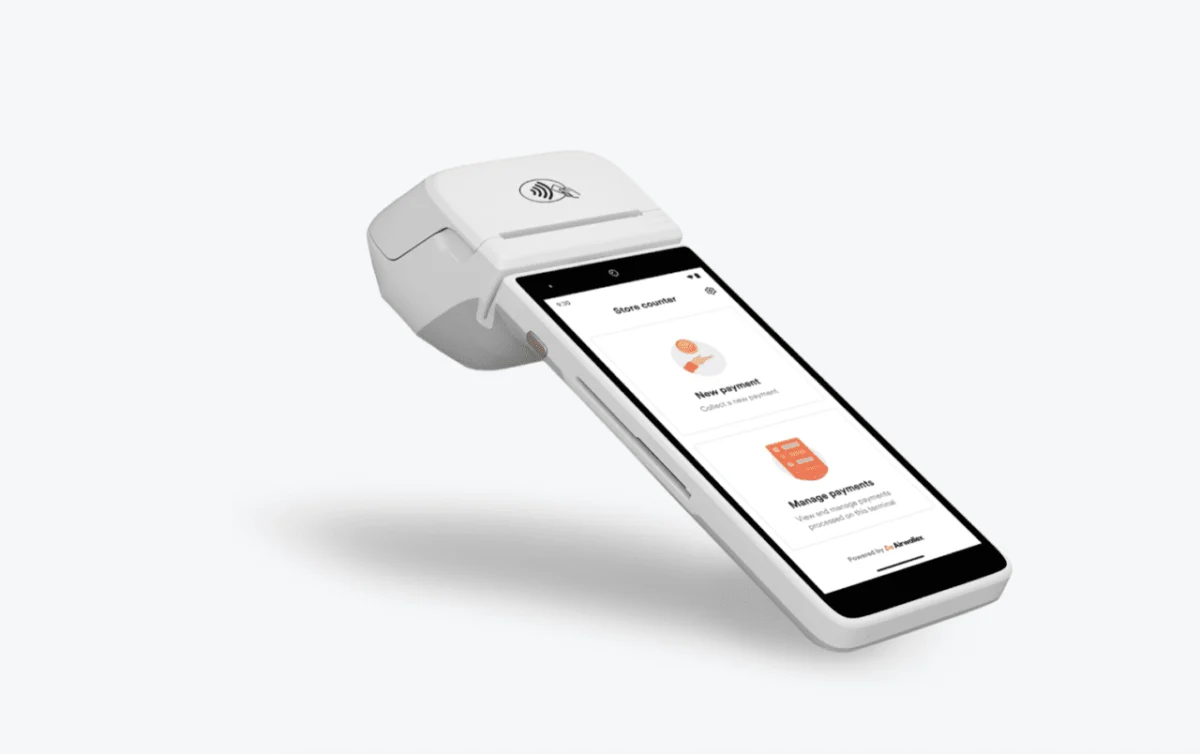
While a significant segment of the global payments industry continues its relentless pursuit of increasingly sophisticated, agentic, and fully automated digital payment solutions, Airwallex, the Singapore-based fintech giant, has strategically pivoted its focus, bringing its innovative capabilities to the tangible realm of physical retail. This week, the company officially announced the launch of Airwallex POS Payments, a dedicated physical point-of-sale (POS) device designed to seamlessly integrate with its existing robust commerce stack. This move signifies a crucial step in the company’s evolution, aiming to dismantle the longstanding silos between online and in-store payment experiences and provide a truly unified commerce foundation for businesses operating across diverse global markets.
The introduction of Airwallex POS Payments is a direct response to the evolving demands of modern retail. In an era where consumers fluidly transition between digital storefronts and brick-and-mortar locations, merchants are increasingly challenged to provide consistent, frictionless, and cohesive payment experiences across all touchpoints. The new physical device is engineered to address this fragmentation head-on. By unifying online and in-store payment flows, the system empowers merchants to achieve unparalleled consistency in payment processing, streamline reporting mechanisms, and deliver a uniformly superior customer experience, regardless of the sales channel. This comprehensive integration offers enterprise retailers enhanced visibility and granular control over their multi-channel operations, while simultaneously providing Software-as-a-Service (SaaS) platforms with the invaluable ability to embed in-store payment functionalities directly into their proprietary products, thereby expanding their service offerings and strengthening their ecosystem.
In an official statement accompanying the launch, Airwallex underscored the strategic significance of this development: "By extending our global financial platform to the physical countertop, we’re bringing online and in-store payments together, reducing the fragmentation that has long held in-store payments back, and giving enterprises a truly global foundation for growth." This declaration highlights Airwallex’s ambition to not only compete in the physical POS market but to redefine it by leveraging its existing international infrastructure and regulatory framework to create a truly global, unified commerce solution.
The Evolving Landscape of Point-of-Sale Systems and Unified Commerce
The concept of a point-of-sale system has undergone a dramatic transformation since its inception. From rudimentary cash registers to sophisticated electronic terminals, and then to mobile POS (mPOS) devices, the technology has continuously adapted to merchant needs and consumer expectations. The advent of e-commerce initially created a divide, pushing payment innovations primarily online. However, as digital and physical retail began to converge, the imperative for "unified commerce" emerged. Unified commerce is not merely about having multiple channels (omnichannel); it’s about integrating those channels so deeply that they operate as one cohesive system, sharing data, inventory, and customer insights to provide a seamless journey.
Before Airwallex’s entry, many merchants, particularly larger enterprises with complex operations, struggled with disparate systems for online sales, physical store transactions, and international payments. This often resulted in reconciliation nightmares, inconsistent data, fragmented customer profiles, and a disjointed customer experience. A customer returning an online purchase to a physical store, for instance, might face delays or complications if the systems aren’t truly integrated. Airwallex’s new POS system directly targets these pain points, aiming to simplify operations, enhance data analytics, and ultimately drive greater efficiency and profitability for businesses navigating the complexities of modern global trade.
Airwallex’s Trajectory: From Cross-Border Payments to Global Financial Infrastructure
Founded in 2015, Airwallex quickly established itself as a formidable player in the global fintech landscape, initially focusing on streamlining cross-border payments for businesses. Recognizing the inherent challenges and inefficiencies in international money transfers, the company built a robust financial infrastructure designed to facilitate faster, cheaper, and more transparent transactions across different currencies and regions. This foundational expertise in global payments and regulatory compliance has been central to its rapid expansion and ability to secure a vast network of licenses.
Over the years, Airwallex has diligently expanded its global footprint and regulatory capabilities. The company now holds nearly 90 regulatory licenses and permits across 50 markets, enabling its customers to operate seamlessly in over 200 countries and regions. This extensive regulatory framework is a critical competitive advantage, allowing Airwallex to offer multi-currency checkout at scale and manage funds across diverse jurisdictions with compliance and efficiency. The year 2025 alone marked a significant period of acceleration for the company, as it extended its regulated and local capabilities across 12 new markets. These strategic expansions included securing licenses and launching products in key economies such as France, the Netherlands, Israel, Canada, Korea, Japan, New Zealand, Malaysia, Vietnam, Brazil, Mexico, and the UAE. Each new market entry not only broadens Airwallex’s reach but also deepens its understanding of local payment ecosystems and regulatory nuances, strengthening its overall global platform.
Intensified Competition and Airwallex’s Strategic Differentiators
The introduction of physical POS devices places Airwallex squarely in competition with established giants in the payment processing and hardware space, most notably Square (now Block Inc.) and Stripe. Square, a pioneer in the mobile POS hardware space, revolutionized small business payments by offering affordable, easy-to-use card readers and a comprehensive ecosystem of business tools. Stripe, while primarily known for its online payment processing solutions, has also expanded into the physical POS realm with its Stripe Terminal offerings, demonstrating the broader industry trend towards unified commerce. It is noteworthy that Stripe had reportedly offered to acquire Airwallex in 2019 for a substantial $1.2 billion, an offer Airwallex ultimately declined, indicating its strong belief in its independent growth trajectory and long-term vision.
However, Airwallex enters this competitive arena with several distinct advantages, particularly in certain strategic regions. A prime example is Japan, where the company holds a coveted banking license. This license is a game-changer, as it allows Airwallex to own both the backend banking infrastructure and the front-facing software. This unique position means that when a merchant processes a payment through Airwallex’s POS system in Japan, Airwallex can directly hold the funds, rather than being merely a payment facilitator that must transfer funds to the merchant’s primary bank account.
This vertical integration offers a multitude of benefits. For merchants, it can translate into faster settlement times, potentially lower transaction fees due to fewer intermediaries, and a more streamlined financial reconciliation process. For Airwallex, it provides greater control over the entire payment lifecycle, deeper insights into transaction data, and the ability to innovate more rapidly on both the banking and payment processing fronts. This direct ownership of the financial rails, combined with its extensive global licensing, provides Airwallex with a formidable competitive edge that Square and Stripe, while dominant in their respective core markets, may not possess to the same degree across all international territories.
Global Market Dynamics and Supporting Data
The global point-of-sale (POS) terminals market was valued at approximately USD 81.3 billion in 2023 and is projected to reach over USD 150 billion by 2032, growing at a compound annual growth rate (CAGR) of around 6.5% during the forecast period. This robust growth is fueled by the ongoing modernization of retail infrastructure, the increasing adoption of digital payments, and the growing demand for integrated payment solutions. While e-commerce continues its upward trajectory, accounting for an ever-larger share of total retail sales (e.g., reaching over 20% in many developed markets), physical retail remains a cornerstone of the global economy. Consumers still frequent brick-and-mortar stores for experiential shopping, immediate gratification, and personalized service, underscoring the enduring relevance of effective in-store payment solutions.
The rise of contactless payments, mobile wallets (such as Apple Pay and Google Pay), and QR code-based payments has further diversified the payment landscape at the physical point of sale. Merchants are under pressure to accept a wide array of payment methods to cater to evolving consumer preferences. A unified POS system like Airwallex’s, which can handle multiple payment types and integrate with online channels, becomes an indispensable tool for merchants aiming to optimize their operations and enhance customer satisfaction. The fintech industry, which has seen significant investment globally, plays a pivotal role in driving these innovations, with companies like Airwallex at the forefront of leveraging technology to simplify complex financial processes.
Broader Impact and Implications
Airwallex’s foray into physical POS hardware represents a strategic deepening of its ecosystem and a broadening of its target market. By offering an end-to-end solution that spans online and offline transactions, the company is positioning itself as a comprehensive global financial platform for businesses, rather than solely a cross-border payments specialist.
- For Merchants: This launch is expected to be particularly appealing to enterprise-level retailers and businesses with significant international operations. They stand to benefit from reduced operational complexities, improved financial reporting, and the ability to offer a truly seamless customer experience across their global footprint. The consolidation of payment data also opens avenues for more sophisticated analytics, enabling better decision-making regarding inventory, marketing, and customer engagement strategies.
- For the Payments Industry: The move signals a continued trend towards consolidation and integration within the payments sector. As fintech companies mature, they are increasingly seeking to own more of the payment value chain, from infrastructure to consumer-facing interfaces. Airwallex’s unique position of combining backend banking licenses with frontend POS solutions in certain markets could set a new benchmark for integrated payment offerings, potentially pushing competitors to re-evaluate their own strategies.
- For Airwallex’s Growth Strategy: This expansion diversifies Airwallex’s revenue streams beyond its core cross-border payment services. It strengthens its value proposition to existing clients by offering a more complete suite of financial tools and makes its platform more attractive to new enterprise clients looking for a single global partner for all their payment needs. The ability to directly capture in-store transaction data also enhances the company’s overall data intelligence, which can be leveraged for future product development and risk management.
Geographic Rollout and Future Outlook
The new Airwallex POS Payments device is currently available across key regions, including the UK, Europe, Hong Kong, and Singapore. These markets were likely chosen due to Airwallex’s established presence, regulatory approvals, and strong merchant networks. The company has ambitious plans for further expansion, with imminent launches slated for Australia and the United States. The US market is particularly significant, given its size and the sheer volume of businesses, where Airwallex currently serves approximately 46,000 enterprises with its existing suite of services. The successful rollout in these major economies will be critical in solidifying Airwallex’s position as a global leader in unified commerce.
Looking ahead, Airwallex’s move into physical POS payments is not merely about hardware; it’s about building an intelligent, interconnected global financial platform. As businesses continue to navigate the complexities of international trade and evolving consumer behaviors, solutions that simplify operations, enhance data insights, and provide a seamless experience across all channels will be paramount. By strategically focusing on unifying online and offline payments, Airwallex is positioning itself at the forefront of this transformation, ready to empower the next generation of global enterprises.