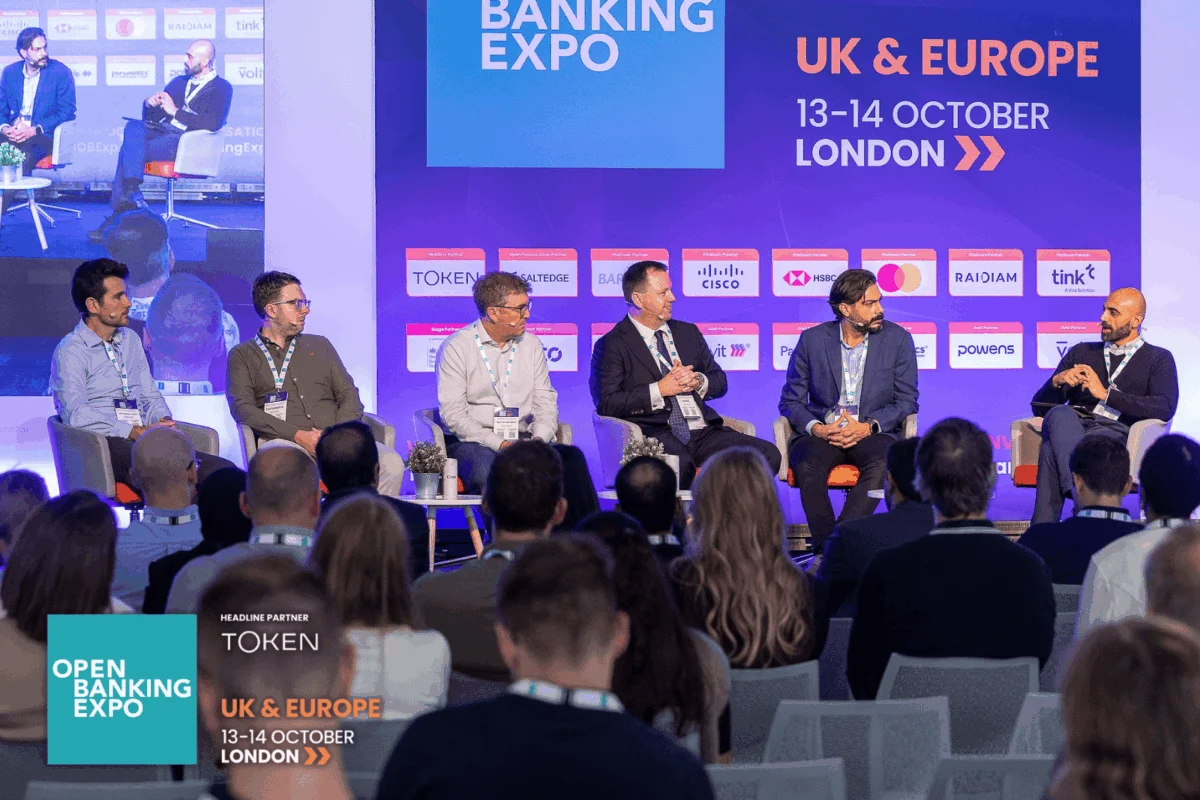
The European financial services landscape is undergoing a profound structural evolution, shifting away from a regime dictated strictly by mandatory regulatory edicts toward an era defined by robust commercial viability, market-driven innovation, and advanced technological integration. This transition took center stage at the Open Banking Expo UK & Europe 2026, where a high-profile panel of industry leaders—representing HSBC, NatWest, Santander, Nordea, and Open Banking Limited—converged to dissect the financial architecture required for the next decade of growth.
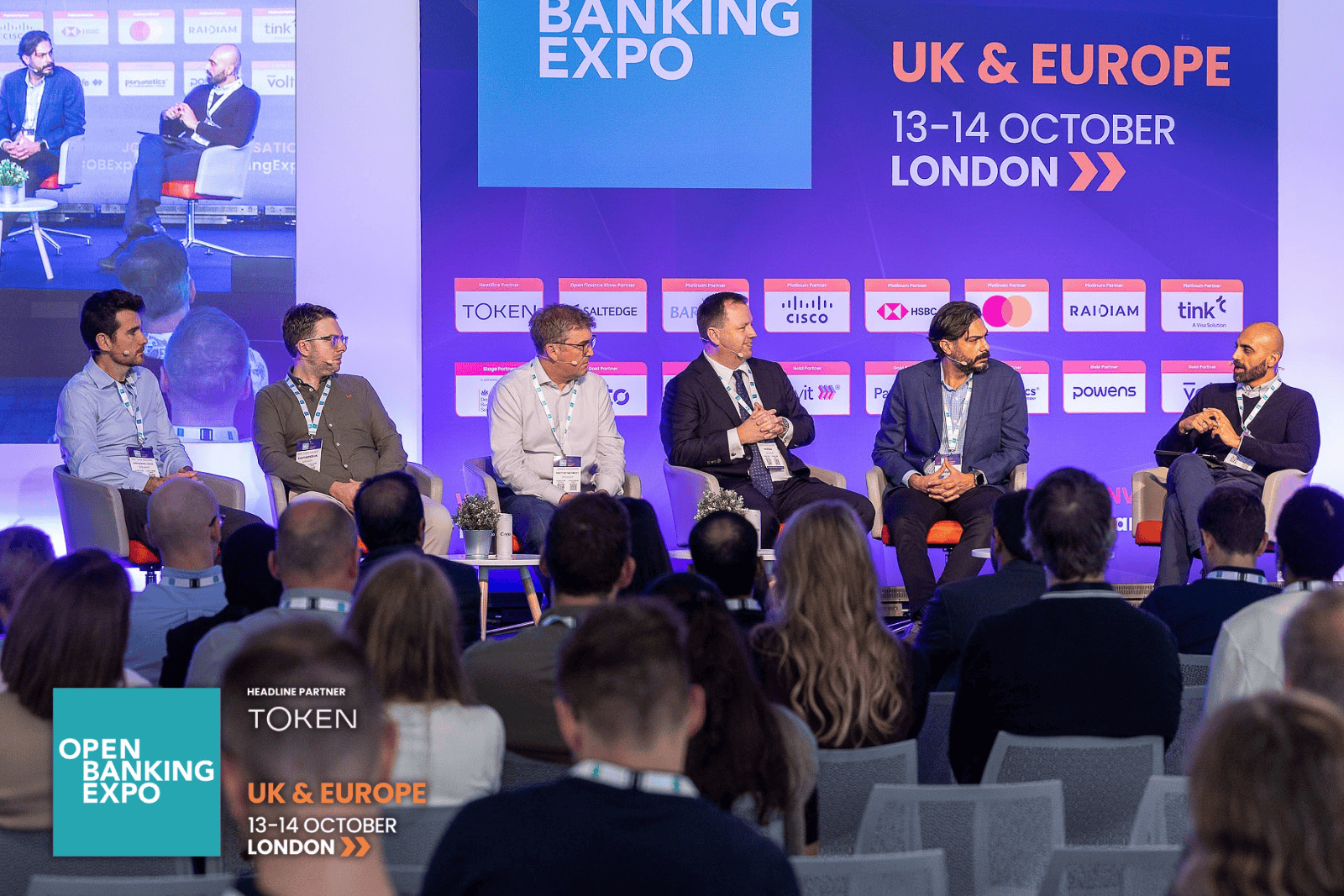
The discussion, formally titled The economics of Open Banking: Building sustainable commercial models, was moderated by Wasim Mushtaq, founder of 1CG. It addressed the complex intersection of shared incentives, technical standardisation, premium application programming interfaces (APIs), and the transformative potential of artificial intelligence (AI) and Open Finance.
Main Facts and the Strategic Shift to Commercial Sustainability
For years, the foundational architecture of Open Banking was driven primarily by regulatory mandates, most notably the Second Payment Services Directive (PSD2) in Europe and the UK Competition and Markets Authority’s (CMA) Open Banking remedy roadmap. While these regulatory instruments successfully broke open legacy banking silos and established baseline interoperability, they largely left financial institutions grappling with high infrastructure costs and limited avenues for direct monetisation.
The 2026 Open Banking Expo discussions highlighted a definitive turning point: banks are no longer participating merely to maintain compliance, but because sustainable, revenue-generating commercial models are finally taking root. Central to this evolution is the emergence of the UK Payments Initiative (UKPI), variable recurring payments (cVRP) frameworks, and commercial access fees designed to fairly compensate account-servicing payment service providers (ASPSPs) for maintaining high-performance, secure payment infrastructure.
Chronology and Background: From PSD2 to the UKPI Era
To understand the current state of Open Banking, one must evaluate the chronology of its development. The journey began in earnest during the mid-2010s, culminating in the legal mandate of PSD2 across the European Economic Area in 2018 and the concurrent rollout of the UK Open Banking Standard. During this initial phase (2018–2021), the primary objective was building secure data-sharing plumbing, consumer consent frameworks, and foundational APIs.
By 2022 and 2023, the industry entered an expansion phase characterised by the rapid growth of account-to-account (A2A) payments and early experimentation with commercial VRPs for sweeping and low-risk recurring payments. However, disagreements over liability, pricing, and the lack of a unified commercial framework often slowed broader enterprise adoption.
The years 2024 through 2026 have marked the advent of formalised commercial frameworks. The establishment of the UK Payments Initiative (UKPI) represents a watershed moment in this timeline. By introducing structured shareholder models and access fees, UKPI has successfully bridged the gap between fintech innovators and traditional banking institutions, creating an equitable environment where all stakeholders can invest with the expectation of a financial return.
Supporting Data and Regional Insights: The Nordic Benchmark and UK Metrics
Empirical evidence presented at the expo demonstrated that commercial models, when executed correctly, yield massive transactional volume. Sören Rode Jain Andreasen, head of daily banking & channels at Nordea, provided compelling metrics from the Nordic market, illustrating how an innovation-first mindset can far outpace mandatory regulatory baselines.

Nordea is currently on track to process approximately 100 million Open Banking transactions per month across Denmark, Norway, Sweden, and Finland, aggregating to an astonishing 1.2 billion transactions annually. Crucially, Andreasen noted that approximately one-third of this immense activity stems from premium, paid-for services that transcend the basic requirements of PSD2.
Furthermore, the Nordic ecosystem benefits from highly mature, universally adopted digital identity frameworks. In Sweden, for instance, data-sharing capabilities have successfully expanded beyond standard checking and savings accounts to encompass complex asset and liability portfolios. This comprehensive data visibility facilitates advanced, data-driven propositions in wealth management, investment advisory, and digital lending. Andreasen suggested that the UK and broader European markets could accelerate their own commercial trajectories by adopting this use-case-driven philosophy, focusing intently on solving explicit consumer friction points rather than building generic technical capabilities.
Official Responses and Perspectives from Major Financial Institutions
The panel featured detailed insights from leading executives, each outlining how their respective institutions are navigating and accelerating the commercialisation of open banking and open finance.
George Miltiadous, head of Open Banking at HSBC, underscored the monumental psychological and operational shift occurring within traditional banking boardrooms.
“Historically, banks have invested in Open Banking so as to comply with regulatory requirements. We’re now increasingly moving to a place where we’re investing because there is genuine commercial incentive for us to do so,” Miltiadous stated.

Miltiadous emphasised that UKPI has drastically reduced the cost and operational friction of innovation by eliminating the need for complex, bilateral commercial negotiations and fragmented technical integrations. Nevertheless, he noted that as the commercial scheme scales, the industry must prioritise robust purchase protection mechanisms, transparent liability frameworks, and streamlined dispute resolution processes to build unshakeable consumer trust.
Matthew Haines, managing payments and propositions at Santander, spoke on the multi-dimensional value of Open Banking investments. Santander’s strategic deployment of open banking began with targeted payment journeys for credit card repayments, subsequently expanding to encompass current account and savings account funding, alongside Request-to-Pay capabilities.
Haines cautioned financial institutions against evaluating Open Banking investments solely through the narrow lens of direct transaction fee revenue. Instead, he urged executives to measure success across a broader matrix of business value, including enhanced digital engagement metrics, reduced customer acquisition costs, lower churn rates, and improved customer lifetime value.
“What we’ve seen from the payment standpoint is that we’ve now been able to comparatively speaking deliver journeys a lot quicker than we did that initial use case,” Haines noted, highlighting the compound efficiency gains derived from building reusable technical components. “I think there is an element of rethinking the value case, and not just looking at specifically in terms of direct revenue opportunities, but looking at ways that you can derive value more broadly than that.”
James Hodgson, chief executive officer of Tyl by NatWest & Payit by NatWest, focused on the surging confidence observed among enterprise-grade merchants. As regulatory backing solidifies and commercial frameworks like UKPI mature, large corporate entities from traditional non-financial sectors—such as retail, utilities, and telecommunications—are actively integrating account-to-account payment options into their checkout systems.
“We see it in our pipelines,” Hodgson told delegates, pointing out that enterprise adoption is rapidly moving out of the proof-of-concept phase and into mainstream deployment. NatWest has continued to invest heavily in premium Open Banking APIs and commercial VRPs to support this enterprise demand.

Hodgson also elevated the conversation beyond payments, identifying Open Finance data as the ultimate catalyst for structural transformation. “I absolutely think that data is the bigger opportunity. I think it’s the more transformational opportunity,” he asserted.
Matthew Wallace, head of standards at Open Banking Limited, addressed the foundational necessity of technical standardisation. As the ecosystem expands into commercial services, Wallace warned against the perils of market fragmentation. He argued that maintaining a single, interoperable technical baseline is critical to ensuring that third-party providers (TPPs) and banks can innovate rapidly without duplicating foundational engineering efforts. Wallace stressed that collaboration between regulatory bodies, legacy financial institutions, and fintech startups remains the single most important prerequisite for achieving the critical mass required for new payment schemes to succeed sustainably.
The Convergence of AI and Open Finance: Unlocking Actionable Intelligence
Beyond the mechanics of payment initiation, the expo deep-dived into the convergence of Open Finance data and artificial intelligence. The paned agreed that the true commercial potential of the next phase lies not merely in displaying financial data to consumers, but in leveraging AI to translate those insights into automated, practical consumer actions.
Sören Rode Jain Andreasen contrasted internal, embedded AI banking assistants with external conversational platforms. He highlighted that AI embedded directly within a secure banking application possesses a distinct competitive advantage: it can seamlessly merge granular financial insights with execution capabilities, such as automatically reallocating surplus funds into high-yield savings, optimising recurring subscription outlays, or initiating investments.
George Miltiadous echoed this sentiment, noting that combining predictive data analytics with real-time payment initiation and instantaneous account opening allows financial institutions to pivot from passive advisory roles to active outcome-driven facilitators.

Matthew Wallace added that Open Banking’s rigorous, battle-tested principles regarding customer consent, strong customer authentication (SCA), and data privacy can serve as a secure, foundational trust layer for the proliferation of AI-enabled financial services. Furthermore, Wallace highlighted that generative AI and large language models could soon be deployed to simplify complex API documentation and accelerate developer onboarding, drastically lowering development costs and barriers to entry for emerging fintech entrants.
Fact-Based Analysis of Implications for the Financial Ecosystem
The consensus emerging from the Open Banking Expo UK & Europe 2026 signals that the European and UK financial sectors have successfully navigated the turbulent compliance phase of open banking and are entering a mature, highly lucrative commercial epoch.
Several critical implications arise from these developments:
- Margin Compression in Legacy Payments: As enterprise merchants increasingly adopt account-to-account rails via commercial VRPs and schemes like UKPI, traditional card-acquiring networks will face mounting pressure to compete on price, speed, and settlement finality.
- Redefining Bank Business Models: Financial institutions that treat Open Banking strictly as a cost center will likely fall behind. Conversely, banks that embrace the multi-dimensional value thesis—monetising premium APIs while using embedded data to cross-sell holistic wealth and lending solutions—will secure disproportionate market share.
- The Rise of Autonomous Finance: The fusion of Open Finance data with secure AI execution agents will likely disrupt traditional personal financial management (PFM). Consumers will increasingly delegate day-to-day financial housekeeping to automated agents capable of switching utility providers, paying down debt optimally, and managing liquidity across multiple financial institutions in real time.
- Regulatory Evolution: As commercial models scale, regulatory scrutiny will likely shift from mandatory access enforcement to ensuring fair competition, robust dispute resolution mechanisms, and transparent data usage protocols within AI-driven financial ecosystems.
Conclusion: Translating Vision into Scalable Execution
The collaborative visions outlined by HSBC, NatWest, Santander, Nordea, and Open Banking Limited demonstrate an industry reaching operational maturity. By establishing equitable commercial frameworks such as the UK Payments Initiative, proving the viability of premium APIs, and harnessing artificial intelligence to unlock the deep utility of Open Finance, the financial sector is poised for exponential growth.

The primary challenge for the remainder of 2026 and beyond will be translating these sophisticated technological and commercial frameworks into seamless, highly scalable propositions that deliver unmistakable, tangible value to both enterprise merchants and everyday consumers.