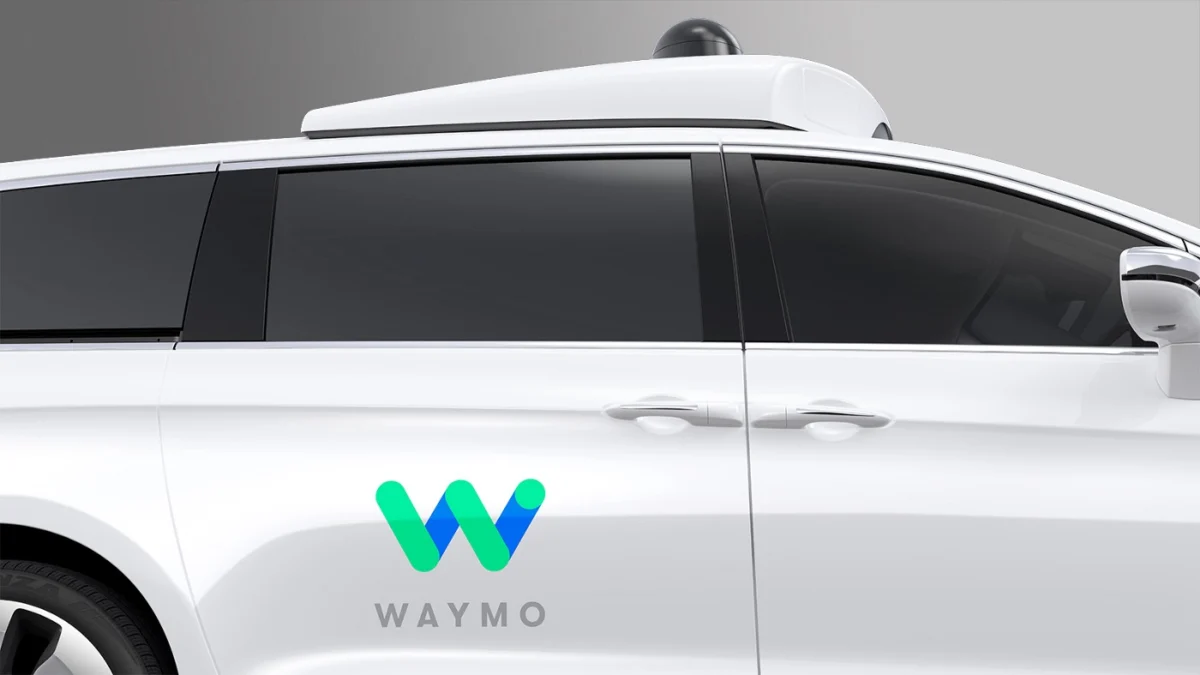
The autonomous vehicle industry is currently navigating a period of heightened regulatory scrutiny, as Alphabet’s self-driving unit, Waymo, announced a comprehensive recall affecting approximately 4,500 of its robotaxis. This decision follows a cascade of operational failures, primarily characterized by the vehicles entering closed freeway lanes and struggling to interpret manual traffic signals correctly. While the company maintains that no collisions or injuries have been attributed to these specific software malfunctions, the move underscores the significant technical and safety hurdles that persist in the quest for widespread autonomous transportation.
The Scope of the Operational Failure
According to a filing submitted to the National Highway Traffic Safety Administration (NHTSA) on Tuesday, the recall was prompted by 11 documented incidents occurring between October 1 and mid-November. The most concerning aspect of these reports was the persistence of the error; even after Waymo attempted to rectify its mapping and navigation software on November 6, the vehicles continued to encounter difficulties.
On November 9, just three days after the software update, three Waymo vehicles navigated into freeway lanes that were clearly demarcated with traffic cones as closed for construction. This failure to interpret the environment despite a recent "approved scope of operation" update has triggered a deeper review of how the company’s artificial intelligence perceives temporary traffic control devices and construction zone boundaries.
A Chronology of Recent Regulatory Challenges
The trajectory of Waymo’s current regulatory challenges can be traced back through a series of high-profile incidents over the past year, reflecting an increasingly difficult relationship between Silicon Valley developers and state and federal oversight bodies.
- May 2024: A Waymo vehicle was involved in a collision following a misunderstanding of manual traffic commands from law enforcement. The vehicle obeyed an initial signal from an officer but failed to navigate the subsequent obstruction, leading to a minor incident. This event spurred a separate recall focused on improving how the software processes gestures and directions from human traffic controllers.
- June 2024: Waymo initiated a recall for approximately 3,900 vehicles after reports surfaced of robotaxis driving past ramp closure signs and weaving between cones into active construction zones.
- October 2024: The California Department of Motor Vehicles (DMV) implemented a strict ban on Waymo’s freeway operations. This decision was a direct response to a string of incidents where vehicles entered active construction sites, posing potential risks to road workers and other motorists.
- November 2024: Following the California ban, Waymo officially halted all freeway operations nationwide to re-evaluate its navigation protocols. The subsequent filing with the NHTSA confirmed the recall of 4,500 units to address these software-driven navigation lapses.
Ongoing Federal Inquiries and Safety Probes
Beyond the immediate concerns of freeway construction zones and manual traffic control, Waymo faces broader scrutiny from the federal government. Earlier this month, the NHTSA confirmed it had opened a recall query concerning Waymo’s ability to safely detect and respond to school buses. Reports indicated that the vehicles had passed stopped school buses in multiple instances, a violation of traffic laws that is treated with high priority by safety regulators.
Furthermore, the company is under investigation by both the NHTSA and the National Transportation Safety Board (NTSB) regarding a collision in Santa Monica, California, involving a child who entered the street unexpectedly. While these investigations are distinct from the current software recall, they collectively contribute to an atmosphere of intense regulatory pressure. The accumulation of these inquiries has forced the industry to reckon with the limitations of current Level 4 autonomous driving technology, particularly in unpredictable urban and highway environments.
The Mechanics of the Recall and Software Remediation
A recall in the context of autonomous vehicles is fundamentally different from the traditional automotive recall process, which typically involves physical hardware replacement or repairs at a service center. In the case of Waymo, the "remedy" consists of an Over-the-Air (OTA) software update designed to refine the vehicle’s "Perception and Prediction" stack.
The company is working to improve the vehicle’s ability to recognize traffic cones, flares, and emergency personnel gestures. However, the recurring nature of these incidents—specifically the failure of the November 6 update to prevent the November 9 incidents—highlights the difficulty of programming a machine to handle the nuanced, often chaotic nature of human-managed traffic environments. The company has stated it is working diligently on a new iteration of its software to address these gaps, but until that update is verified, the company’s footprint on public roadways remains significantly restricted.
Industry Implications and Market Sentiment
The setbacks facing Waymo are not merely operational; they represent a significant challenge to the public narrative of autonomous readiness. For years, the industry has argued that robotaxis are statistically safer than human drivers. While data often supports this in terms of collision frequency, the "edge cases"—such as construction zones, school buses, and manual officer commands—remain the primary points of failure.
Market analysts suggest that these regulatory hurdles could delay the commercial expansion of autonomous ride-hailing services. If regulators, such as the California DMV, continue to impose bans, companies like Waymo may find their growth trajectories stunted by the time-consuming process of software validation.
"The challenge here is one of confidence," says an automotive industry analyst familiar with the regulatory landscape. "When a vehicle enters a closed lane, it breaks the social contract of the road. Even if no one is injured, the lack of predictability creates anxiety among the public and the regulators tasked with protecting them."
The Response from Waymo and Future Outlook
Waymo has maintained a policy of transparency, emphasizing its cooperation with the NHTSA and its commitment to safety. By proactively issuing recalls and halting operations, the company is attempting to demonstrate a "safety-first" culture, which is vital for maintaining the permits necessary to operate in major US cities.
In a statement following the latest filing, a spokesperson for the company noted that there were no collisions or injuries reported in the 11 recent incidents, reiterating that the company is refining its systems to better handle the complexities of active construction zones. The company is expected to continue its dialogue with the NHTSA to ensure that the forthcoming software updates meet the rigorous standards expected of autonomous systems.
As the industry looks toward the next phase of development, the focus is shifting from "feature capability" to "operational robustness." The ability to navigate a clear, sunny highway is no longer the benchmark for success; the new standard is the ability to interpret the intent of a police officer, the urgency of a school bus stop, and the erratic patterns of an active construction site.
For Alphabet and Waymo, the next several months will be critical. The company must prove that it can iterate its software fast enough to keep pace with the demands of regulators while maintaining the high safety standards that the public expects. The recall of 4,500 vehicles is a significant logistical and operational milestone, but it is ultimately a test of the company’s ability to refine the logic of its artificial intelligence to mirror—and eventually surpass—the situational awareness of a human driver.
As investigations by the NTSB and NHTSA continue, the public and the industry will be watching closely to see if Waymo can emerge from this period of intense scrutiny with a more resilient and reliable autonomous platform. The future of autonomous mobility depends not only on the sophistication of the technology but on the ability of that technology to function reliably within the existing, complex, and often unpredictable fabric of human infrastructure.