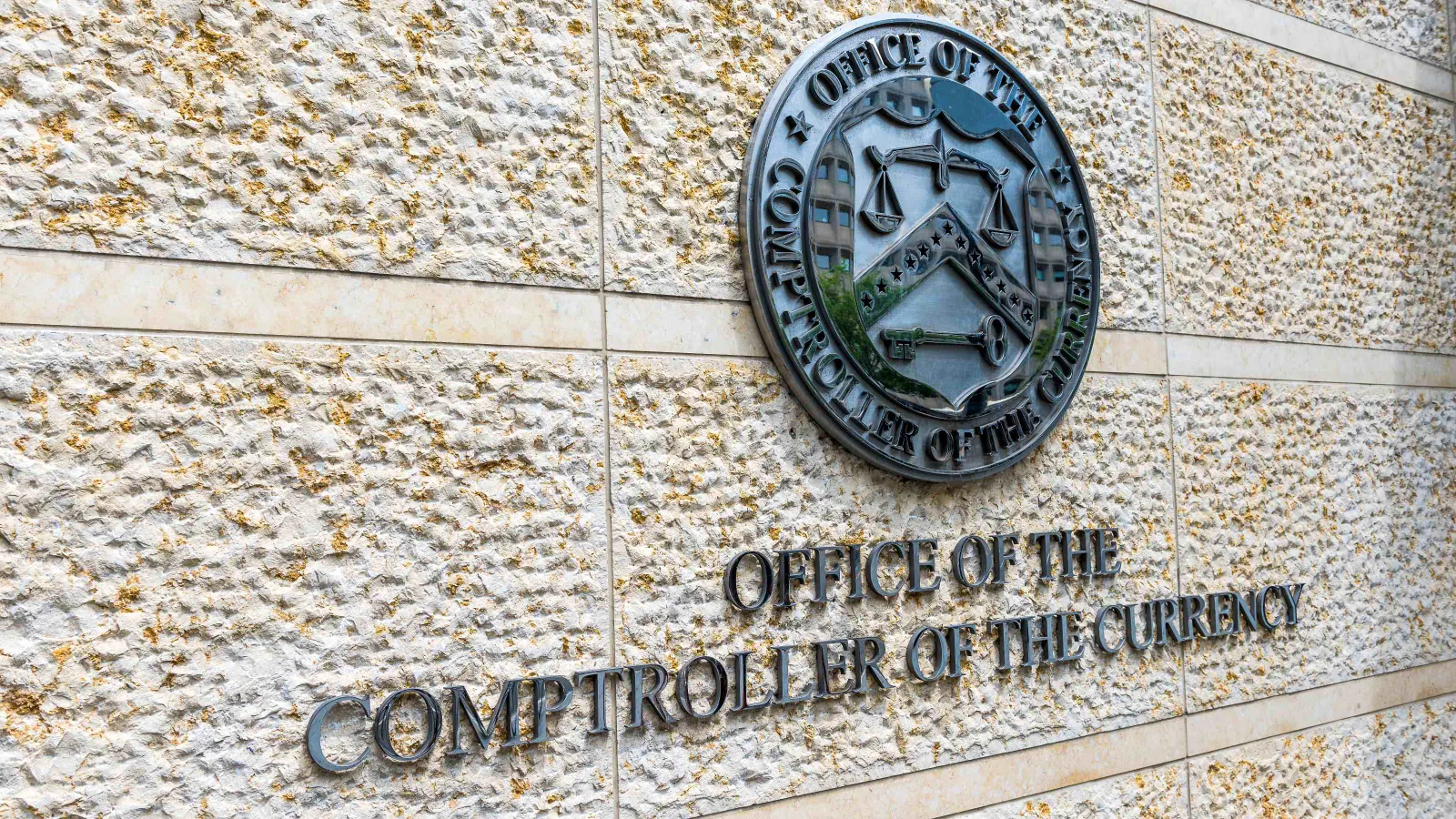
Embedded finance infrastructure provider Highnote has officially signaled its intent to transition from a technology partner to a regulated financial institution. In a strategic move announced via social media this week, the firm confirmed it has submitted applications to both the Office of the Comptroller of the Currency (OCC) and the Federal Deposit Insurance Corp. (FDIC) to establish Highnote Bank N.A. The company, which has built its reputation as a modern platform for card issuance and real-time payment processing, describes the proposed entity as a national bank purpose-built for the complexities of modern payment ecosystems.
This application marks a significant escalation in the company’s operational roadmap. Since its inception in 2020, Highnote has focused on providing a unified platform that allows enterprises—including industry stalwarts like BNY, Lowe’s, and cross-border specialist PingPong—to manage credit programs, facilitate real-time money movement, and issue payment cards through a single integration. By seeking a national bank charter, Highnote aims to internalize the banking services that it currently facilitates through partner banks, theoretically streamlining its compliance, ledger management, and capital efficiency.
The Strategic Rationale for Chartering
The pursuit of a national bank charter is an expensive and resource-intensive endeavor, often requiring years of preparation and significant capital reserves. For a firm like Highnote, the decision is rooted in the desire for structural simplicity. Currently, fintechs operating in the payments space must often navigate a "partnership model," relying on sponsor banks to provide the underlying regulatory infrastructure. While this model lowers the barrier to entry, it introduces dependencies on third-party risk appetites, varying compliance standards, and added cost layers.
By obtaining its own charter, Highnote intends to consolidate its infrastructure into a single, cohesive framework. As the company noted in its announcement, the charter represents the "natural next step" in its evolution, promising customers a singular integration point, a unified ledger, and a proprietary compliance program. This shift could potentially lower the cost of capital and provide the firm with greater autonomy over its product roadmap, allowing it to innovate at the ledger level rather than relying on the legacy systems of traditional partner institutions.
Leadership and Regulatory Expertise
To shepherd the application through the rigorous federal review process, Highnote has appointed Tim Bogan to lead the prospective bank. Bogan brings extensive experience in navigating the intersection of fintech and traditional banking. His tenure as chief risk officer, chief compliance officer, and chief audit executive at LendingClub is particularly relevant; he played a central role during the firm’s transformation into a digital bank following its $185 million acquisition of Radius Bank in 2020. That transition is widely cited in industry circles as a blueprint for non-bank entities looking to institutionalize their operations under the oversight of the OCC and the Federal Reserve.
Highnote has further bolstered its position by partnering with the Klaros Group, a regulatory consultancy that has been instrumental in several high-profile charter applications this year, including the conditional approval of Nubank’s application by the OCC. Legal counsel for the endeavor is being provided by Davis Polk & Wardwell, a firm with deep expertise in financial services regulation.
The Broader Landscape of De Novo Banking
The decision by Highnote to apply for a national charter coincides with a period of renewed activity in the de novo banking space. According to data from the OCC, the agency has received 56 applications for new bank charters since the start of 2025, with 28 of those reaching the approval stage. This trend reflects a broader shift among fintech firms that, having reached a certain scale, find that the benefits of becoming a "bank" outweigh the regulatory burden.
However, the path to approval is far from guaranteed. Regulators have maintained a cautious stance, particularly concerning firms that rely heavily on third-party technology or have business models heavily reliant on consumer lending. The OCC’s current leadership has emphasized that a functional chartering process is vital for the health of the financial system, arguing that it allows for the introduction of fresh capital and modern technology into the regulatory perimeter.
"It brings new capital and new ideas into institutions subject to federal supervision," Comptroller of the Currency Jonathan Gould stated recently. "That is especially important as technology changes how Americans expect to receive financial services."
Comparative Strategies: ILCs and Limited-Purpose Charters
Highnote is not the only player looking to formalize its status. The industry is currently witnessing a diverse range of approaches to achieving bank-like functionality. While some companies have opted for the traditional national bank route, others have sought alternative paths:
- Industrial Loan Companies (ILCs): Firms such as rent-fintech startup Flex and credit card issuer Upgrade have pursued ILC charters in states like Utah and Nevada. The ILC charter is often viewed as a strategic alternative, allowing companies to engage in banking activities without being classified as a bank holding company, which provides more flexibility for parent companies that are not primarily financial in nature.
- Merchant Acquirer Limited-Purpose Bank Charters: Some firms are targeting state-level charters, such as the special purpose bank acquirer charter in Georgia. Checkout.com recently received conditional approval for such a charter, illustrating a trend where payments companies seek specialized status that aligns specifically with their core business function rather than aiming for full-service retail banking.
The Regulatory Hurdles Ahead
Despite the potential advantages, industry experts warn that the transition to a bank is not a panacea for growth. Michele Alt, co-founder of the Klaros Group, emphasizes that the regulatory environment is unforgiving. "It is an expensive and complex undertaking," Alt noted, highlighting that banks are subject to stringent capital requirements, stress testing, and ongoing examinations that can be taxing for companies accustomed to the relative agility of the fintech sector.
"Being a bank is not for the faint of heart," Alt added. The requirement to maintain a minimum level of capital, coupled with the necessity of establishing a robust enterprise risk management framework, often forces a fundamental change in a company’s corporate culture. The focus must shift from rapid iteration and product-market fit to safety, soundness, and long-term regulatory compliance.
Economic and Competitive Implications
The emergence of "tech-first" banks has the potential to force incumbent institutions to accelerate their own digital transformation efforts. When a firm like Highnote gains the ability to offer a full suite of services under a federal charter, it introduces a new competitive dynamic in the business-to-business (B2B) payments space. By lowering friction for other businesses, Highnote is essentially expanding the addressable market for sophisticated payment tools.
This, in turn, pressures traditional banks to modernize their APIs, improve their settlement speeds, and offer more transparent pricing. If the trend of fintech-to-bank transitions continues, the divide between "fintech" and "bank" may continue to blur, leading to a hybrid landscape where the underlying technology determines the speed and efficiency of the economy.
Conclusion and Outlook
As of late 2026, the application from Highnote remains in the preliminary stages. Information regarding the specific business plan or the capitalization structure of Highnote Bank N.A. has not yet been reflected in the public records provided by the OCC. The success of the application will likely depend on the company’s ability to demonstrate that its technical infrastructure is resilient enough to meet the high standards of federal oversight and that its leadership team possesses the depth of experience required to operate a safe and sound institution.
The journey for Highnote will be closely monitored by competitors and regulators alike. Should the firm succeed, it will join a small but growing cohort of technology-native companies that have successfully integrated into the formal banking system. If it faces delays or rejection, it may serve as a reminder that the regulatory moat surrounding the U.S. banking industry remains a formidable barrier, one that requires more than just innovative code to cross. For now, the company remains focused on its core business, providing the plumbing for modern payments while awaiting the regulatory green light that could redefine its future.