The global creator economy has transformed from a loose collective of hobbyists and independent bloggers into a multi-billion-dollar commercial powerhouse, boasting an estimated 200 million participants worldwide. Yet, despite this astronomical growth and the increasingly professionalized nature of digital content creation, traditional financial institutions (FIs) remain largely detached from the sector. While innovative fintech companies such as Current and Chime have successfully integrated influencer marketing and targeted financial features to capture younger demographics, legacy banks continue to steer clear. This hesitance highlights a profound institutional misunderstanding of how the creator economy operates, resulting in a glaring void of tailored financial products.
According to research published by Mastercard, approximately 78% of individuals enter the creator economy specifically to achieve financial stability, viewing digital entrepreneurship as a viable and lucrative career path. Despite this strong financial motivation and the low barrier to entry, creators face persistent banking hurdles. Because legacy financial systems are built on predictable, recurring income models—such as traditional W-2 employment or brick-and-mortar small-to-medium-sized business (SMB) operations—they struggle to evaluate the unique financial profile of content creators. Consequently, banking solutions that address the erratic cash flows, multi-platform revenue streams, and specialized business needs of influencers remain exceptionally rare, representing a massive missed opportunity for a rapidly expanding, highly motivated customer segment.
The Structural Hesitance of Legacy Financial Institutions
To understand why traditional banks have been so slow to adopt creator-centric banking strategies, one must examine the fundamental criteria institutions use to assess risk. Banking business models have historically relied on stable, predictable metrics to issue credit, underwrite loans, and provide comprehensive wealth-management services. Creators, however, defy these rigid categorization molds.
Tachat Igityan, Chief Financial Officer and founder of destream, a specialized financial platform tailored for content creators, points out that the core issue lies in income volatility. "Traditional banks are not engaged in building products for creators due to the instability of creators’ income streams," Igityan explains. "Banking business models are generally built around servicing ‘stable’ customers, such as salaried employees or established businesses. They may view creators as higher-risk clients because it is difficult to apply traditional financial models like credit scoring, lending, and financial planning to them."

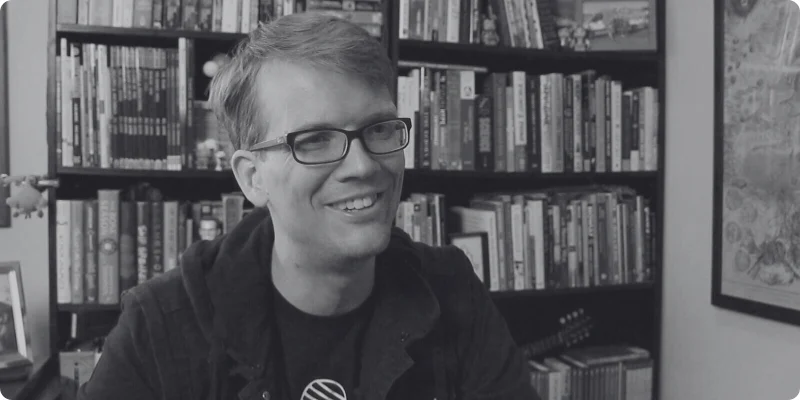
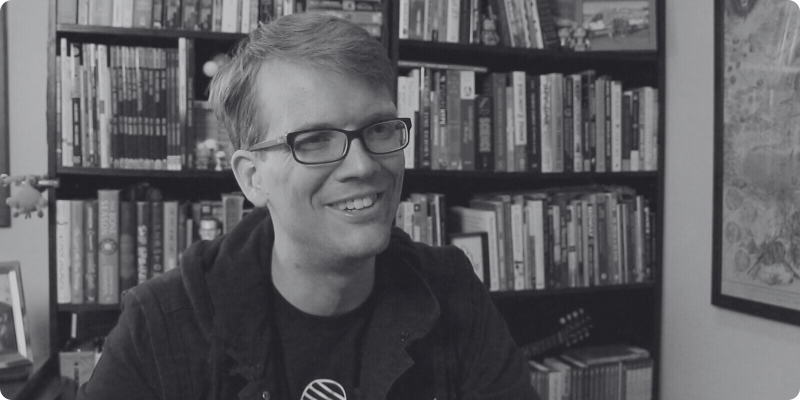
This risk aversion is compounded by the sheer operational complexity of building scalable products for a demographic with wildly heterogeneous needs. Veteran YouTube creator and entrepreneur Hank Green—who co-founded the crowdfunding platform Subbable before its acquisition by Patreon—has frequently spoken about the immense challenges of designing financial tools for influencers. Having evaluated the prospect of building creator-focused financial products during peak venture capital funding cycles, Green understands the friction firsthand.
"Creators are so diverse in their needs that, to create a product that is scalable—and that doesn’t cost a ton of money trying to individualize itself for each individual creator—you end up creating a bad product," Green observed in a recent analysis of the sector.
Compounding this product-development challenge is the immense market power wielded by dominant social media platforms. Content creators often have limited transparency regarding their earnings, relying on opaque platform algorithms and monetization structures that can change overnight. Even highly established creators with massive followings encounter administrative hurdles. Green publicly highlighted these systemic payment inefficiencies earlier this year, noting the frustrating lack of revenue transparency across major video-sharing platforms. "It’d be nice if I knew how much money I made. I have no idea, it hasn’t updated since January. It’s broken. It thinks I’m British. It’s paying me in pounds," Green remarked regarding platform payment glitches. Such unpredictable disbursements make it nearly impossible for traditional algorithms to accurately assess creditworthiness or forecast future earnings.
The Evolution and Scale of the Creator Economy
To appreciate the gravity of the banking sector’s oversight, it is necessary to trace the trajectory of the creator economy over the past two decades. What began in the early 2000s as personal blogging and amateur video sharing on platforms like YouTube quickly evolved into a professionalized ecosystem driven by advertising revenue. By the mid-2010s, the rise of Instagram, Twitch, and subsequently TikTok lowered the technical barriers to entry, enabling millions of individuals to monetize their personal brands through sponsored content, direct fan subscriptions, and merchandise sales.
During the COVID-19 pandemic between 2020 and 2022, the creator economy experienced unprecedented acceleration. Millions of workers displaced from traditional employment turned to digital platforms to generate supplemental or full-time income. Venture capital firms poured billions of dollars into creator-economy startups, focusing primarily on monetization tools, community-building platforms, and brand-deal marketplaces. However, despite the influx of venture capital into software-as-a-service (SaaS) tools for creators, core banking infrastructure—such as business checking accounts, lines of credit, tax preparation assistance, and seamless cross-border payout solutions—lagged significantly behind.

Data from prominent financial services reports underscore the economic weight of this demographic. The global creator economy is currently valued at upwards of $250 billion, with projections indicating it could nearly double by the end of the decade. Micro-influencers and independent digital entrepreneurs now constitute a vital sub-segment of the broader SMB economy. Yet, while traditional banks have meticulously refined their SMB product suites to accommodate restaurants, retail shops, and professional service firms, they have failed to construct parallel frameworks for digital-native enterprises.
Why Creators Desperately Need Tailored Financial Solutions
At the heart of the creator’s financial dilemma are payments. Unlike traditional businesses that typically issue invoices with standardized 30-to-60-day payment terms, creators receive funds from a bewildering array of sources: platform ad-revenue shares, brand sponsorship fees, affiliate marketing commissions, crowdfunding contributions, direct-to-consumer merchandise sales, and fan-club subscriptions.
Furthermore, these revenue streams are inherently volatile. A creator might experience a viral month yielding tens of thousands of dollars, followed by months of significantly reduced earnings due to shifts in platform algorithms or seasonal advertising spend contractions. Traditional commercial banks, accustomed to evaluating balance sheets with steady monthly cash flows, view these fluctuations as red flags rather than normal operating conditions. Consequently, creators frequently find themselves locked out of traditional credit markets, unable to secure business loans to invest in production equipment, hire editors, or expand their operations.
Beyond lending, day-to-day banking needs remain severely unmet. Creators frequently struggle with multi-currency payouts, international tax compliance, and expense management tailored to digital operations. For example, a US-based creator earning revenue from European brand partners or global streaming platforms often faces exorbitant foreign transaction fees and delayed wire transfers. Fintech startups have attempted to bridge these gaps by offering specialized debit cards, instant payout features, and basic invoicing software, but these solutions rarely scale to offer comprehensive financial health management, retirement planning, or commercial real estate financing.
The Competitive Threat from Fintech Innovators
While traditional financial institutions hesitate, nimble fintech companies are aggressively capturing market share within the creator economy. Firms like Current, Chime, and specialized creator platforms are demonstrating that servicing this demographic is not only viable but highly profitable. By leveraging alternative data points—such as follower engagement metrics, historical platform payout consistency, and digital footprint analysis—these fintechs are developing proprietary risk-assessment models that bypass traditional credit scores.
Fintech platforms understand that content creators operate essentially as media companies and tech startups rolled into one. By offering integrated financial dashboards that aggregate earnings across YouTube, TikTok, Patreon, and brand sponsorships, these platforms provide the holistic visibility that traditional banks fail to deliver. Moreover, fintechs have successfully utilized influencer marketing themselves, building authentic trust loops with digital native audiences that legacy banks struggle to replicate through conventional advertising channels.
Broader Implications and Future Outlook for Banking
The ongoing estrangement between traditional banks and the creator economy carries significant long-term implications for the financial services industry. As younger generations—Millennials and Gen Z—continue to accumulate wealth and transition into prime financial years, their primary banking preferences are being shaped by digital-first experiences. When legacy institutions signal an inability or unwillingness to understand non-traditional careers, they risk alienating an entire generation of high-earning digital entrepreneurs.
Industry analysts suggest that bridging this gap will require traditional banks to adopt a hybrid approach. Rather than attempting to force creators into legacy retail or commercial banking molds, progressive FIs must invest in specialized underwriting units that comprehend digital business models. This includes partnering with creator-economy platforms, utilizing alternative data for credit assessment, and designing modular financial products that accommodate diversified, fluctuating income streams.
Ultimately, the creator economy is not a passing fad; it is a permanent restructuring of how modern commerce, media, and entrepreneurship function. For traditional banks, the choice is clear: adapt risk models and embrace the financial realities of digital entrepreneurship, or cede one of the fastest-growing customer segments entirely to agile fintech competitors.