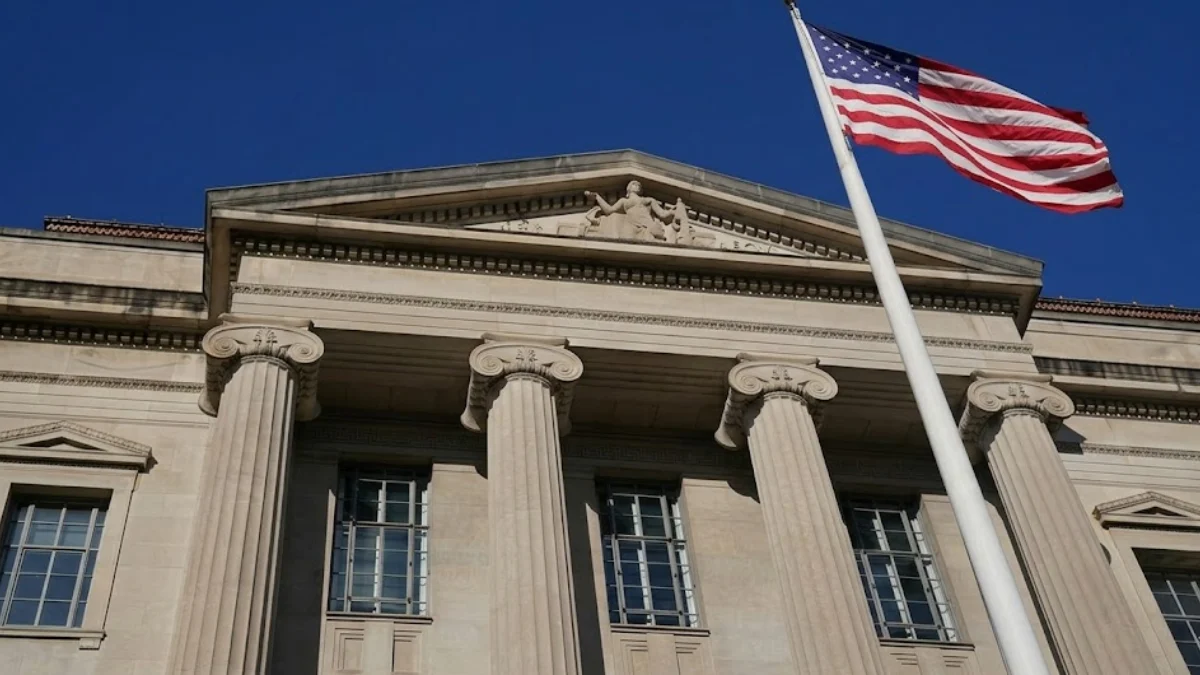
Law enforcement authorities executed high-profile arrests targeting widespread corruption within California’s taxpayer-funded homeless assistance programs, apprehending two defendants named in separate federal fraud cases. The primary enforcement action centers on Michael Young, the 46-year-old founder of the Culver City-based nonprofit organization Home At Last (HAL). Young stands accused of orchestrating an elaborate, years-long scheme that systematically misappropriated millions of dollars intended to house vulnerable populations, redirecting the capital into commercial real estate, shell companies, and the construction of a commercial nightclub and adjacent bingo hall.
The arrests represent a major milestone for the recently established Homelessness Fraud and Corruption Task Force. Operating within the seven-county jurisdiction of the Central District of California—which encompasses Los Angeles, Orange, Riverside, San Bernardino, San Luis Obispo, Santa Barbara, and Ventura counties—the task force was established to actively investigate, combat, and prosecute waste, fraud, abuse, and systemic corruption involving public funds allocated toward the eradication of homelessness.
The scale of the alleged diversion has drawn sharp condemnation from high-ranking federal officials. Investigators revealed that the accused individuals brazenly exploited bureaucratic vulnerabilities, routing substantial public subsidies through fictitious corporate entities to mask self-dealing transactions, falsify invoices, and bypass rigorous oversight mechanisms designed to protect taxpayer investments.
Key Details of the Federal Indictments and Allegations
According to federal court documents filed in the United States District Court for the Central District of California, Michael Young of Baldwin Hills utilized his position at Home At Last to secure massive public funding contracts. Over the course of the operation, HAL received more than $118 million in public funds derived from various entities, including the Los Angeles Homeless Services Authority (LAHSA), the City of Los Angeles, Los Angeles County, and the United States Department of Housing and Urban Development (HUD). LAHSA alone reportedly paid the nonprofit over $75 million to deliver essential housing and social services to unhoused individuals.
Rather than applying these resources toward emergency shelters, permanent supportive housing, or supportive services, Young allegedly diverted upwards of $12 million for personal gain and unrelated commercial ventures. Court filings detail a sophisticated web of sham vendors and deceptive billing practices. Young allegedly created fictitious companies that possessed no physical storefronts, no legitimate operations, and no employees. By submitting fake bids, forged signatures, and fraudulent invoices, Young made these shell entities appear as legitimate third-party contractors providing fair-market services, when in reality they existed solely to funnel public capital back into his personal accounts and commercial projects.
Among the most egregious misuses of taxpayer money cited by prosecutors, Young allegedly spent more than $1 million to open and operate a high-end restaurant, lounge, and nightclub in Inglewood known as the Six Seven Five Lounge. Additional funds were allegedly utilized to acquire commercial real estate and finance the construction of an adjacent bingo hall, alongside underwriting various luxury personal expenses.
Official Statements and Interagency Responses
The coordinated federal response underscores an aggressive cross-agency posture aimed at safeguarding public resources dedicated to humanitarian and social welfare initiatives.
Assistant Attorney General Colin M. McDonald of the National Fraud Enforcement Division emphasized the gravity of the offenses during a press briefing outlining the operation. "Today the Department of Justice, with the full force of the federal government, is announcing charges in a major fraud takedown targeting schemes that stole millions from programs meant to house California’s homeless," McDonald stated. "As alleged, Michael Young, through Home At Last, received more than $100 million in taxpayer funds and misappropriated more than $12 million, diverting that money into shell companies, real estate, and even a nightclub and bingo hall. That scheme is now halted in its tracks. My message to every fraudster who steals from the vulnerable is clear: We will track you down, bring charges where the evidence leads, and work relentlessly to reclaim every taxpayer dollar you stole."
FBI Director Kash Patel echoed these sentiments, highlighting the direct harm inflicted upon local communities by dishonest actors operating within the non-profit sector. "These defendants are accused of systematically diverting over $12 million in taxpayer funds for personal gain—robbing hardworking American citizens and directly hurting the people those funds are intended to support," Patel noted. "Fraud no longer has a safe haven in America. This FBI will act to hold those responsible accountable for their fraud, and today’s arrests demonstrate our continued commitment to protecting every dollar of taxpayer resources and ensuring that public funds are used exactly as intended."

First Assistant U.S. Attorney Bill Essayli for the Central District of California pointed to systemic institutional failures that allowed such large-scale misappropriation to persist unchecked for years. "The scale and brazenness of these fraudsters expose a profound failure by the State of California and Los Angeles County to safeguard public funds," Essayli remarked. "Millions intended to house the homeless allegedly financed private real estate, a nightclub, a bingo hall, and personal expenses. We will follow the money, expose the corruption, and prosecute those who exploit the American people for personal gain."
Financial and Housing Oversight Agencies Weigh In
The investigation relied heavily on forensic accounting and interagency cooperation involving financial crimes units and federal inspector general offices.
Special Agent in Charge Darren Lian of the IRS Criminal Investigation Los Angeles Field Office detailed the financial trail uncovered by investigators. "Today’s actions reflect our commitment to protecting taxpayer dollars and ensuring accountability of public funds," Lian stated. "The evidence uncovered by IRS Criminal Investigation and our law enforcement partners reveals a deliberate scheme to defraud government programs designed to support vulnerable community members who are experiencing homelessness. We will continue to pursue those who steal from the public and hold them accountable."
Acting Inspector General Brian D. Harrison of the U.S. Department of Housing and Urban Development, Office of Inspector General (HUD-OIG), emphasized the humanitarian toll of financial malfeasance within federal housing programs. "Stealing from programs meant to feed, shelter, and support people experiencing homelessness isn’t just a financial crime—it’s an attack on the most vulnerable communities provided for by HUD programs," Harrison said. "HUD-OIG is steadfast in pursuing those who exploit federal housing programs. This case underscores the strength of our partnerships with law enforcement and prosecutors. Together, we protect taxpayer dollars and deliver justice for victims."
Chronology of the Investigation and Legal Proceedings
The unraveling of the Home At Last scheme is the culmination of extensive auditing and investigative work conducted by federal task force members, who scrutinized years of municipal contracts, bank records, and operational expenditures.
- Contract Allocation Phase: Over multiple fiscal years, Home At Last secured upwards of $118 million through various government channels, establishing itself as a significant recipient of municipal and federal homelessness mitigation grants administered through LAHSA.
- Divergent Expenditures: Investigators tracked the movement of public subsidies, noting discrepancies between reported service outputs and actual capital investments. During this period, funds were systematically funneled into shell corporations to finance commercial real estate transactions and the build-out of the Inglewood nightclub and bingo hall complex.
- Task Force Formation and Subpoenas: Capitalizing on enhanced federal oversight initiatives, the Homelessness Fraud and Corruption Task Force subpoenaed financial records, conducted witness interviews, and executed forensic audits that exposed the sham vendor billing network.
- Grand Jury Indictments and Arrests: Federal prosecutors filed criminal complaints detailing wire fraud and related financial offenses carrying statutory maximum prison sentences of up to 20 years. Law enforcement officers executed arrest warrants for the primary defendants.
- Initial Court Appearances: The arrested defendants are scheduled to make their initial appearances before a federal magistrate judge in the United States District Court in downtown Los Angeles to address the formal charges and bond conditions.
Broader Implications and Systemic Impact
The arrests cast a harsh spotlight on the governance, administrative oversight, and auditing mechanisms governing state and local homelessness funding structures in California. Over the past decade, billions of dollars have been funneled into emergency housing, mental health initiatives, and permanent supportive housing projects to address the state’s severe unhoused population crisis.
However, critics and oversight bodies have frequently raised concerns regarding the lack of transparent tracking mechanisms, performance metrics, and rigorous auditing of non-profit organizations contracted to administer public funds. The revelation that millions of dollars designated for basic human shelter were allegedly diverted into upscale hospitality ventures underscores vulnerabilities in public-private contracting models.
Policy analysts suggest that these federal indictments will likely trigger widespread policy reviews across municipal agencies such as LAHSA and city departments throughout Los Angeles County. Elected officials and administrative leaders face mounting pressure to implement stringent compliance protocols, mandate independent financial audits for all major grant recipients, and establish whistleblower protection frameworks to detect fiscal anomalies before widespread public losses occur.
As the federal prosecution proceeds, the U.S. Department of Justice and its task force partners have signaled that additional investigations are actively underway. The ongoing crackdown aims to restore public trust in humanitarian programs and ensure that every allocated dollar directly reaches the citizens and communities most in need of stable housing and supportive care.