The contemporary healthcare landscape is defined by a paradox: while medical technology advances at an exponential rate, the administrative infrastructure supporting it remains bogged down by complex, labor-intensive regulatory requirements. At the heart of this complexity lies the management of Personally Identifiable Information (PII) and the rigorous process of medical billing and coding. As healthcare providers navigate a tightening web of global data privacy mandates, such as the Health Insurance Portability and Accountability Act (HIPAA) in the United States, the reliance on manual data entry has become an unsustainable risk. The transition toward automated medical billing and coding compliance software is no longer a luxury but a strategic necessity to ensure financial viability and legal security.
The Evolution of Medical Coding and Regulatory Compliance
Medical coding serves as the universal language of healthcare. By converting diagnoses, medical services, and equipment into standardized alphanumeric codes—specifically the International Classification of Diseases (ICD-10), Current Procedural Terminology (CPT), and Healthcare Common Procedure Coding System (HCPCS)—providers enable insurance companies to adjudicate claims systematically.
Historically, this process was performed by specialized medical coders who manually cross-referenced patient charts with billing guidelines. However, the sheer volume of claims—which reached an estimated $4 trillion in U.S. healthcare spending annually—has rendered manual processing prone to high error rates. According to industry analysis, claim denials cost the average hospital millions in unrealized revenue every year, with approximately 65% of denied claims never being resubmitted. This economic friction, combined with the stringent demands of HIPAA, has necessitated the adoption of automated compliance software that can scrub claims for inconsistencies before they reach the payer.
The Shift Toward Automated Compliance Solutions
The implementation of software-driven billing processes typically follows a strategic timeline:
- Audit and Assessment (Phase 1): Practices identify existing bottlenecks in their revenue cycle, often triggered by a high rate of insurance denials or an audit finding.
- Integration (Phase 2): Healthcare organizations migrate legacy data into cloud-based platforms that feature built-in code validation engines.
- Operational Optimization (Phase 3): Automation tools, including generative AI for clinical documentation and real-time scrubbing, are deployed to minimize human error.
- Compliance Monitoring (Phase 4): Persistent, automated audit trails are established, providing a transparent record for federal and state regulators.
Analysis of Leading Compliance Platforms
Modern software suites have evolved beyond simple billing modules into comprehensive practice management ecosystems. Below is an examination of the industry’s most prominent tools.
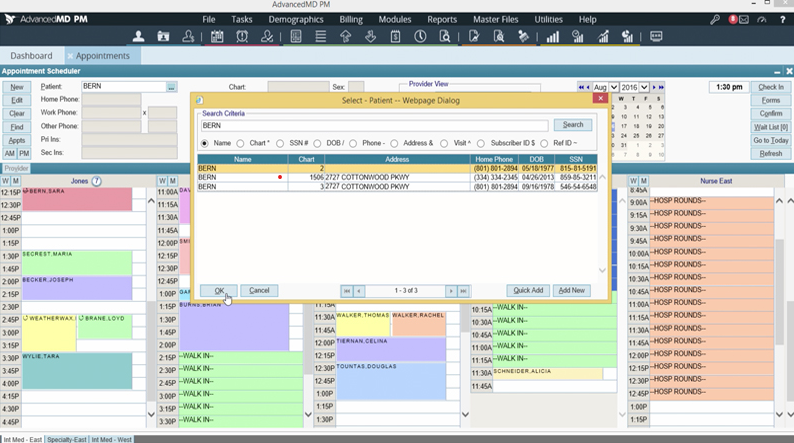
AdvancedMD: Cloud-Native Workflow Integration
AdvancedMD has established itself as a leader in the cloud-based EHR and billing space. Its primary value proposition is the centralization of patient data, which minimizes the "siloing" of information that often leads to coding errors. By automating the front-end intake and back-end claims submission, the platform ensures that codes are validated against current payer guidelines before submission, significantly reducing the administrative burden on small to mid-sized practices.
Tebra: Holistic Practice Management
Tebra is particularly effective for independent practices that require an all-in-one solution. By integrating marketing, patient engagement, and billing, Tebra reduces the administrative overhead that often distracts from patient care. From a compliance perspective, its unified database ensures that any change in patient status is automatically reflected in the billing cycle, reducing the risk of discrepancies that could lead to HIPAA violations.
CareCloud and the AI Revolution
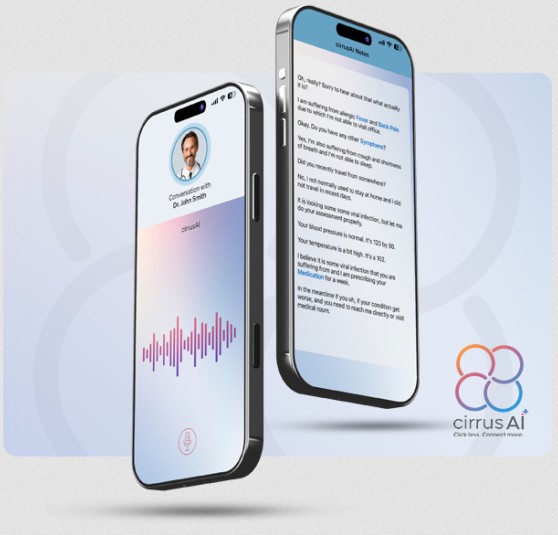
The entry of generative AI into medical billing, exemplified by CareCloud’s "cirrusAI," marks a significant shift. By using ambient listening to generate clinical notes in real-time, the software eliminates the gap between a physician’s encounter and the subsequent coding process. This automation directly addresses the issue of "downcoding" or "upcoding," where manual transcription errors often occur, ensuring that billing is strictly aligned with the services actually performed.
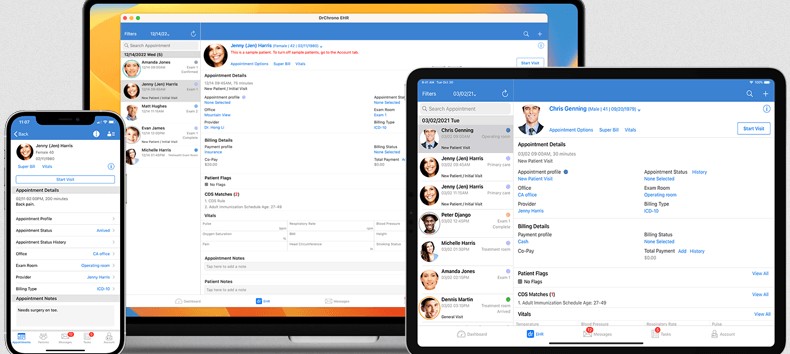
DrChrono: Mobility and Accessibility
DrChrono caters to a modern, mobile-first workforce. Its architecture is designed for iPad and web-based usage, allowing providers to manage EHR and billing tasks at the point of care. For specialty practices, the ability to customize templates for specific procedures is a vital feature that maintains high accuracy in coding, even for complex medical interventions.
CureMD: AI-Driven Documentation
CureMD focuses on physician productivity. By deploying AI medical scribes to generate documentation, the system ensures that the clinical record is robust enough to support the billing codes selected. This creates a "defensible" medical record, which is essential if a practice is ever subject to an external audit. The platform’s ability to streamline HIPAA-compliant data exchange makes it a reliable choice for larger clinics.
3M CodeFinder: The Gold Standard in Coding Logic
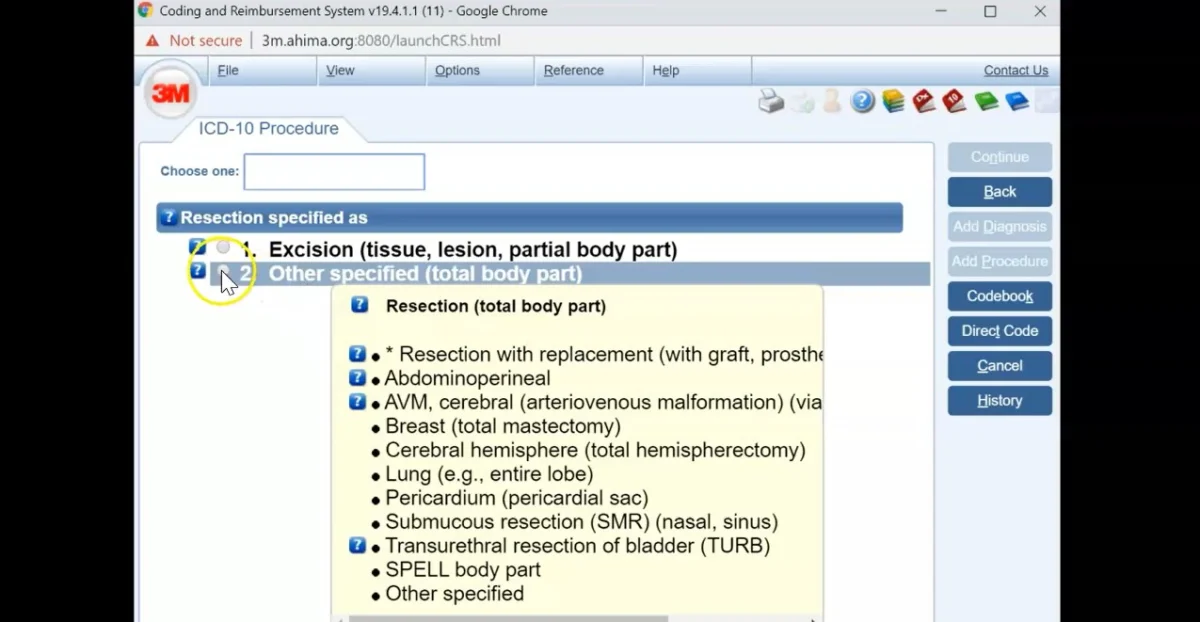
While many platforms focus on the administrative aspect of billing, 3M CodeFinder is specialized in the nuance of coding accuracy. It utilizes proprietary logic-driven engines to guide coders through the selection of ICD-10 codes. In an era where regulatory updates occur frequently, 3M’s ability to keep pace with classification guidelines ensures that facilities remain compliant with the latest government standards.
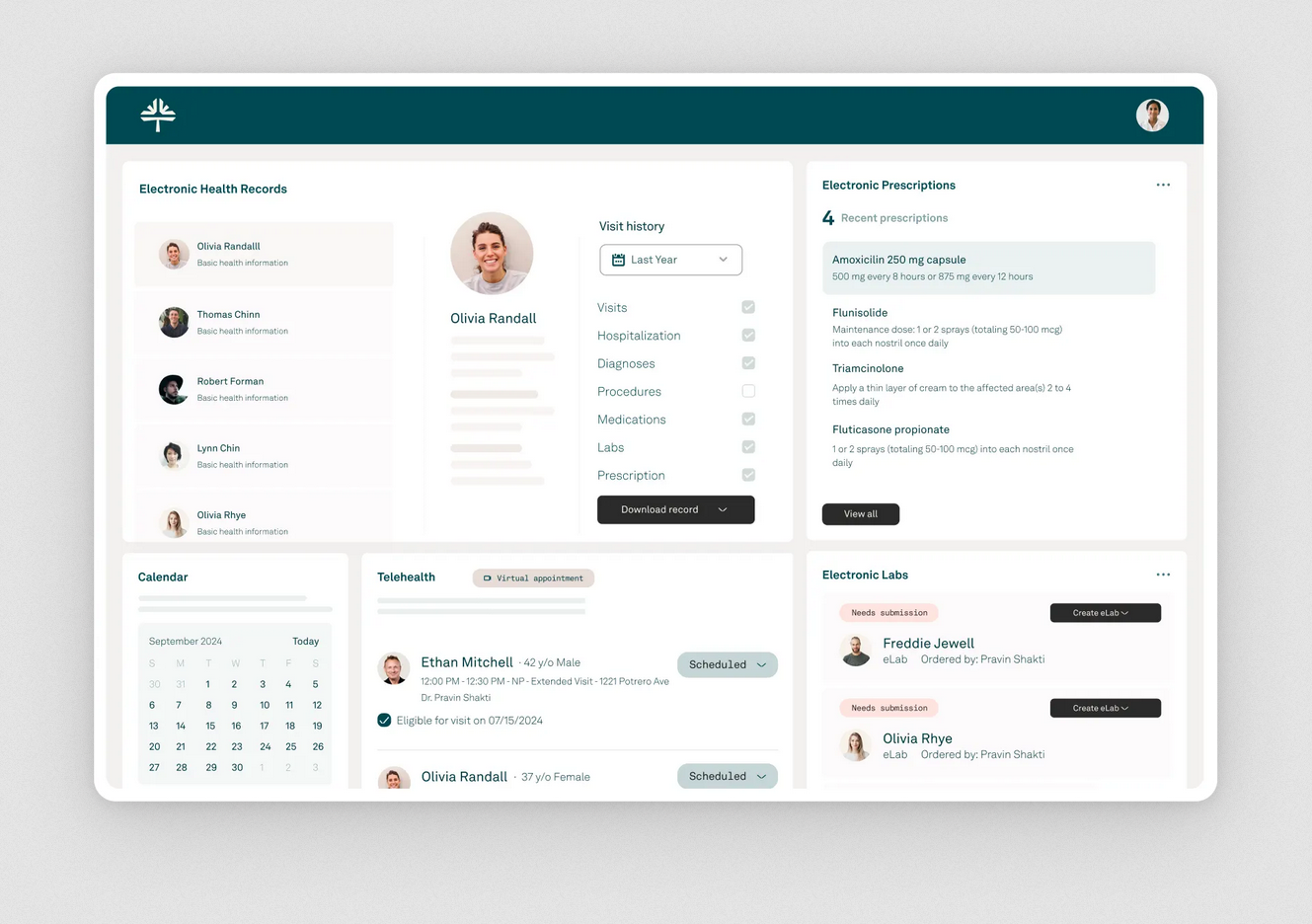
Nuance Clintegrity: Comprehensive Health Information Management
Nuance Clintegrity is designed for larger healthcare environments that require sophisticated health information management (HIM). It serves as an integrated solution that bridges the gap between clinical documentation and final bill submission. Its strength lies in its analytical capabilities, which allow administrators to monitor coder productivity and identify patterns of non-compliance across the organization.
Broader Implications and Strategic Outlook
The widespread adoption of these tools signals a permanent shift in the healthcare sector. The primary implication is the move toward "preventative billing," where the goal is to resolve errors at the source rather than through reactive appeals.
From a regulatory standpoint, the U.S. Department of Health and Human Services (HHS) has increasingly emphasized the role of technology in protecting patient data. Software solutions that maintain granular, time-stamped audit trails are essentially providing a "compliance shield" for providers. Furthermore, the integration of AI is expected to accelerate. Industry analysts project that within the next five years, the majority of routine medical coding will be performed by machine-learning models, with human staff transitioning to a supervisory, high-level auditing role.
However, the rapid adoption of these technologies is not without challenges. Healthcare organizations must remain vigilant regarding cybersecurity. While cloud-based platforms offer superior compliance features, they also consolidate sensitive data, making them high-value targets for cyberattacks. Therefore, the selection of a compliance tool must be balanced with a robust internal IT security policy, including multifactor authentication and encrypted data transit.
Conclusion
The administrative complexity of modern medicine is an inescapable reality, but it is one that can be managed through the intelligent application of technology. By transitioning from manual, paper-based processes to sophisticated, automated billing and coding compliance software, healthcare providers can improve their financial health, enhance the accuracy of their patient records, and ensure they meet the rigorous demands of national and international legislation.
As demonstrated by the capabilities of platforms like AdvancedMD, Tebra, and 3M CodeFinder, the tools exist to turn the billing process from a source of liability into a streamlined asset. For healthcare administrators, the task ahead is clear: evaluate these tools not merely as software upgrades, but as fundamental components of a sustainable, compliant, and patient-centered organization. The path to long-term success in the medical sector now runs directly through the digital infrastructure that supports it.