
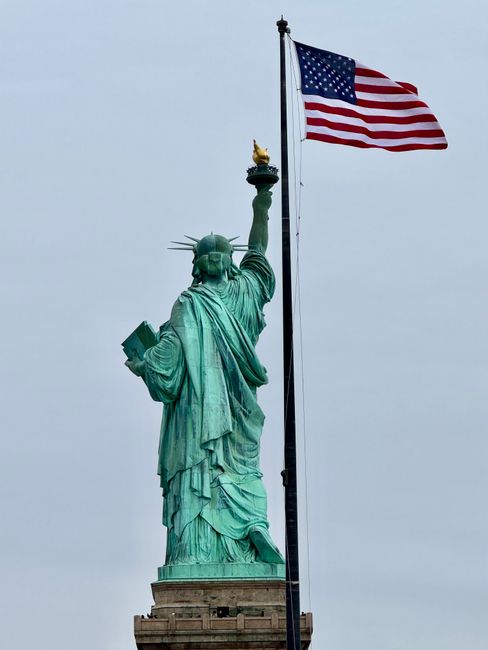
World Liberty: Examining the Trump Family’s Influence and Vision
The concept of "World Liberty," while seemingly broad, finds a specific interpretation and promotion through the actions, rhetoric, and business interests associated with the Trump family. This association is not a monolithic ideological movement but rather a complex interplay of political advocacy, philanthropic endeavors, and commercial ventures that collectively aim to project a particular vision of freedom and self-determination on a global scale. Understanding "World Liberty" in this context requires dissecting the various avenues through which the Trump family has exerted influence, from presidential policies to private sector initiatives. The term "liberty" itself is subject to diverse interpretations, and within the Trump sphere, it frequently emphasizes national sovereignty, individual economic freedom, and a skepticism towards multilateral international agreements perceived as infringing upon a nation’s ability to act independently. This article will explore these multifaceted dimensions, analyzing how the Trump family’s engagement has shaped perceptions and fostered specific agendas under the banner of "World Liberty."
A cornerstone of the Trump family’s approach to "World Liberty" has been its vocal advocacy for national sovereignty. During Donald Trump’s presidency, this manifested in a transactional foreign policy that prioritized bilateral agreements over multilateral ones and questioned the value of international organizations and alliances. The emphasis was on strengthening individual nations, allowing them to pursue their interests with minimal external interference. This translated into policies such as the withdrawal from the Paris Agreement on climate change, the renegotiation of trade deals like NAFTA (which became the USMCA), and a critical stance on organizations like the World Health Organization and the World Trade Organization. The rhetoric consistently framed these actions as liberating nations from bureaucratic overreach and unfavorable terms, empowering them to make decisions in their own perceived best interests. This vision of "World Liberty" is thus inherently nation-centric, viewing global stability and progress as a sum of strong, independent states rather than a result of collaborative global governance. The Trump family’s continued engagement, even outside the presidency, often reiterates these themes, positioning themselves as champions of national autonomy against what they characterize as globalist agendas.
Beyond national sovereignty, economic liberty forms another critical pillar of the Trump family’s concept of "World Liberty." This aspect is deeply rooted in the business acumen and entrepreneurial background of the family. Donald Trump’s business career, characterized by real estate development and brand licensing, provided a blueprint for his approach to economic policy. The focus on deregulation, tax cuts, and free-market principles as drivers of prosperity is a recurring theme. This economic philosophy is extended globally through initiatives and statements that advocate for reduced trade barriers, the elimination of what are perceived as unfair trade practices, and the promotion of business-friendly environments. The idea is that by unleashing the forces of capitalism and reducing government intervention, individuals and nations will be freer to innovate, create wealth, and improve their living standards. This economic liberalism, as espoused by the Trump family, often operates with a pragmatic, results-oriented perspective, where the success of businesses and the growth of economies are seen as direct indicators of individual and national liberty. The promotion of American business interests abroad, often framed as bringing jobs and prosperity, is another manifestation of this economic liberty agenda.
Philanthropic activities, while perhaps less overtly political, also contribute to the Trump family’s articulation of "World Liberty." The Donald J. Trump Foundation, prior to its dissolution, and other initiatives often targeted areas that align with this broader vision. These can include support for educational programs that emphasize American values, initiatives promoting entrepreneurship, or causes that champion religious freedom. While the scale and impact of these philanthropic efforts may be debated, their presence serves to reinforce the family’s public image as proponents of a certain set of ideals. When these philanthropic endeavors intersect with international outreach, they can further solidify the perception of a global agenda for liberty, albeit one defined by the family’s particular interpretations. For instance, supporting organizations that advocate for religious freedom in countries where it is perceived to be suppressed aligns with a broader theme of individual emancipation from state or societal constraints.
The "Make America Great Again" slogan, a central rallying cry of Donald Trump’s political campaigns, serves as a microcosm of the "World Liberty" vision. It implies a return to a perceived golden age of American strength and influence, a state of being where the nation was more self-reliant and less beholden to international pressures. This sentiment extends to a desire for other nations to experience their own versions of this strength and self-determination. The emphasis on strong borders, national pride, and a rejection of what are seen as globalist compromises are all interconnected. This vision of liberty is not about universal, abstract rights but rather about the practical empowerment of distinct national entities to chart their own course. It is a vision that values distinctiveness and self-governance, sometimes at the expense of a globally harmonized approach.
The role of media and public relations in shaping the narrative around "World Liberty" is also significant. The Trump family has been adept at utilizing various media platforms to disseminate their message. From presidential addresses and rallies to social media campaigns and interviews, the consistent articulation of their vision has been crucial in building a base of support. The framing of policies and initiatives as liberating, empowering, and prioritizing national interests has resonated with a segment of the population that feels overlooked by traditional global governance structures. This strategic use of communication amplifies the "World Liberty" message, ensuring its continued presence in public discourse and influencing how these concepts are understood. The media also plays a role in scrutinizing these claims, offering alternative perspectives and challenging the framing of "World Liberty" as presented by the Trump family.
Furthermore, the business dealings of the Trump Organization, particularly those that extend internationally, can be viewed through the lens of "World Liberty." Licensing the Trump brand for hotels, golf courses, and other ventures in various countries can be seen as exporting a model of American business success and a particular lifestyle associated with it. While primarily driven by profit motives, these ventures can also be interpreted as a form of soft power, promoting American capitalism and a certain ideal of economic freedom. The presence of Trump properties in global markets can symbolize the reach of American influence and its economic principles, contributing to a broader narrative of global economic liberalization. However, these ventures also invite scrutiny regarding their ethical implications, their impact on local economies, and their potential for fostering cronyism or undue influence.
The concept of "World Liberty" as promoted by the Trump family is thus a multifaceted construct. It is not a single, unified ideology but rather a constellation of ideas and actions that emphasize national autonomy, economic freedom, and a distinct interpretation of individual empowerment. This vision is advanced through political advocacy, economic policies, philanthropic gestures, and strategic communication. While proponents see it as a necessary reassertion of national strength and individual agency in a complex world, critics often point to its potential for isolationism, protectionism, and a disregard for international cooperation and universal human rights. Understanding this complex interplay of factors is crucial for a comprehensive analysis of the Trump family’s influence on the global discourse surrounding liberty. The ongoing evolution of these ideas and their continued promotion by influential figures associated with the Trump family suggest that "World Liberty," in its particular interpretation, will remain a significant, albeit contested, force in international relations and public discourse. The emphasis on tangible outcomes, national interests, and a pragmatic approach to global engagement distinguishes this vision from more idealistic or universalist notions of freedom and human rights. The future trajectory of "World Liberty," as shaped by the Trump family and their allies, will undoubtedly continue to be a subject of considerable debate and analysis.
