
The modern economic landscape is fraught with unpredictable financial potholes, ranging from sudden medical emergencies and vehicle breakdowns to unexpected job losses. For the average consumer, an unforeseen expense does not merely represent an inconvenience; it often triggers a cascading crisis where the immediate shock of an event is quickly overshadowed by the crushing anxiety of looming bills. According to recent comprehensive data published by Bankrate, a mere three in ten Americans maintain a sufficiently funded savings account to comfortably cover a major financial emergency without resorting to borrowing. This widespread vulnerability highlights a systemic gap in personal financial preparedness, leaving millions of households just one unfortunate event away from high-interest debt accumulation or the total derailment of their long-term financial goals.
To combat this widespread financial precarity, wealth management platforms, financial advisors, and consumer advocacy groups increasingly emphasize the critical importance of a robust emergency fund. Beyond merely serving as a financial cushion, a well-structured reserve acts as a psychological safeguard, granting individuals peace of mind during turbulent times. Yet, despite the universally acknowledged importance of having cash set aside for a rainy day, many consumers struggle with two fundamental questions: precisely how much money is required to weather a storm, and where is the safest, most productive place to store those funds? Addressing these questions requires a disciplined, methodical approach tailored to individual risk tolerance, monthly overhead, and long-term economic stability.
The Anatomy of Financial Vulnerability: Background and Context
The historical context of household emergency savings reveals a persistent fragility within the American middle and working classes. For decades, economic studies have consistently shown that a significant percentage of the population lacks immediate access to liquid cash. This phenomenon is driven by a complex interplay of macroeconomic factors, including stagnant wage growth relative to the skyrocketing cost of living, escalating housing markets, and the widespread reliance on consumer credit. When inflation surges—as witnessed extensively in the post-pandemic economic recovery—households find their disposable incomes squeezed, making the act of setting aside money for hypothetical future crises feel like a secondary priority compared to paying immediate, tangible bills.
The implications of this pervasive lack of savings are far-reaching. When unexpected expenses materialize and individuals lack liquid reserves, they are frequently forced to turn to high-interest credit cards, personal loans, or premature retirement account withdrawals. Each of these remedies carries severe long-term financial penalties. High-interest debt compounds rapidly, turning a temporary emergency into a multi-year financial burden. Meanwhile, tapping into retirement accounts such as 401(k)s or IRAs not only incurs steep early withdrawal penalties and tax liabilities but also deprives the investor of crucial compound growth, ultimately jeopardizing their long-term financial security in retirement.
Recognizing these compounding risks, financial institutions and automated wealth-management platforms have sought to streamline the process of building an emergency reserve. Rather than treating savings as an amorphous, daunting goal, modern financial planning breaks the process down into actionable, data-driven steps: calculating precise monthly obligations, determining an appropriate savings horizon based on individual risk profiles, and selecting optimal vehicles for capital preservation and modest growth.
Step One: Tallying Monthly Living Expenses and Streamlining the Calculation
The foundational step in constructing any emergency fund is determining the exact baseline of monthly living expenses. This figure represents the absolute minimum amount of capital required to sustain a household through a period of income interruption. However, arriving at this number can frequently prove challenging for consumers who struggle with budgeting or whose expenses fluctuate significantly from month to month. Regular living expenses typically fall into several distinct buckets, including housing (rent or mortgage payments), utilities, grocery bills, debt service obligations, transportation costs, and essential insurance premiums.
To mitigate the friction associated with manual budgeting, modern financial planning tools and automated platforms have introduced algorithmic shortcuts. For instance, sophisticated wealth management applications analyze a user’s historical financial profile, automatically estimating monthly expenditures based on connected banking data and recurring transaction patterns. This technological advancement eliminates the barrier of complex arithmetic, allowing individuals to establish a baseline target without getting bogged down in tedious bookkeeping.
Financial analysts emphasize that while precision is helpful, perfection should not become the enemy of progress. Whether an individual calculates their monthly overhead down to the exact cent using traditional spreadsheets or relies on automated platform estimates, the primary objective is establishing a credible working figure. Once this baseline monthly expense is established, savers can proceed to scale the target based on their unique personal and professional circumstances.
Step Two: Tailoring the Savings Horizon to Individual Risk Profiles
While conventional financial wisdom has long prescribed a blanket rule of saving three months’ worth of living expenses, modern financial advisors argue that a one-size-fits-all approach is frequently inadequate. The ideal size of an emergency fund depends heavily on an individual’s job security, health status, family structure, and psychological comfort with risk.
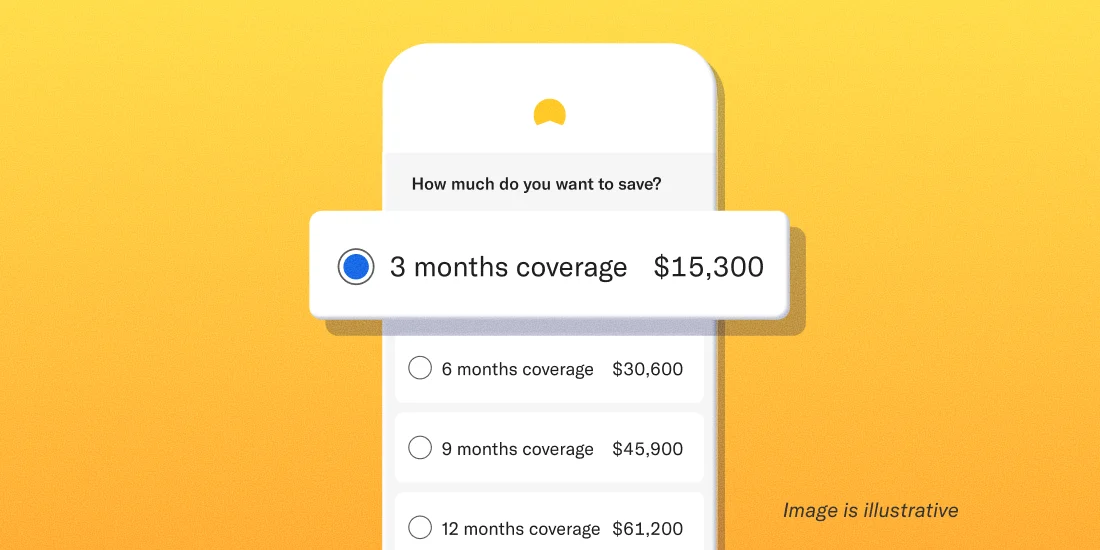
A three-month reserve is generally considered the bare minimum, suitable primarily for single individuals with stable employment, low fixed costs, and robust health insurance. However, several common scenarios warrant expanding that safety net to six months, nine months, or even a full year of living expenses. These scenarios include:
- Single-Income Households: Families or individuals relying on a single income stream face magnified risks in the event of a job loss, as there is no secondary salary to cushion the blow while searching for new employment.
- Freelancers, Contractors, and Small Business Owners: Self-employed individuals experience inherent income volatility. Client contracts can vanish overnight, and business revenues often fluctuate wildly, necessitating a larger liquid buffer to survive lean periods.
- Individuals with Dependents: Those supporting children, elderly parents, or other family members carry heavier financial responsibilities, making a sudden disruption in household cash flow exponentially more dangerous.
- Chronic Health Conditions: Individuals with ongoing medical needs or high-deductible health plans must prepare for the possibility of frequent out-of-pocket medical expenditures.
Despite these objective guidelines, the ultimate determination often comes down to psychological well-being—specifically, the amount of money required to ensure a good night’s sleep. According to comprehensive data from Bankrate’s consumer finance surveys, nearly one-third of surveyed adults report that a safety net spanning six months or more is the minimum threshold required to feel genuinely secure against financial shocks.
Once a target monetary amount has been established, structured execution becomes paramount. Many modern financial platforms assist in this phase by suggesting automated monthly recurring deposits tailored to the user’s timeline. Furthermore, these platforms often provide projected multi-year balances, mapping out a realistic trajectory—typically over a four-year horizon—based on initial deposits, scheduled contributions, and expected investment returns. This structured approach demystifies the savings process, transforming an overwhelming long-term goal into manageable, bite-sized monthly habits.
Step Three: Selecting the Optimal Vehicle for Capital Preservation
Once the target amount is defined and the accumulation strategy is in motion, the saver must address a crucial logistical question: where should the emergency fund be stored? Unlike long-term investments intended to outpace inflation over decades, an emergency fund must prioritize liquidity, safety, and capital preservation over aggressive growth. When an emergency strikes, the funds must be accessible immediately, and their nominal value must be secure against sudden market downturns.
Financial experts generally recommend housing emergency funds in one of two primary vehicles: high-yield cash accounts or conservative, bond-heavy investing portfolios.
High-Yield Cash Accounts and Cash Reserves
For individuals who prioritize absolute capital preservation and instantaneous liquidity, high-yield savings accounts or specialized cash reserve accounts represent the gold standard. These accounts offer several distinct advantages:
- Zero Market Risk: The principal balance is not subject to the volatility of the stock market, ensuring that every dollar saved remains fully intact.
- High Liquidity: Funds can typically be accessed within hours or days via electronic transfers or debit cards, making them instantly available when medical bills or car repairs demand immediate payment.
- Competitive Yields: In elevated interest rate environments, high-yield cash accounts generate meaningful interest earnings, helping to partially offset the erosive effects of inflation without exposing the principal to risk.
Conservative Bond-Heavy Investing Portfolios
Conversely, individuals with a higher risk tolerance—or those attempting to combat a high-inflation environment over a longer savings horizon—may opt to allocate a portion of their emergency fund into conservative, fixed-income investing accounts weighted heavily toward high-quality bonds. While these accounts carry a minimal degree of market risk and may experience minor fluctuations in value, they historically offer the potential for higher returns than traditional cash accounts.
Ultimately, the choice between cash and conservative investments hinges entirely on individual risk tolerance. Savers who experience anxiety at the sight of their account balances dipping—even temporarily—are strongly encouraged to stick exclusively to FDIC-insured cash vehicles. Alternatively, modern financial platforms offer flexible hybrid models, allowing savers to split their emergency reserves between high-yield cash accounts and conservative investment portfolios, effectively bridging the gap between growth and security.
Broader Economic Implications and the Dynamic Nature of Savings
Building an emergency fund is not a static, one-time financial transaction; rather, it is a dynamic, evolving process that mirrors the changing seasons of an individual’s life. Financial circumstances are inherently fluid. Over the span of a career and a lifetime, monthly living expenses will naturally fluctuate due to inflation, lifestyle changes, career advancements, and major life milestones such as purchasing a home, marrying, or welcoming children.
Consequently, financial advisors recommend conducting periodic reviews of one’s emergency fund strategy—ideally once a year, or immediately following significant life events that impact household cash flow. An emergency fund that was entirely adequate for a single renter earning an entry-level salary will likely prove insufficient for a homeowner supporting a family years later. By regularly revisiting and recalibrating these financial targets, individuals ensure that their safety net remains robust enough to absorb the shocks of an unpredictable world.
Ultimately, the establishment and maintenance of a comprehensive emergency fund represent one of the most powerful steps an individual can take toward achieving genuine financial independence. By combining disciplined expense tracking, realistic savings horizons, risk-appropriate asset allocation, and automated execution, consumers can transform financial anxiety into durable security. In doing so, they build a resilient fortress against the unexpected, ensuring that when life inevitably presents its greatest challenges, their primary focus can remain on healing, adapting, and moving forward, rather than scrambling to pay the bills.
