
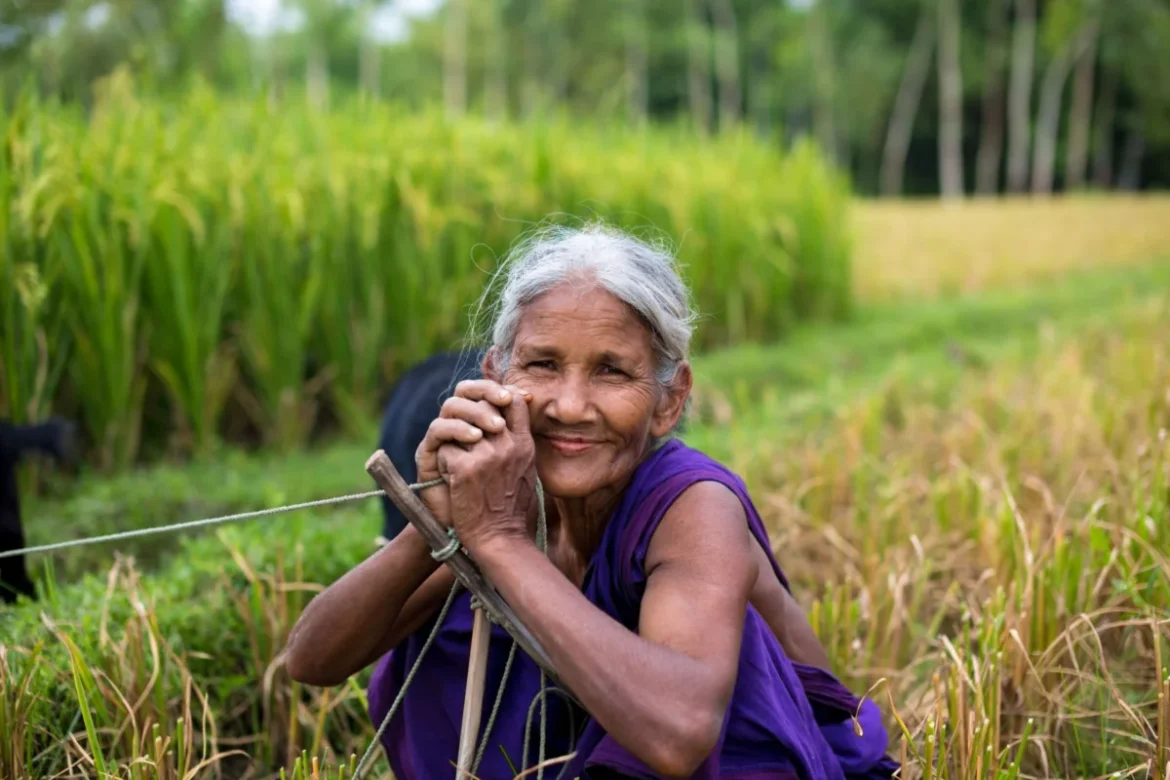
Across developing economies, women-led micro, small, and medium-sized enterprises (MSMEs) are stepping to the forefront of the global climate crisis. From pioneering climate-resilient agricultural techniques to transforming urban and rural waste into valuable commodities, these entrepreneurs are fortifying local economies against mounting environmental shocks. Yet, despite their vital contributions on the ground, a systemic failure in the global financial architecture continues to deprive them of the capital required to scale their operations, procure advanced equipment, and expand their community reach.
Out of the nearly $2 trillion in global climate finance mobilized in 2024, only a negligible fraction is structured to reach women-led micro and small businesses. Conventional lending paradigms—which routinely demand traditional collateral, formal business records, and male guarantors—exacerbate the entrenched structural barriers women already face in accessing credit. Financial systems frequently fail to recognize the inherent climate value embedded within these enterprises, resulting in a profound market failure that impedes both gender equality and global sustainability goals.
The Anatomy of a Global Financial Blind Spot
The disconnect between capital availability and grassroots climate action is particularly pronounced across Asia, where intensifying climate shocks are fundamentally reshaping regional economies. In Vietnam alone, women-owned small businesses confront an estimated $1.2 billion financing gap. This deficit is sustained by a lack of formal accounting histories, limited real estate or asset collateral, and a severe scarcity of financial products tailored to the operational realities of women entrepreneurs.
These insights form the core of a comprehensive white paper, The $1 Trillion Blind Spot, co-published by humanitarian organization CARE, the Mastercard Center for Inclusive Growth, Project Dandelion, and Futerra. The report identifies ten distinct sectors where women-led enterprises are already delivering investable, high-impact climate solutions. Ranging from clean energy distribution and climate-smart agriculture to waste management, sustainable textiles, and digital services, these businesses directly address essential community needs while presenting significant commercial opportunities for investors willing to look beyond traditional risk profiles.
A Microcosm of Resilience: The Case of Samina
The systemic hurdles facing these entrepreneurs are mirrored in the experience of Samina, a micro-entrepreneur based in Multan, Pakistan. Operating in a region highly vulnerable to extreme weather and environmental degradation, Samina intercepts waste materials before they can reach landfills or be incinerated on open streets. She transforms textile remnants into durable bags and artisanal jewelry, while converting discarded plastic bottles into functional consumer goods. Furthermore, she trains other women in her community to replicate these sustainable crafts, fostering localized green employment.
When Samina approached a conventional commercial bank for a modest loan to expand her workshop, she was immediately rejected. The institution demanded formal business records and a guarantor with a steady, salaried job—requirements that are largely unattainable for informal grassroots operators.
Her trajectory shifted only when she engaged with Mobilink Microfinance Bank, a partner institution under the Strive Women initiative—a joint program led by CARE and backed by the Mastercard Center for Inclusive Growth. Recognizing the economic and environmental viability of her enterprise, the bank adapted its underwriting criteria. Samina secured a loan equivalent to $530, a modest sum that catalyzed immediate operational growth: she procured new machinery, established an online sales channel, and expanded her training facilities to empower more young women in Multan. Samina’s success underscores a broader truth: these entrepreneurs do not necessarily require a reimagined business model; they require financial institutions willing to validate the sustainable models they have already established.
Deconstructing the Investment Bottleneck
The persistence of the financing gap raises a fundamental question: if women-led climate solutions are viable and investable, why does institutional climate finance consistently bypass them?
To address this anomaly, leaders across the realms of international finance, private investment, philanthropy, and development agencies convened at recent Climate Weeks in London and New York. Stakeholders engaged in a comprehensive examination of the financing ecosystem, tracing the capital chain from grassroots entrepreneurs to local microfinance institutions, and further upstream to international climate funds, development finance institutions (DFIs), and philanthropic donors.
The investigation revealed friction points at every level of the financial hierarchy. At the foundational level, women entrepreneurs frequently fall short of rigid criteria regarding collateral, formal bookkeeping, and guarantor mandates, particularly when they operate within the informal economy or lack property titles. Upstream, institutional climate investors typically deploy capital in large tranches with stringent compliance metrics tailored to macro-infrastructure projects. These rigid parameters are ill-equipped to absorb the smaller, seasonal financing cycles characteristic of microenterprises.
Consequently, local banks struggle to blend rigid upstream capital with the flexible terms demanded by grassroots borrowers, while large-scale climate investors remain unable or unwilling to underwrite climate value that cannot be quantified through conventional financial reporting tools. Bridging this chasm requires simultaneous interventions at both ends of the financing chain.
Leveraging Catalytic Capital to Expand Credit Access
Collaborative initiatives have demonstrated that structural modifications can successfully unlock capital at scale. Through the Strive Women program, CARE and the Mastercard Center for Inclusive Growth have assisted local financial institutions in unlocking approximately $1 billion in credit for women entrepreneurs across developing markets, including Pakistan, Peru, and Vietnam.
In many instances, the necessary adjustments are operational rather than radical. Measures such as eliminating spousal signature mandates for loan approvals, accepting non-traditional assets as collateral, and introducing flexible, revenue-aligned repayment schedules have proven highly effective. While much of this historical lending targeted general economic empowerment rather than explicit climate mitigation, the operational framework provides a blueprint for channeling climate finance effectively.
To scale these interventions, stakeholders must deploy catalytic capital—comprising grants, first-loss guarantees, and targeted technical assistance—to transform how financial institutions evaluate risk, service underserved markets, and execute lending decisions.
Four Strategic Imperatives for Climate Finance Reform
Industry experts and policy advocates emphasize that closing the $1 trillion blind spot requires a coordinated, multi-stakeholder strategy built upon four critical pillars:
- Redefining Risk Assessment and Underwriting: Financial institutions must modernize their risk models to account for the economic resilience and environmental impact of informal or semi-formal enterprises, moving beyond traditional collateral-based lending.
- Deploying Catalytic Capital Strategically: Philanthropies and DFIs should utilize first-loss guarantees and concessional grants to absorb initial risks, encouraging local commercial lenders to extend credit to women-led climate ventures.
- Simplifying Upstream Compliance and Reporting: International climate funds must streamline reporting requirements for local intermediary lenders, enabling them to disburse smaller, flexible ticket sizes to grassroots businesses without administrative paralysis.
- Institutionalizing Gender-Smart Climate Investing: Investors at all levels must explicitly integrate gender lenses into climate portfolios, recognizing that women entrepreneurs are not merely vulnerable populations requiring aid, but active economic agents delivering essential environmental solutions.
Broader Implications and the Path Forward
The imperative to close the financing gap extends beyond economic equity; it is a prerequisite for achieving global climate targets. As climate shocks intensify across the Global South, local adaptation and mitigation strategies led by women represent some of the most cost-effective and resilient interventions available.
Institutions ranging from multilateral development banks to private venture funds must move past passive acknowledgment of the gender-climate nexus and take decisive operational action. By leveraging catalytic capital, restructuring rigid lending criteria, and recognizing the tangible climate contributions of women-led MSMEs, the global financial system can finally bridge the trillion-dollar divide. Entrepreneurs like Samina have already demonstrated operational viability on the ground; the responsibility now rests with the financial sector to align its resources with reality.
