
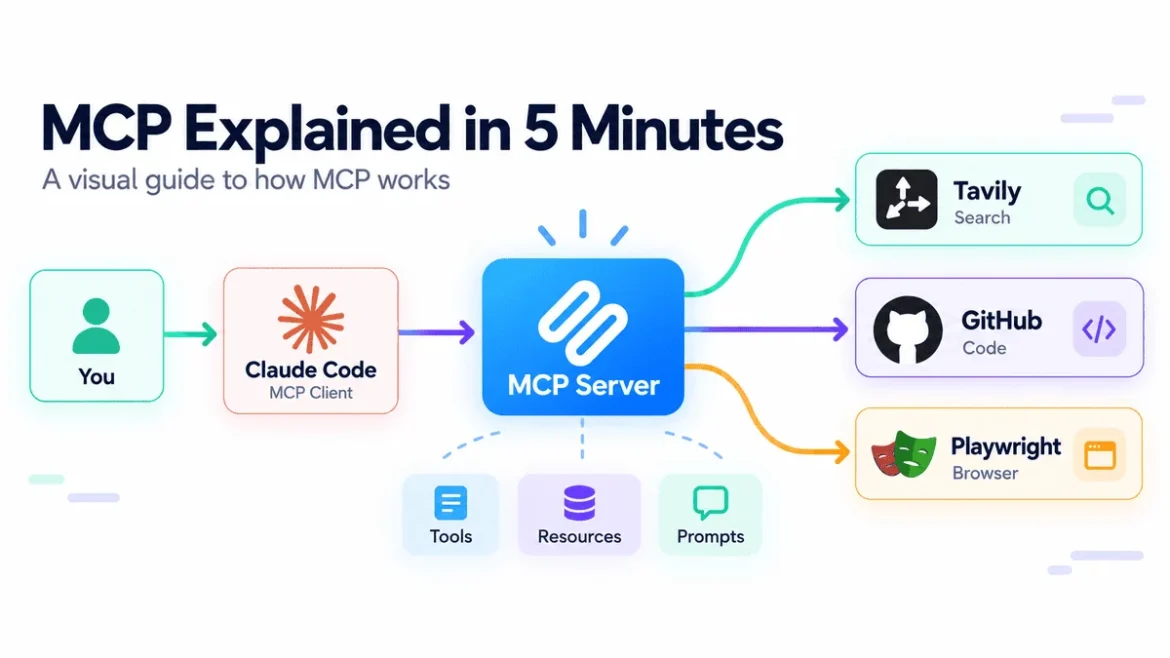
The rapid proliferation of large language models (LLMs) has transitioned the industry from simple text generation to complex agentic workflows, yet a significant technical bottleneck remains: interoperability. As developers strive to equip AI agents with the ability to perform real-world tasks—such as querying databases, navigating repositories, or automating web browsers—they have historically been forced to build custom, bespoke integrations for every external service. The emergence of the Model Context Protocol (MCP) represents a foundational shift in how artificial intelligence systems interface with the digital environment. By establishing a universal standard for connectivity, MCP is effectively serving as the "USB-C port" for the AI agent ecosystem, enabling seamless communication between models and a vast array of tools.
The Architectural Necessity of MCP
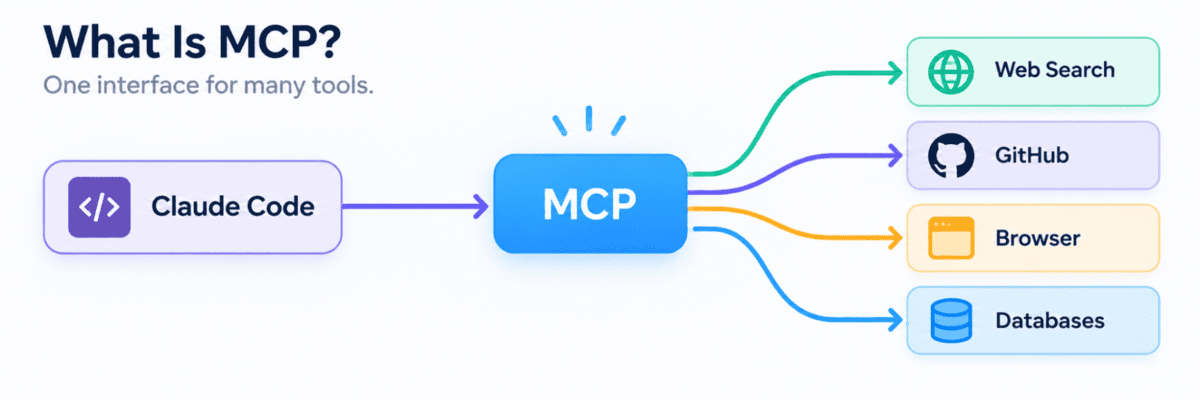
To understand why MCP is becoming the industry standard, one must first recognize the "integration tax" that previously hindered AI development. Before the formalization of this protocol, an AI application—often referred to as the "host"—required unique code to communicate with every individual data source or tool. If an organization wanted to provide their agent with access to a GitHub repository, a SQL database, and a live web search engine, they had to write distinct integration layers for each, creating a fragile and difficult-to-maintain architecture.
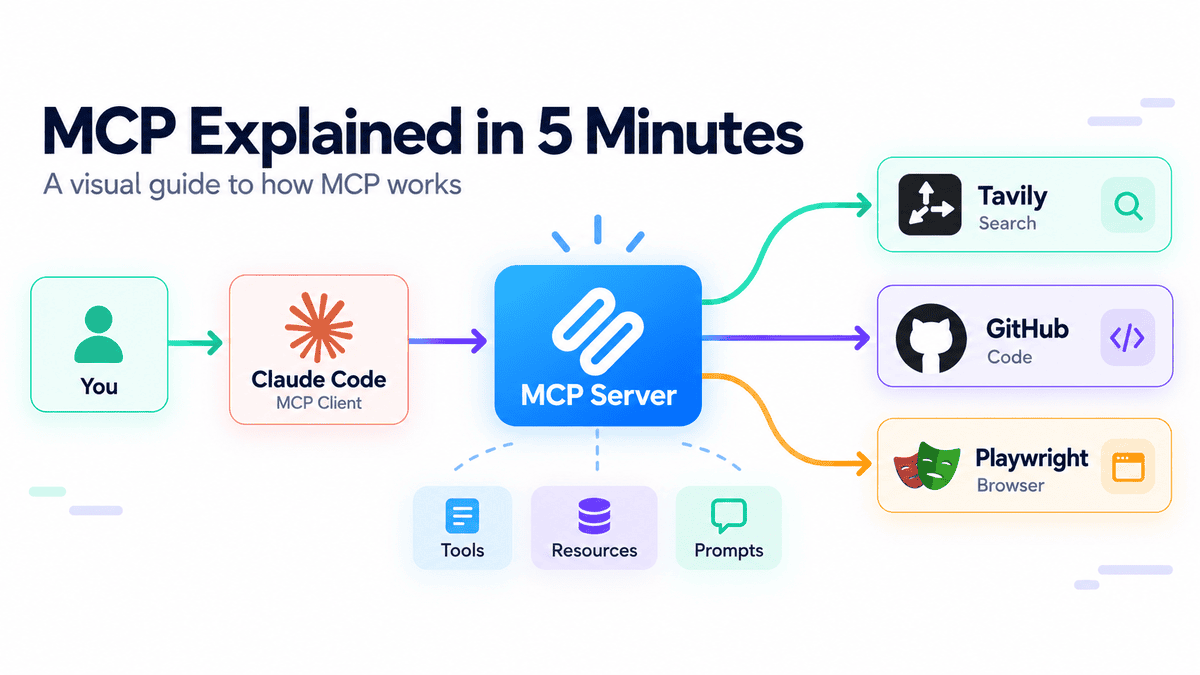
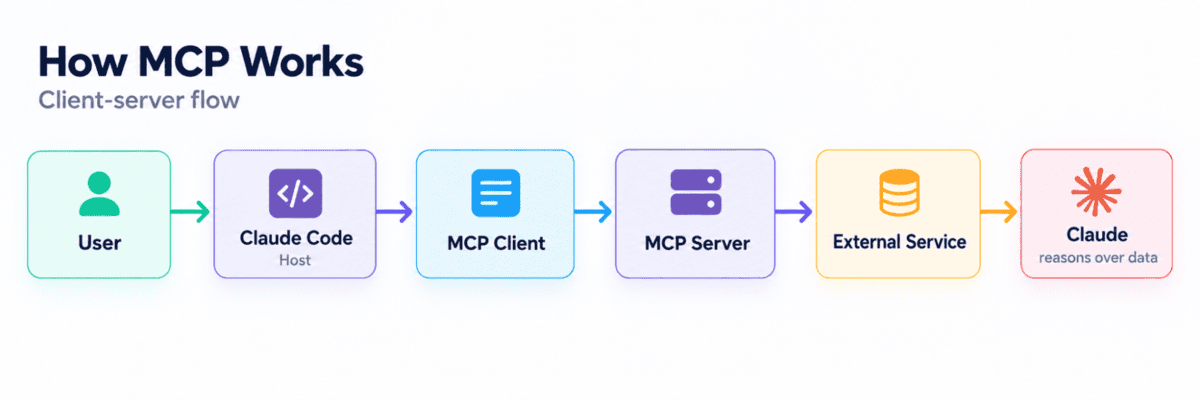
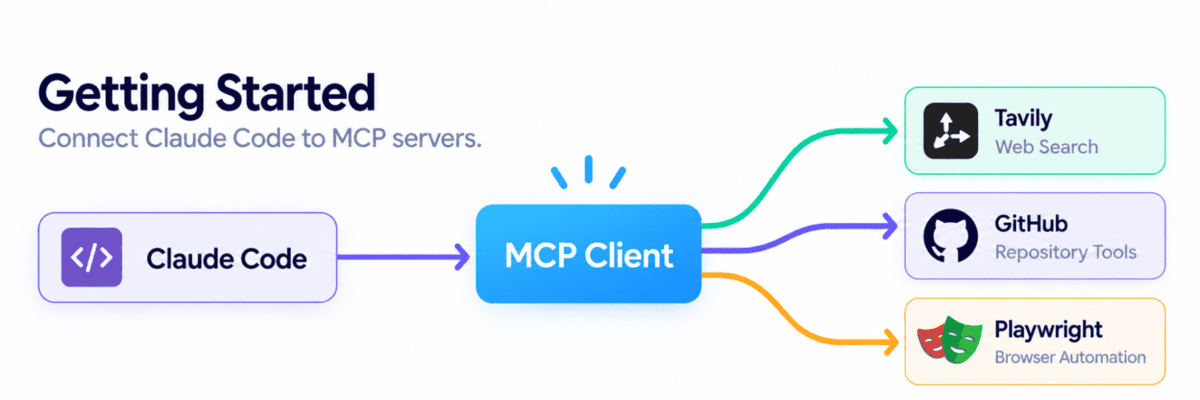
MCP addresses this by introducing a clear, three-tiered client-server architecture. The host (the AI application) interacts with an MCP client, which in turn communicates with an MCP server. This server acts as an abstraction layer; it understands the complexities of the underlying API or database and presents these capabilities to the AI in a standardized format. The server exposes three primary assets: tools, which the model can call to execute actions; resources, which provide data or context for the model to process; and prompts, which offer standardized templates for interaction. Crucially, the protocol is agnostic regarding the underlying model or the specific tool, ensuring that developers can swap components without rewriting their entire infrastructure.
The Evolution of the Protocol: A Chronology of Standardization
The development of MCP did not happen in a vacuum. It emerged from a growing consensus among AI researchers and platform engineers that agentic capabilities were being stifled by the lack of a common language. Throughout 2024 and early 2025, the industry witnessed a fragmented landscape where various proprietary tool-use frameworks prevented cross-platform compatibility.
The official release of the MCP specification, championed by Anthropic and supported by an open-source community, provided the much-needed framework to unify these efforts. The recent 2026-07-28 specification update marked a pivotal moment in the protocol’s history, transitioning from a stateful, session-based architecture to a stateless model. This change was not merely incremental; it was a structural necessity for cloud-scale deployment. By eliminating the need to maintain persistent sessions between hosts and servers, the new specification allows developers to deploy MCP servers on serverless infrastructure, drastically reducing latency and operational overhead while enhancing security through ephemeral request handling.
Technical Implementation: Putting MCP into Practice
For engineers deploying agents via tools like Claude Code, the implementation process has been streamlined to prioritize accessibility. The command-line interface (CLI) for Claude Code allows for the immediate discovery and configuration of MCP servers. By utilizing the claude mcp list command, developers can gain visibility into their local configuration, while claude mcp add facilitates the integration of third-party servers.
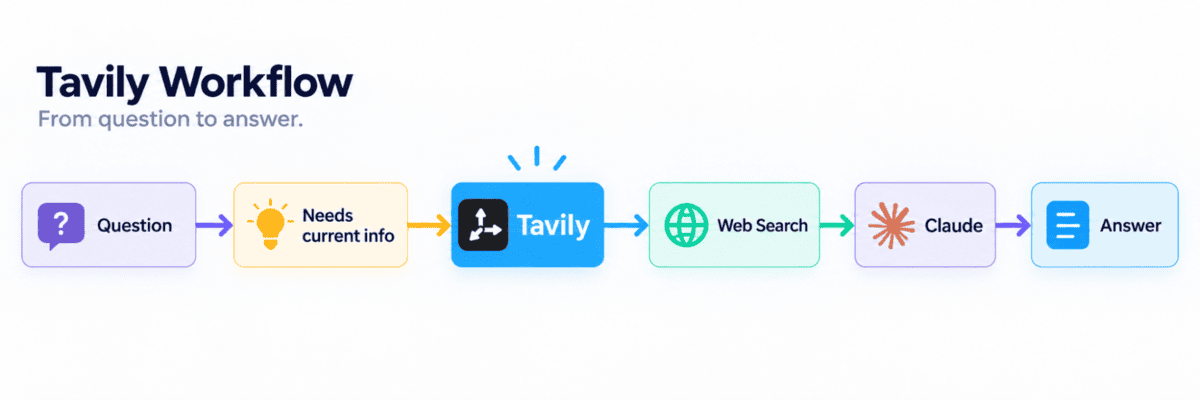
Consider the case of Tavily, an AI-optimized search engine. By integrating the Tavily MCP server, an agent gains the ability to perform real-time research. The workflow is deceptively simple: the agent receives a prompt requiring current data, identifies the necessity of a web search, invokes the Tavily tool through the MCP layer, and receives structured data back. This process removes the need for the LLM to understand the intricacies of web crawling, parsing, or HTML manipulation, as the MCP server manages these tasks internally.
Similarly, the integration of GitHub via MCP serves as a significant productivity multiplier for software engineering teams. By configuring a GitHub MCP server with a Personal Access Token (PAT), an agent can traverse entire repositories, perform pull request reviews, and analyze issue backlogs. The agent does not simply "read" the code; it interacts with the repository as a structured tool, identifying bugs or suggesting documentation improvements with a level of context-awareness previously reserved for human developers.
Browser Automation and the Role of Playwright
Perhaps the most sophisticated use case for MCP is browser automation. While APIs are excellent for structured data, they fail when faced with legacy web applications or dynamic interfaces that lack robust endpoints. The Playwright MCP server bridges this gap by allowing agents to interact with the web as a user would.
By rendering accessibility snapshots—structured representations of the Document Object Model (DOM)—the Playwright server enables an agent to "see" and navigate a website. This allows for automated testing of signup flows, form submissions, and user interface verification. As agents grow more capable, the ability to operate within a browser environment—simulating human interaction—is expected to be a primary driver of enterprise adoption, particularly in sectors such as quality assurance, data entry, and legacy system migration.
Analysis of Implications and Industry Impact
The industry-wide adoption of MCP has profound implications for the future of enterprise software. Firstly, it democratizes access to sophisticated AI agents. By standardizing the connection layer, smaller companies can build high-utility agents without the massive R&D budget required to build custom integration middleware.
Secondly, the protocol enhances security. By centralizing the connection logic, organizations can implement consistent authentication and logging policies across all tools. When an agent requests access to a sensitive database, the MCP server acts as an auditing point, ensuring that permissions are granular and clearly defined.
Finally, the shift toward stateless, serverless-ready architectures suggests that we are moving toward a future where AI agents are highly modular. We can expect to see an "MCP Marketplace" emerge, where developers can purchase or download standardized servers for proprietary enterprise systems (e.g., SAP, Salesforce, or Oracle), allowing agents to be "plug-and-play" ready for any corporate environment.
Future Outlook and Expert Consensus
Industry observers maintain that MCP is likely to become the de facto standard for tool-use in the AI space. While competitors to the current protocol may emerge, the speed of adoption and the backing of key industry players suggest that the current iteration of MCP is well-positioned to dominate.
The focus for the next 18 months is expected to be on security auditing, protocol hardening, and the development of more complex, multi-modal MCP servers that can handle audio, video, and streaming data. As these features reach maturity, the line between "AI as a chatbot" and "AI as a functional agent" will continue to blur. The result will be a computing environment where the model serves as the intelligent core, while MCP provides the versatile nervous system connecting it to the vast, complex, and ever-changing digital world.
In summary, the Model Context Protocol is not merely a technical specification; it is a vital evolution in the history of human-computer interaction. By abstracting the complexity of external tools, it allows developers to focus on the reasoning and decision-making capabilities of their models, while the plumbing of connectivity is handled reliably, securely, and at scale. For organizations looking to leverage the full potential of AI, understanding and implementing MCP is no longer an optional strategy—it is a baseline requirement for the next era of technological advancement.
