
The burgeoning creator economy, a dynamic and rapidly expanding sector driven by individuals monetizing their content and influence, has largely remained an uncharted territory for traditional financial institutions (FIs). While agile fintech companies like Current and Chime have begun to tap into this lucrative market through influencer marketing, many established banks have maintained a cautious, if not entirely absent, approach. This reticence, according to industry observers and practitioners, stems from a fundamental misunderstanding of the creator economy’s unique characteristics and financial needs. Consequently, there’s a significant gap in financial products designed to genuinely ease the lives and financial management of content creators, representing a missed opportunity to serve a growing, financially motivated, and underserved customer base.
The data underscores the financial significance of the creator economy. Research, including a notable study by Mastercard titled "The Creator Class: How Microbusiness is Fueling the Next Wave of Small Business," indicates that a substantial 78% of individuals report that being a creator helps them establish financial stability. This suggests that for many, content creation is not merely a hobby but a viable path to economic security. However, the inherent complexities of creator income streams—often characterized by unpredictability and diversification across multiple platforms and revenue sources—pose challenges for traditional banking models that are accustomed to servicing more stable, predictable income streams from salaried employees or established small and medium-sized businesses (SMBs). This lack of tailored financial solutions leaves creators struggling with issues such as inconsistent cash flow, difficulty in accessing credit, and complex tax obligations, hindering their ability to fully capitalize on their entrepreneurial endeavors.
The Reluctance of Traditional Financial Institutions
The hesitation of large banks to engage with the creator economy is rooted in several key factors that differentiate creators from more conventional SMBs.
Creators as Unconventional Clients: Challenging Established Banking Models
One of the primary reasons for banks’ reticence is the inherent instability of creator income streams. Traditional banking business models are typically built around servicing clients with predictable and stable earnings, such as salaried employees or long-established businesses with consistent revenue. "Traditional banks are not engaged in building products for creators due to the instability of creators’ income streams," explains Tachat Igityan, CFO and Founder of destream, a financial platform specifically designed for content creators. "Banking business models are generally built around servicing ‘stable’ customers, such as salaried employees or established businesses. They may view creators as higher-risk clients because it is difficult to apply traditional financial models like credit scoring, lending, and financial planning to them."
This assessment highlights a critical disconnect. Standard credit scoring and lending algorithms often struggle to accurately assess the financial health and risk profile of creators whose income can fluctuate significantly based on algorithmic changes, seasonal trends, audience engagement, and the success of individual content pieces. The lack of a consistent pay stub or a predictable quarterly financial report makes it challenging for banks to underwrite loans or offer other financial products that rely on historical financial stability.

The Diversity of Creator Needs: A Scalability Hurdle
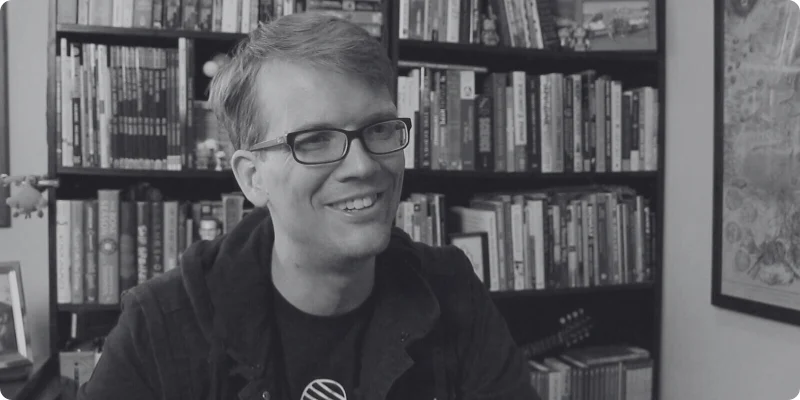
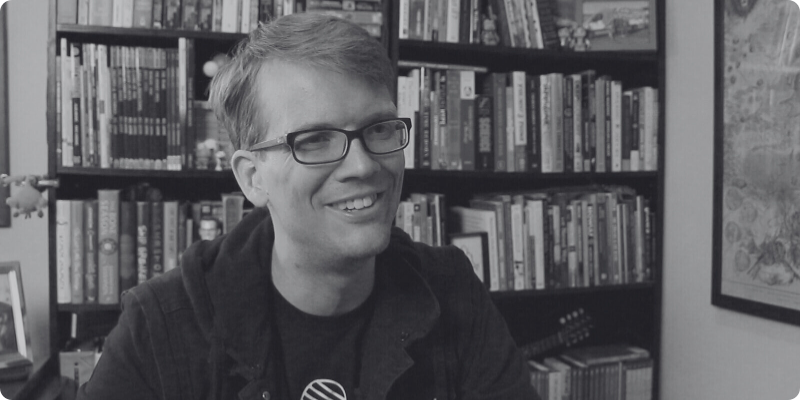
Adding to the complexity is the sheer diversity of needs within the creator economy itself. This segment encompasses a wide spectrum of individuals, from hobbyists to full-time professionals, each with unique revenue streams, business models, and financial management requirements. Hank Green, a prominent YouTuber, author, and founder of Subbable (a crowdfunding platform later acquired by Patreon), has publicly articulated the challenges of developing scalable financial products for this demographic.
"Creators are so diverse in their needs that, to create a product that is scalable – and that doesn’t cost a ton of money trying to individualize itself for each individual creator – you end up creating a bad product," Green stated in a previous discussion on the topic. This sentiment underscores the difficulty in creating a one-size-fits-all solution. A creator who primarily earns through ad revenue on YouTube will have different financial management needs than a creator who relies on merchandise sales, affiliate marketing, sponsorships, or direct fan support through platforms like Patreon. The nuances of managing multiple income streams, tracking diverse expenses, and forecasting variable income make generic SMB solutions inadequate.
The Dominance of Powerful Platforms: Opaque Revenue Streams
The power wielded by social media platforms further complicates product development for the creator economy. Platforms like YouTube, TikTok, Instagram, and Twitch are central to creators’ livelihoods, yet they often provide opaque and sometimes unreliable information about earnings. Even highly experienced creators can face challenges in accurately tracking their income.
Hank Green himself has shared his struggles with platform-specific revenue tracking. "It’d be nice if I knew how much money I made. I have no idea, it hasn’t updated since January. It’s broken. It thinks I’m British. It’s paying me in pounds," he remarked earlier this year, illustrating the frustration and uncertainty creators face regarding their earnings. This lack of transparency directly impacts financial planning and management. If creators cannot reliably ascertain their income from a particular platform, it becomes exceedingly difficult for them, or for any financial institution attempting to serve them, to budget, invest, or plan for the future. The reliance on these third-party platforms for revenue data creates a dependency that traditional FIs are ill-equipped to navigate.
The Urgent Need for Financial Innovation in the Creator Economy
Given that financial motivation is a primary driver for many entering the creator economy, the current lack of tailored financial products directly impedes their ability to achieve financial stability and fully benefit from their hard work. Payments and revenue management are at the core of these challenges.
Addressing the Payment Conundrum
One of the most significant pain points for creators is the management of payments. Income streams are often fragmented, coming from various sources such as platform payouts (which can have delayed processing times), direct sponsorships, affiliate commissions, and fan donations. This fragmentation necessitates sophisticated tools for tracking, reconciliation, and cash flow management.

For instance, a creator might receive monthly payouts from YouTube for ad revenue, immediate payments from affiliate links, and weekly or monthly disbursements from platforms like Patreon. Each of these streams may have different minimum payout thresholds, processing fees, and payment schedules. Without specialized tools, creators often find themselves manually tracking these disparate payments, a time-consuming and error-prone process. This is where fintechs have seen an opening. Companies like destream are developing solutions that aggregate these income streams, provide real-time analytics, and simplify the payment process, allowing creators to focus more on content creation and less on administrative burdens.
Unpredictability and the Need for Financial Planning Tools
The inherent unpredictability of creator income presents a formidable challenge for financial planning. Unlike traditional employment where income is relatively constant, creators’ earnings can fluctuate dramatically from month to month. This makes budgeting, saving for taxes, and planning for long-term financial goals like retirement incredibly difficult.
Traditional banks often offer financial planning services based on predictable income. However, for creators, these services may not be applicable. They require solutions that can help them:
- Forecast income: Develop more accurate income projections based on historical data and current trends.
- Manage irregular cash flow: Utilize tools that help smooth out income fluctuations, perhaps through automated savings mechanisms or short-term lending facilities tailored to creator revenue cycles.
- Set aside funds for taxes: Proactively manage tax liabilities by setting aside appropriate amounts from each payment received, given the often self-employed status of creators.
- Access capital: Secure loans or lines of credit based on their overall business potential rather than solely on a static credit score derived from traditional employment.
The Mastercard research further supports the idea that creators are actively seeking financial stability. If FIs can develop products that directly address these needs, they can unlock a significant and loyal customer base.
Emerging Solutions and the Future Outlook
The gap in financial services for creators is not going unnoticed. A wave of fintech startups and specialized platforms is emerging to cater to these specific needs. These companies are often more agile and willing to experiment with new technologies and business models than traditional banks.
Fintech Innovations Leading the Charge
Fintech companies are at the forefront of developing solutions for the creator economy. destream, as mentioned, offers a financial platform that aims to simplify payment collection, track revenue, and provide insights for creators. Other companies are exploring various niches, such as:
- Creator-focused banking accounts: Offering accounts with features designed for irregular income, such as automated tax savings, expense tracking, and simplified invoicing.
- Lending platforms: Developing alternative credit assessment methods that consider a creator’s overall online presence, audience engagement, and historical earnings from various platforms, rather than solely relying on traditional credit scores.
- Investment and wealth management tools: Creating accessible investment products and advisory services that cater to the unique financial goals and risk appetites of creators.
- Payment processing solutions: Streamlining the collection of payments from diverse sources, including direct fan support, sponsorships, and affiliate marketing.
These innovations are not just about convenience; they are about empowering creators to manage their finances more effectively, reduce financial stress, and build sustainable careers.
The Opportunity for Traditional Banks
Despite their current reticence, traditional financial institutions have a significant opportunity to capture a substantial market share if they can adapt. This adaptation requires a multi-faceted approach:
- Deepen Understanding: Banks need to invest in research and development to truly understand the nuances of the creator economy. This includes studying revenue models, platform dynamics, and the specific pain points creators face.
- Collaborate with Fintechs: Rather than solely competing, banks could explore partnerships or acquisitions of successful fintechs that have already established a foothold in the creator space. This allows them to leverage existing technology and customer bases.
- Develop Tailored Products: This involves creating new product lines or modifying existing ones to address the unique needs of creators, such as:
- Dynamic income assessment tools: For lending and credit scoring.
- Automated tax management solutions: Integrated into checking and savings accounts.
- Multi-platform revenue aggregation services: Providing a consolidated view of earnings.
- Educational resources: Offering workshops and guides on financial management specific to creators.
- Leverage Influencer Marketing: As fintechs have demonstrated, influencer marketing can be a highly effective way to reach and engage with the creator community. Banks could strategically partner with creators to promote their services and build trust.
The creator economy is no longer a niche market; it is a significant and growing segment of the global economy with substantial financial potential. As more individuals embrace content creation as a viable career path, the demand for specialized financial products and services will only intensify. Financial institutions that fail to recognize and address this evolving landscape risk being left behind, while those that innovate and adapt stand to gain a loyal and valuable customer base for years to come. The journey from understanding to implementation will require a significant shift in perspective and investment, but the rewards—both for financial institutions and for the creators they serve—could be immense.
