
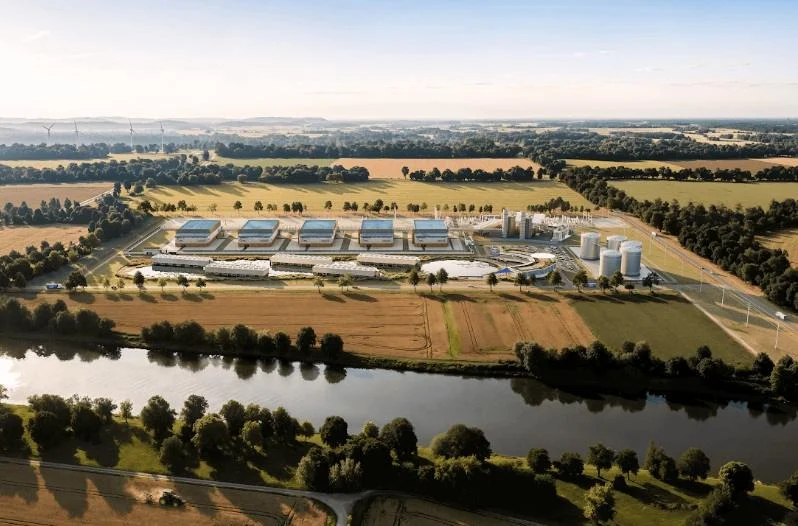
Constellation Technology Ventures, the investment arm of Constellation Energy, the nation’s largest producer of carbon-free energy, has officially announced a strategic equity investment in Blue Energy, a pioneering developer of modular nuclear power plants. This transaction represents a milestone for Constellation as it marks the firm’s first venture capital investment into a United States-based developer of small modular reactors (SMRs). The partnership is designed to catalyze the deployment of advanced nuclear technology across the domestic energy grid, providing a scalable solution to the escalating demand for reliable, carbon-free baseload power.
The investment comes at a critical juncture for the American energy sector, which is currently grappling with the dual challenges of aggressive decarbonization targets and a massive surge in electricity demand driven by the expansion of artificial intelligence, data centers, and industrial electrification. By backing Blue Energy, Constellation is signaling its confidence in a new generation of nuclear technology that prioritizes factory-based manufacturing and modular assembly over the traditional, multi-decade construction timelines that have historically hampered the nuclear industry.
A New Paradigm for Nuclear Construction and Financing
Founded in 2023 by Jake Jurewicz and Matt Slotkin, Blue Energy was established with the specific mission of making nuclear power "predictable, rapidly scalable, and project-financeable." The company’s core innovation lies not necessarily in a new reactor core design—as it is designed to be compatible with various leading reactor technologies—but in its delivery model. Blue Energy utilizes a large-format robotic prefabrication and assembly approach, a method heavily inspired by the efficiency of offshore oil and gas platforms and Liquefied Natural Gas (LNG) projects.
Traditional nuclear power plants are often treated as massive, bespoke civil engineering projects, which frequently leads to significant budget overruns and delays. In contrast, Blue Energy’s "turnkey" nuclear plants are built in controlled factory environments and then transported to sites. This shift from "on-site construction" to "factory manufacturing" is intended to de-risk the investment profile of nuclear energy, making it more attractive to private equity and institutional lenders who have historically been wary of the volatility associated with large-scale nuclear builds.
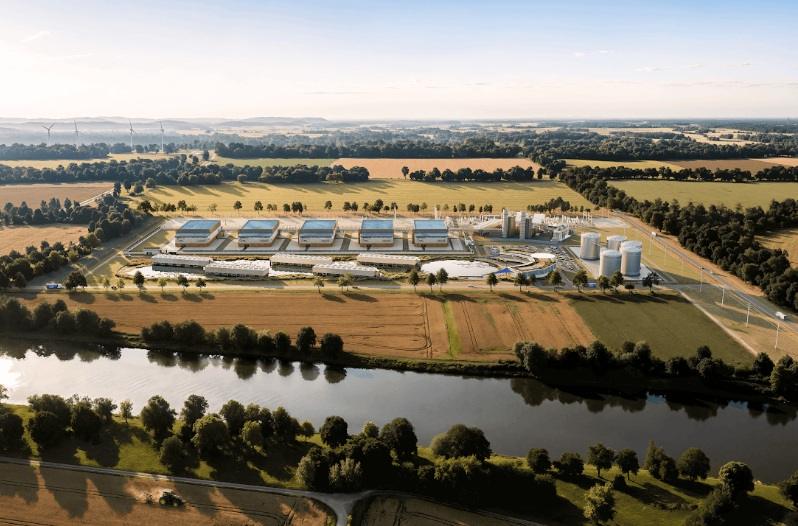
David Dardis, Constellation’s Senior Executive Vice President and Chief External Affairs and Growth Officer, emphasized that this investment is part of a broader strategy to explore innovative pathways for the U.S. energy transition. According to Dardis, the goal is to allocate risk appropriately while accelerating the deployment of technologies that can provide 24/7 clean energy.
Chronology of Development and Key Milestones
The announcement of Constellation’s investment follows a period of rapid technical and regulatory progress for Blue Energy. Since its inception less than two years ago, the startup has moved aggressively to validate its deployment model.
In early 2024, Blue Energy achieved a significant milestone with the U.S. Nuclear Regulatory Commission (NRC). The company received licensing feedback that supports its ambitious goal of delivering fully operational power plants within a 48-month window. This timeline is revolutionary in an industry where traditional plants often take 10 to 15 years from conception to commissioning.
The company’s immediate roadmap includes:
- Late 2024: Commencement of early site work on its first flagship project located in Texas. This phase involves land preparation and the establishment of infrastructure necessary for the modular assembly process.
- 2025–2026: Continued optimization of the robotic assembly modules and finalization of supply chain partnerships with reactor technology providers.
- 2027: Anticipated Final Investment Decision (FID) for the Texas project, marking the transition from development to full-scale execution.
- Late 2020s: Commercial operation of the first Blue Energy modular units, providing baseload power to the ERCOT grid in Texas.
Strategic "Gas-to-Nuclear" Transition
One of the most distinctive aspects of Blue Energy’s strategy is its "phased gas-to-nuclear" deployment model. This approach addresses the "interconnection queue" problem—a major bottleneck in the U.S. energy transition where new power projects must wait years to be connected to the grid.

By potentially utilizing existing sites or infrastructure currently used for gas-fired generation, Blue Energy can streamline the transition to carbon-free nuclear power. This strategy allows for a gradual shift in the energy mix while maintaining grid stability. It also leverages existing workforce skills, as many of the mechanical and operational requirements of modular nuclear plants overlap with high-tech industrial and gas-power operations.
Data and Economic Implications for the SMR Market
The economic argument for SMRs like those developed by Blue Energy is centered on the Levelized Cost of Energy (LCOE). While traditional nuclear has a high upfront capital cost, the modular approach aims to bring costs down to levels competitive with fossil fuels and even some renewable sources when accounting for the "firming" costs of solar and wind.
Industry data suggests that the demand for "firm" (non-intermittent) carbon-free power is at an all-time high. A recent report by Goldman Sachs estimates that data center power demand will grow by 160% by 2030. For companies like Microsoft, Google, and Amazon—who have made net-zero commitments—wind and solar are often insufficient because they do not provide the constant power required for 24/7 data center operations.
Constellation Energy is already a leader in this space, having recently signed a 20-year power purchase agreement with Microsoft to restart a unit at the Three Mile Island facility (rebranded as the Crane Clean Energy Center). The investment in Blue Energy represents the next logical step: moving beyond restarting old plants to building a fleet of new, modular ones.
Official Responses and Industry Outlook
Jake Jurewicz, CEO and Co-Founder of Blue Energy, noted that the relationship with Constellation provides more than just capital; it provides the expertise of an established operator. "With demand for near-term power rising, Constellation’s investment will help Blue Energy meet America’s need by making new nuclear development predictable," Jurewicz stated. He added that the collaboration would help expand access to nuclear energy through "innovative, project-financeable deployment models."

Market analysts view this move as a significant vote of confidence in the SMR sector, which has faced skepticism following the cancellation of some high-profile projects elsewhere in the industry. By focusing on the manufacturing process and "financeability," Blue Energy is attempting to solve the specific pain points that led to previous failures in the sector.
The investment also aligns with federal policy. The Biden-Harris administration and the U.S. Department of Energy (DOE) have recently signaled strong support for nuclear energy, including the passage of the ADVANCE Act, which aims to streamline NRC regulations and incentivize the deployment of next-generation reactors.
Broader Impact on the U.S. Energy Grid
The successful deployment of Blue Energy’s technology could have profound implications for the U.S. energy grid. As coal and older gas plants are retired, the grid requires a replacement that can provide "inertia" and "frequency response"—technical qualities that nuclear plants provide naturally, but which many renewable sources do not.
Furthermore, the "modular" nature of these plants means they can be sited closer to industrial hubs or large-scale data centers, reducing the need for massive new transmission line projects, which are often delayed by local opposition and permitting hurdles. If Blue Energy can meet its 48-month delivery target, it would provide a template for rapid industrial decarbonization that could be exported globally.
In conclusion, Constellation’s strategic investment in Blue Energy represents a high-stakes bet on the future of the American nuclear renaissance. By combining Constellation’s operational dominance with Blue Energy’s innovative manufacturing-first approach, the two companies are attempting to unlock a bottleneck that has constrained the nuclear industry for decades. If successful, the partnership will not only provide a massive influx of clean energy to the Texas grid but will also establish a scalable blueprint for the next generation of American energy infrastructure.
