
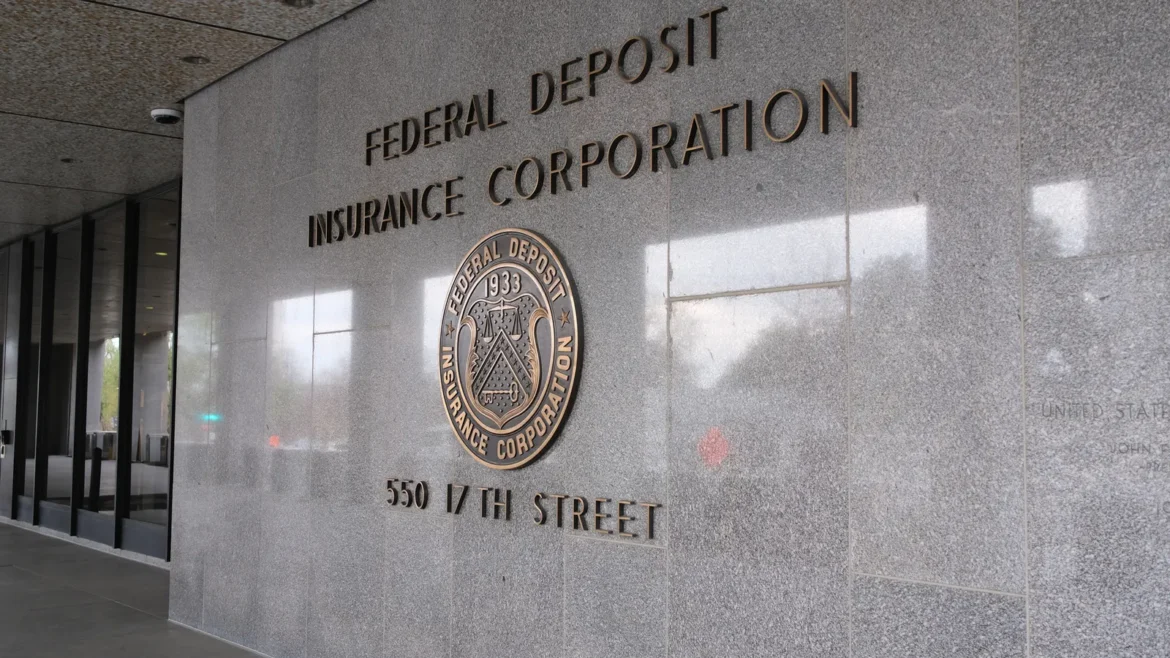
Kansas banking regulators shuttered the Lenexa-based Small Business Bank on Friday, marking the fourth bank failure in the United States this year and the second in July. The Federal Deposit Insurance Corporation (FDIC), acting as receiver, announced that The Farmers State Bank of Oakley, located across the state, has agreed to assume all of Small Business Bank’s deposits and acquire a portion of its assets. This swift action aims to ensure uninterrupted access to funds for Small Business Bank’s customers and maintain stability within the regional financial landscape.
The closure comes after a period of increasing scrutiny from federal regulators, highlighting a pattern of financial and operational deficiencies that ultimately proved insurmountable for the Lenexa institution. The Federal Reserve had previously flagged Small Business Bank as "significantly undercapitalized" in June, issuing a directive that demanded the bank rectify its financial standing within 30 days. This ultimatum required the bank to either secure equity through share sales, find a buyer, or implement "other necessary measures" to improve its capital position. This directive was the third such warning from the Federal Reserve in as many years, underscoring a persistent struggle to meet regulatory capital requirements.
A Pattern of Regulatory Warnings
The regulatory challenges faced by Small Business Bank were not new. In 2023, the bank received a cease-and-desist order from federal regulators. This order cited significant shortcomings across a broad spectrum of its operations, including deficiencies in staffing, internal controls, credit risk management, lending and credit administration practices, overall capital adequacy, information technology infrastructure, and third-party risk management. These issues indicated a systemic weakness in the bank’s governance and operational framework.
Further examinations conducted in the following year by both the Kansas City Fed and the Kansas Office of the State Bank Commissioner revealed "new and continuing deficiencies." These ongoing problems were particularly pronounced in areas critical to financial institution health, specifically risk management and anti-money laundering (AML) compliance. The persistence of these issues suggested a failure to adequately address the underlying causes identified in prior regulatory actions, exacerbating the bank’s precarious financial situation.
Financial Impact and Resolution
The failure of Small Business Bank is projected to incur a cost of approximately $5.7 million to the Deposit Insurance Fund (DIF), as estimated by the FDIC. This figure is subject to revision as the FDIC proceeds with the sale of any retained assets. The FDIC’s role as receiver involves managing the failed institution’s assets and liabilities to minimize losses to the DIF and ensure depositors are protected.
The FDIC’s swift intervention in facilitating the assumption of deposits by The Farmers State Bank of Oakley is a critical step in preventing a bank run and reassuring depositors. All insured depositors of Small Business Bank will have uninterrupted access to their funds through their existing accounts, which will now be serviced by The Farmers State Bank. The FDIC typically ensures that depositors have access to their insured funds typically within a few business days of a bank closure.
The Acquirer: The Farmers State Bank of Oakley
The Farmers State Bank of Oakley, the institution stepping in to absorb Small Business Bank’s deposits and assets, is itself undergoing a period of growth and integration. Its sole location in Lenexa will reopen on Monday as a branch of The Farmers State Bank, extending its reach and operational footprint. This acquisition comes shortly after The Farmers State Bank successfully completed the conversion of customer accounts from its acquisition of Kaw Valley State Bank. This recent integration suggests a strategic expansion initiative by the Oakley-based bank.
As of March 31, The Farmers State Bank reported total assets of $389 million. Prior to this latest acquisition, the bank operated two branches in Oakley and Eudora. The addition of Small Business Bank’s former branch in Lenexa will expand its presence within the Kansas banking sector. At the time of its failure, Small Business Bank held approximately $73 million in assets and $69 million in deposits, according to FDIC data. This suggests that The Farmers State Bank is acquiring a relatively small but active customer base.
A Broader Context of Bank Failures
The closure of Small Business Bank adds to a growing trend of bank failures in the United States. It marks the fourth U.S. bank to fail in 2026, and the second this month, underscoring a challenging environment for some financial institutions. This year’s failure rate has already surpassed that of the preceding two years combined.
Earlier in July, on July 10, Indiana-based Kentland Federal Savings and Loan Association was closed by its regulators. The Office of the Comptroller of the Currency (OCC) cited "substantial dissipation of assets and earnings due to unsafe and unsound practices" as the reason for its closure. This indicates a pattern of regulatory action against institutions exhibiting significant financial mismanagement.
In May, Community Bank & Trust – West Georgia failed. An inspection by the Atlanta Fed had previously identified operational deficiencies within the bank’s holding company, particularly concerning its growth strategy, board oversight, capital adequacy, and compliance with affiliate transaction rules. These issues highlight the interconnectedness of a bank’s operations and its holding company’s governance.
The year began with the failure of Metropolitan Capital Bank & Trust in Chicago in January. Illinois regulators attributed this closure to unsafe and unsound conditions and an impaired capital position, echoing common themes of financial instability.
Trend Analysis: Rising Failure Rates
The cumulative number of bank failures in 2026 is significant when compared to recent years. Two banks failed in 2024, and another two in 2025. This contrasts with the five bank failures that occurred in 2023, a year notably marked by the high-profile collapses of Signature Bank, First Republic Bank, and Silicon Valley Bank. These earlier failures, driven by factors including interest rate risk and concentrated deposit bases, sent ripples through the global financial markets and prompted heightened regulatory scrutiny across the industry.
The current trend of increasing bank failures suggests that smaller and mid-sized institutions may be facing greater pressures. These pressures can stem from a variety of factors, including increased regulatory compliance costs, evolving technological demands, competitive pressures from larger institutions and fintech companies, and the ongoing macroeconomic environment characterized by fluctuating interest rates and inflation.
Implications for the Banking Sector
The closure of Small Business Bank and its subsequent assumption by The Farmers State Bank of Oakley is a localized event with broader implications for the stability and confidence in the regional banking sector. The FDIC’s successful resolution of this failure demonstrates the effectiveness of its deposit insurance system in protecting depositors and preventing systemic contagion.
However, the recurring nature of these failures serves as a reminder of the importance of robust regulatory oversight and proactive risk management by financial institutions. For smaller banks, the ability to adapt to evolving regulatory landscapes, invest in technology, and maintain strong capital buffers is paramount to long-term survival. The Farmers State Bank’s willingness and capacity to absorb the deposits and operations of a failed institution highlight the resilience and consolidation trends within the industry. While this consolidation can lead to greater stability, it also raises questions about market concentration and competition in the long run. Depositors, particularly those of smaller institutions, may find themselves with fewer choices for their banking needs as the industry continues to consolidate.
The FDIC’s ongoing efforts to manage the assets of failed banks and ensure the solvency of the Deposit Insurance Fund will remain a critical function in maintaining public trust in the banking system. The repeated regulatory warnings issued to Small Business Bank prior to its closure also underscore the importance of early intervention by regulators to address identified weaknesses before they escalate into full-blown failures. The continued monitoring of the banking sector for signs of stress, coupled with timely and decisive regulatory action, will be crucial in navigating the current economic climate.
