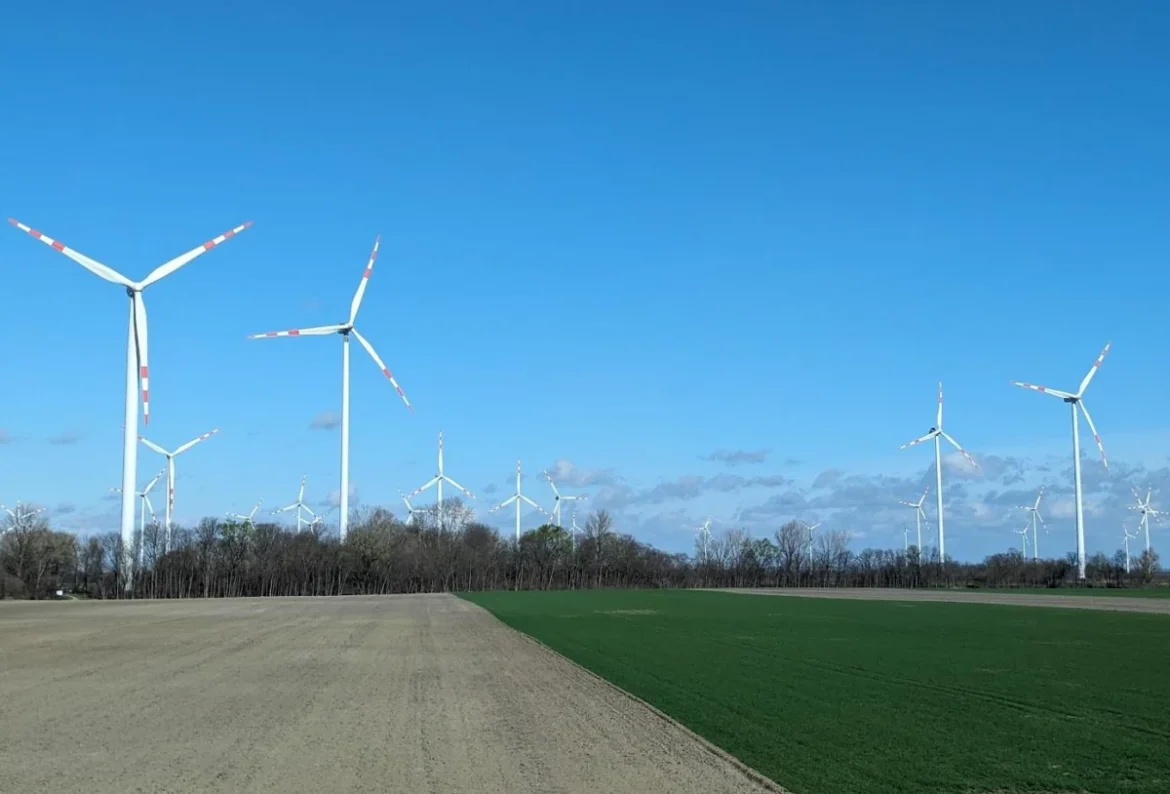
The global landscape of environmental, social, and governance (ESG) reporting and sustainable finance reached a critical inflection point this week as regulatory bodies and corporate entities grappled with the tightening intersection of climate transition mandates and economic resilience. As of November 8, 2026, the market is witnessing a profound shift in how capital allocation strategies align with international decarbonization goals. With the acceleration of renewable energy deployment—symbolized by significant wind energy investments in Central Europe—and the maturation of mandatory sustainability disclosure frameworks, stakeholders are increasingly pivoting from voluntary pledges to enforceable, data-backed operational transformations.
The Evolution of the Regulatory Landscape
The primary driver of this week’s activity has been the ongoing integration of sustainability metrics into standard financial reporting. Throughout 2026, the transition from fragmented reporting standards to globally recognized frameworks, such as those propagated by the International Sustainability Standards Board (ISSB) and the European Financial Reporting Advisory Group (EFRAG), has become the cornerstone of corporate governance.
For institutional investors, the "Week in Review" highlights a shift in focus toward "materiality assessment." Investors are no longer merely seeking high-level ESG scores; they are demanding granular data regarding the physical and transition risks associated with climate change. This shift is particularly evident in the utilities and manufacturing sectors, where capital expenditure is being redirected toward retrofitting aging infrastructure to comply with the European Union’s Taxonomy Regulation and similar mandates emerging across North America and the Asia-Pacific region.
Chronology of Key Market Movements
The events of the week trace back to a series of policy announcements and market disclosures that have redefined the expectations for ESG transparency:
- Monday, November 2: New guidelines regarding Scope 3 emissions reporting were finalized by international standard-setters, necessitating that supply chain participants provide more accurate carbon accounting. This move has triggered a wave of supplier engagement programs across the automotive and textile industries.
- Wednesday, November 4: A major consortium of European financial institutions released a collaborative report on the "just transition," emphasizing the need for social equity in decarbonization efforts. This report serves as a benchmark for how companies must address labor standards and community impact while pursuing net-zero goals.
- Friday, November 6: Markets reacted to the latest sovereign green bond issuance, which saw record-breaking interest, signaling that the demand for green financial instruments continues to outpace supply despite current inflationary pressures.
Supporting Data and Macro-Trends
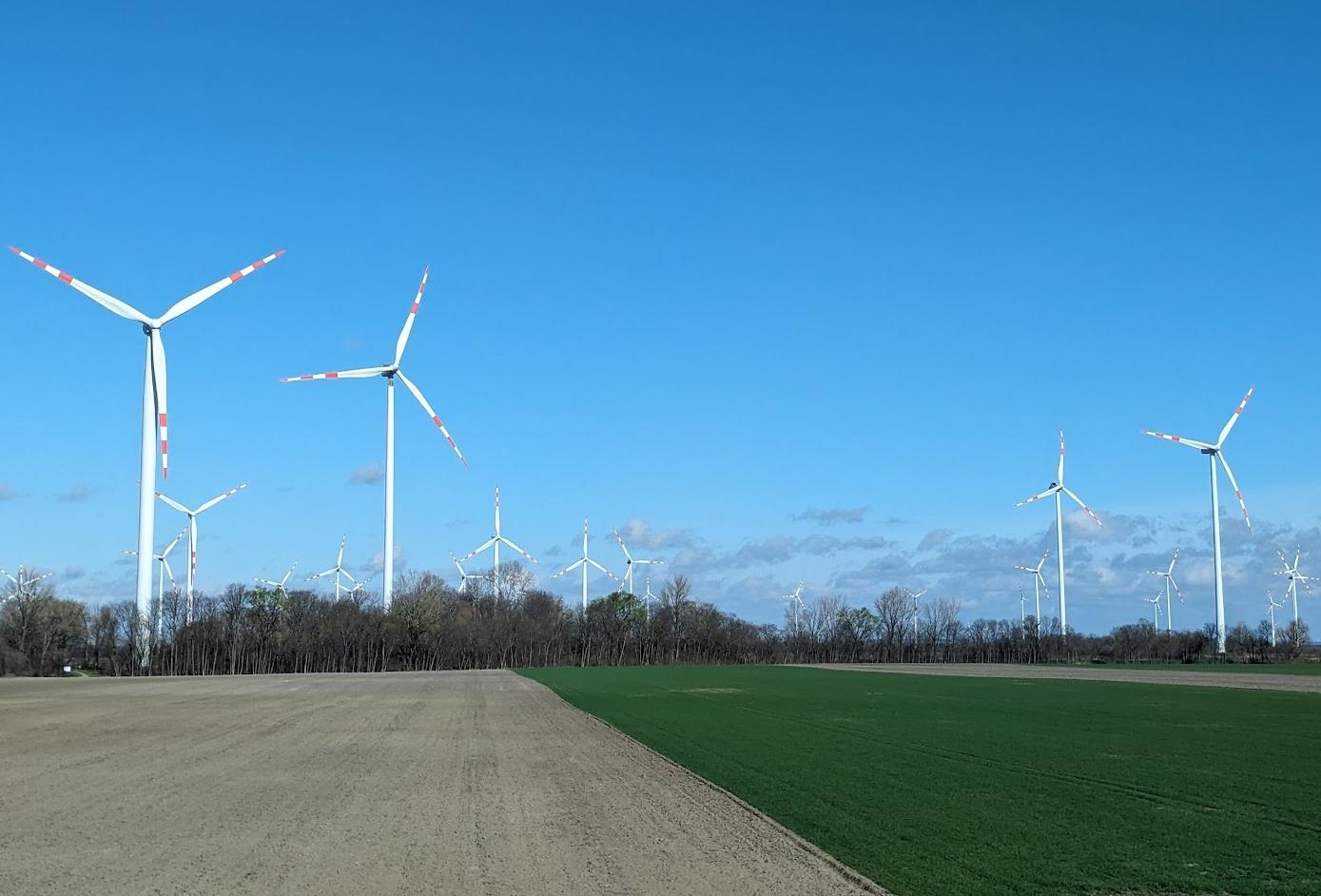
The data underpinning this week’s developments indicates a robust appetite for sustainable assets. As of early November 2026, green bond issuance has surged by approximately 14% year-over-year. The focus on renewable energy, particularly in regions like Austria, underscores a broader European trend: the rapid scaling of wind and solar capacity to achieve energy independence.
Investment research firm data suggests that companies with top-tier ESG ratings are currently experiencing a lower cost of capital, averaging 85 basis points less than their lower-rated counterparts. This "ESG premium" is becoming a quantifiable metric for CFOs, further incentivizing management teams to prioritize sustainability initiatives. Furthermore, the correlation between high-quality sustainability reporting and lower stock price volatility has become more pronounced in the current fiscal quarter, suggesting that investors are using ESG data as a hedge against systemic market shocks.
Official Responses and Industry Sentiment
Industry leaders have largely adopted a pragmatic tone regarding the recent regulatory updates. While some executives have raised concerns regarding the administrative burden of high-fidelity data collection, the consensus among global CEOs is that standardized reporting is essential for market integrity.
"The era of greenwashing is effectively concluding," noted a senior analyst at a leading global investment bank during a press briefing this week. "Regulators are providing the guardrails, and investors are providing the incentives. The companies that thrive in this environment are those that treat sustainability as an operational discipline rather than a marketing exercise."
Conversely, labor unions and non-governmental organizations have pressed for more rigorous enforcement of social KPIs. The emphasis is shifting toward "The ‘S’ in ESG," with demands for greater transparency on living wage policies, diversity, equity, and inclusion (DEI) metrics, and human rights due diligence within global value chains.
Implications for Global Capital Markets
The implications of the current week’s activities extend far beyond the immediate reporting cycle. We are seeing a fundamental reconfiguration of the investment thesis. First, the integration of ESG into mainstream financial analysis means that "non-financial" data is now treated with the same level of scrutiny as GAAP or IFRS balance sheets. This move reduces information asymmetry and allows for more efficient capital allocation.
Second, the geographic focus on renewable energy, particularly in the Central European theater, highlights how regional energy security strategies are now inextricably linked to global climate policy. As nations look to diversify their energy portfolios, the capital intensity of these projects requires long-term, stable regulatory frameworks.
Finally, the focus on supply chain transparency is forcing a move toward "circularity." Companies are increasingly investing in technologies that allow for real-time carbon footprint monitoring across the entire product lifecycle. This not only mitigates regulatory risk but also drives operational efficiency, as companies identify and eliminate energy-intensive bottlenecks in their production processes.
Strategic Outlook for the Coming Quarter
As we move into the final weeks of 2026, market participants should anticipate continued volatility as firms adjust their balance sheets to reflect the new realities of climate-related financial risk. The focus will likely shift from the "what" of reporting—gathering the data—to the "how" of execution—the strategic deployment of capital to reduce emissions and improve social outcomes.
Analysts expect a heightened level of engagement from activist shareholders, particularly in the energy and materials sectors. These stakeholders are likely to leverage the new disclosure requirements to hold boards accountable for their transition plans. For the average investor, this suggests that the landscape of ESG will become more complex, requiring a deeper understanding of how specific sustainability risks impact company valuations.
Conclusion: The New Normal
The events of the week illustrate that ESG is no longer a peripheral concern for the investment community. It is the central nervous system of modern corporate strategy. The convergence of strict regulatory oversight, the maturation of data collection technologies, and a clear financial imperative for sustainability has created a environment where the transition to a low-carbon, equitable economy is not only possible but inevitable.
As the year draws to a close, the focus for corporations will remain on the integrity of their disclosures. The market has proven that it is capable of distinguishing between superficial commitments and substantive change. In the long term, this period of intensified scrutiny and structural realignment will likely serve as the foundation for a more resilient and transparent global financial system. The transition is ongoing, the data is becoming clearer, and the mandate for change is stronger than ever. Investors, policymakers, and corporate leaders alike are entering a period where the traditional definitions of success are being rewritten to encompass the long-term health of our planet and the stability of our global institutions.