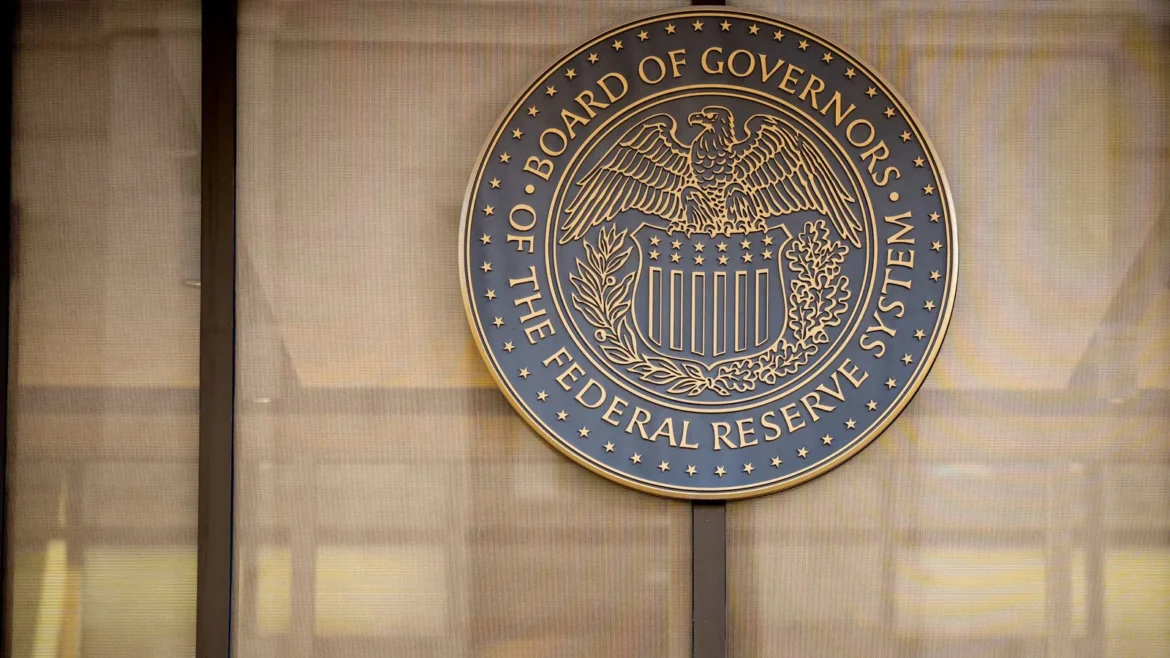
The Federal Reserve has officially unveiled its long-awaited proposed rules governing stablecoin issuers, marking a critical step in bringing the rapidly expanding digital asset sector under formal federal oversight. Released on Thursday, September 25, 2026, the framework mandates that stablecoin issuers back their digital tokens with high-quality, highly liquid assets, prominently featuring U.S. Treasury bills. Furthermore, the proposal introduces a comprehensive application process for banking institutions seeking to issue their own stablecoins.
This regulatory action comes in response to the Genius Act, a federal statute that requires U.S. financial regulators and the Department of the Treasury to establish a cohesive national regulatory framework for the stablecoin industry. While the Fed’s proposal is a monumental addition to the regulatory landscape, it also highlights delays within the central bank, which missed the initial statutory deadline established by the legislation.
As the digital asset market continues to intersect with traditional banking, the Federal Reserve’s newly outlined guardrails aim to mitigate financial stability risks, protect everyday consumers, and ensure that stablecoins can maintain their peg under extreme market pressure.
Core Components of the Federal Reserve Proposal
Under the newly proposed regulations, the Federal Reserve seeks to enforce rigorous financial and operational standards across the stablecoin ecosystem. The mandate rests on several foundational pillars:
- High-Quality Liquid Asset (HQLA) Backing: Issuers will be legally required to maintain reserves composed strictly of safe, highly liquid instruments, primarily short-term U.S. Treasury bills. This ensures that the assets backing the stablecoins can be liquidated rapidly without significant loss of value.
- Capital and Risk Management Standards: The proposal imposes strict capital requirements designed to absorb credit and operational risks. Issuers must also adopt robust risk management protocols to govern their day-to-day operations.
- Custodial Guidelines: For Federal Reserve-supervised institutions that take on the responsibility of safekeeping the underlying assets backing stablecoins, the rules establish specialized protocols to guarantee the absolute segregation and security of those reserves.
- Bank Application and Appeal Process: The framework outlines a formal process for commercial banks wishing to issue stablecoins, complete with structured procedures for appeals, hearings, and final determinations by regulatory boards.
Fed Governor Michael Barr emphasized the absolute necessity of these stringent requirements in a public statement issued alongside the proposed rules.
"[T]he regulatory framework for stablecoins needs to provide strong guardrails and consumer protections so that new instruments can foster payments improvements that benefit households and businesses," Barr said. He further stressed that the core promise of a stablecoin depends entirely on its redeemability. "Stablecoins will only be stable if they can be reliably and promptly redeemed at par in a range of conditions. This includes during market stress, when pressure can be put on the value of even otherwise liquid government debt, and during episodes of strain on the individual issuer or its related entities."
Regulatory Chronology and the Genius Act Mandate
The path to the Federal Reserve’s current proposal has been marked by a collaborative, albeit staggered, interagency process governed by the Genius Act. The legislation explicitly tasked federal financial regulators and the Treasury Department with establishing uniform rules to oversee the issuance and operation of stablecoins nationwide.

Originally, the statutory framework dictated that all relevant agencies complete their proposed regulations by July of 2026. This timeline placed immense pressure on regulatory bodies, leading to a staggered rollout of proposals across different financial watchdogs over the course of the year:
- February 2026: The Office of the Comptroller of the Currency (OCC) and the National Credit Union Administration (NCUA) jumpstarted the interagency rulemaking process by releasing their respective stablecoin application and payment rules.
- April 2026: The Federal Deposit Insurance Corporation (FDIC) followed suit, approving a comprehensive proposal to implement the core requirements and safety standards mandated by the Genius Act.
- August 2026: The Department of the Treasury issued its administrative proposals, focusing on broader monetary and systemic risk implications.
- September 25, 2026: The Federal Reserve officially released its long-anticipated proposal, lagging slightly behind the initial July deadline set by the legislation.
To date, despite the flurry of regulatory activity throughout the year, no federal agency has officially finalized its stablecoin rules. The Fed’s latest proposal will remain open for public comment for a 60-day window following its official publication in the Federal Register, inviting feedback from banking institutions, fintech firms, consumer advocacy groups, and cryptocurrency stakeholders.
Analyzing the Implications for Banks and Fintechs
The introduction of the Federal Reserve’s proposal carries profound implications for both traditional financial institutions and the broader digital asset industry. By creating a formalized pathway for banks to issue stablecoins, the central bank is signaling that regulated financial institutions are permitted to participate in the tokenized economy, provided they adhere to traditional banking prudential standards.
However, the high bar set by the requirements may present compliance challenges. Requiring full backing by ultra-safe assets like Treasury bills eliminates the yield-generating strategies that some private, unregulated stablecoin issuers have historically relied upon, such as investing in commercial paper or riskier corporate debt. While this conservative approach prioritizes safety and liquidity, it may compress profit margins for prospective issuers.

Furthermore, the strict custody rules for Fed-supervised institutions ensure that the plumbing of the financial system remains insulated from crypto-market volatility. If a stablecoin issuer experiences a "run" or a crisis of confidence, the underlying Treasuries must be liquid enough to satisfy redemption requests at par value instantly, neutralizing the contagion risk that could otherwise spill over into broader sovereign debt markets.
Broader Market Reaction and Next Steps
Industry analysts and legal experts are currently dissecting the text of the Federal Reserve’s proposal to gauge how it aligns with the rules previously issued by the OCC, FDIC, NCUA, and the Treasury. Harmonization across these regulatory bodies is viewed as essential to prevent regulatory arbitrage, wherein issuers might seek out the most lenient federal supervisor.
Consumer protection advocates have largely welcomed the emphasis on 1:1 par redemption guarantees, arguing that past crypto-market disruptions demonstrated the catastrophic impact of de-pegging events on retail investors. Conversely, some fintech innovators have expressed concern that overly burdensome capital and operational requirements could stifle innovation, potentially driving smaller stablecoin projects out of the U.S. market or pushing them into offshore jurisdictions.
As the 60-day public comment period begins, the Federal Reserve and its fellow regulators face the complex task of balancing innovation-friendly payment modernization with the absolute necessity of financial stability. The ultimate finalization of these rules, anticipated in late 2026 or early 2027, will permanently reshape how digital dollars are minted, backed, and regulated in the United States.