
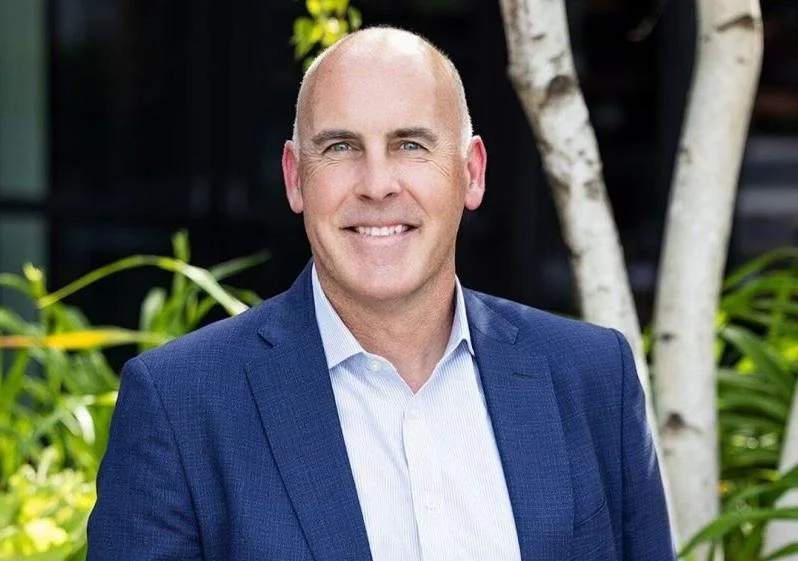
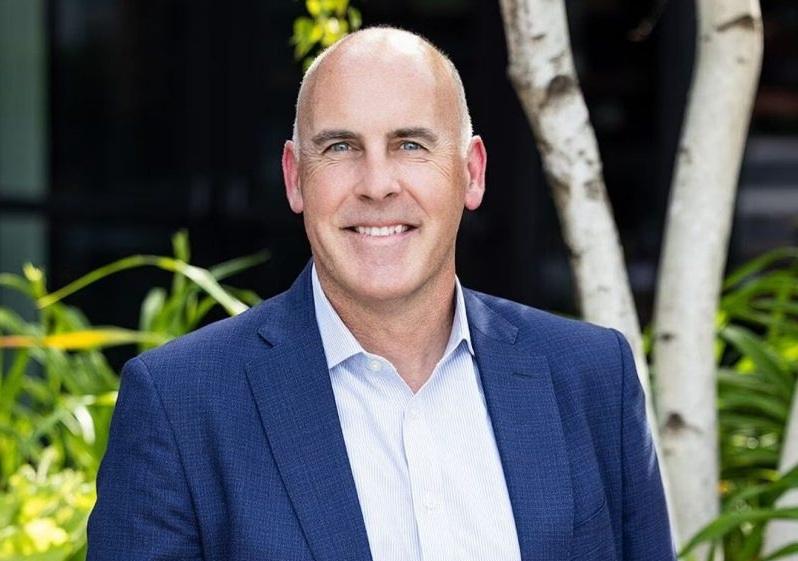
Builders Vision, the prominent Chicago-based platform dedicated to integrating philanthropy with high-impact investment, has officially announced a significant leadership transition. Matt Knott, who has served as the organization’s President and Chief Operating Officer since 2019, has been appointed as the new Chief Executive Officer. Concurrently, the firm has named Lisa Forbes as its Chief Strategy Officer. This executive reshuffle marks a new chapter for the firm, which manages over $20 billion in assets and serves as a primary vehicle for the sustainable investment initiatives of Walmart heir Lukas Walton.
A Strategic Leadership Transition
The appointment of Matt Knott is the culmination of a planned succession strategy that has been in motion for the past year, during which Knott served as interim CEO. Lukas Walton, who founded Builders Vision in 2018 and has held the CEO role since its inception, will transition to the position of Executive Chairman. In this new capacity, Walton will continue to guide the overarching vision of the firm while stepping back from day-to-day operational management.
Knott’s elevation to the CEO role is widely viewed as a signal of institutional continuity. Having joined the firm shortly after its founding, he was instrumental in building its organizational architecture, investment thesis, and operational framework. Before his tenure at Builders Vision, Knott was the President of Feeding America, one of the nation’s largest hunger-relief organizations. His background in large-scale nonprofit management, combined with his recent experience steering the firm’s investment portfolios, positions him to bridge the gap between traditional philanthropy and market-rate impact investing.
Lisa Forbes, now officially appointed as Chief Strategy Officer, brings a robust legal and compliance background to the executive team. Having previously served as the firm’s General Counsel, she has played a critical role in navigating the complex regulatory landscapes that govern both private equity investments and charitable grant-making. Her transition to a strategy-focused role suggests that Builders Vision intends to double down on its structural integration of legal, financial, and impact-driven objectives.
The Evolution of Builders Vision: A Chronology
The trajectory of Builders Vision reflects the broader shift in the global investment landscape toward "blended finance"—a model that combines philanthropic capital with private equity to de-risk and scale sustainable solutions.
- 2018: Lukas Walton founds Builders Vision in Chicago, establishing a firm designed to address systemic issues in food, agriculture, energy, and ocean health.
- 2019: Matt Knott joins the organization as President and COO, bringing his experience from the nonprofit sector to help operationalize Walton’s vision.
- 2020–2022: The firm scales rapidly, diversifying its assets under management (AUM) and refining its focus on direct investments and fund-of-funds structures.
- 2025: Builders Vision hits the $20 billion AUM milestone, solidifying its status as one of the most significant family-office-adjacent impact platforms in the United States.
- 2026 (Early): Lukas Walton initiates the leadership transition, with Matt Knott serving as interim CEO to ensure a seamless handoff of operational responsibilities.
- November 2026: The appointments of Knott as CEO and Forbes as CSO are formally announced to the public.
Defining the Investment Mandate
Builders Vision operates on the principle that systemic change requires a spectrum of capital. Unlike traditional investment firms that focus exclusively on maximizing internal rates of return (IRR), or traditional foundations that focus exclusively on grant-making, Builders Vision operates at the intersection of both.
The firm’s investment strategy is segmented into three primary pillars:
- Sustainable Food and Agriculture: Supporting technologies and supply chain innovations that improve soil health, reduce food waste, and increase the resilience of food systems against climate change.
- Healthy Oceans: Investing in the "blue economy," including sustainable aquaculture, plastic reduction technologies, and marine conservation efforts that also provide economic yields.
- Clean Energy: Targeting the decarbonization of the grid and the adoption of renewable energy technologies through both infrastructure projects and venture-stage climate tech companies.
The firm’s $20 billion portfolio is diversified across public and private markets, allowing it to exert influence not just through private equity rounds but also through shareholder advocacy and institutional engagement in public markets.
Market Context and Implications
The appointment of a seasoned executive like Knott at a time when the firm manages $20 billion reflects a broader maturation of the impact investing sector. Historically, impact investing was treated as a niche "alternative" asset class. However, the success of platforms like Builders Vision indicates that institutional-grade impact investing is becoming a standard feature of modern wealth management.

Market analysts suggest that the leadership change is unlikely to alter the firm’s core mission but may signal a more aggressive phase of capital deployment. Under Knott’s leadership, the firm has already demonstrated an ability to generate strong portfolio performance, which provides the necessary financial runway to sustain its philanthropic activities. By maintaining a balance between high-growth investments and mission-aligned grants, the firm is insulating its impact objectives from the volatility of public markets.
Furthermore, the appointment of a Chief Strategy Officer in Lisa Forbes suggests that the firm is preparing for an increasingly complex regulatory environment. As global standards for ESG reporting and sustainability disclosures tighten, firms like Builders Vision must ensure that their "impact" claims are backed by rigorous, auditable data. Forbes’ experience as General Counsel and Chief Compliance Officer at Sheffield Asset Management is particularly relevant in this regard, as it equips the firm to handle the intersection of fiduciary duty and impact reporting.
Official Statements and Future Outlook
In a public statement regarding the transition, Matt Knott emphasized the importance of the firm’s "talented team" and "powerful network of partners." He noted: "Builders Vision now has more than $20 billion in assets under management, driven in part by the strong performance of our portfolios. We have a unique ability to deploy investment and philanthropic capital to scale promising solutions in food and agriculture, energy, and oceans."
For observers of the firm, the key takeaway is the stability of the long-term vision. Lukas Walton’s transition to Executive Chairman ensures that the founding DNA of the organization remains intact, while the professionalization of the management team under Knott and Forbes indicates that the firm is ready to operate on a larger, more sophisticated scale.
The Road Ahead: Scaling Solutions
As the firm enters the final months of 2026, the primary challenge for the new leadership team will be the continued scaling of its sustainable solutions. The transition comes at a time when climate-related investments are facing both significant opportunity and increased scrutiny. The global push toward net-zero emissions requires massive capital inflows into infrastructure and technology, a space where Builders Vision is already heavily positioned.

The integration of philanthropic capital into this process provides the firm with a "risk-tolerant" bucket of funds, which can be used to support early-stage research or pilot programs that may not yet be ready for traditional venture capital. This structure creates a "virtuous cycle": philanthropy de-risks a nascent technology, and once the technology proves viable, the firm’s investment arm can provide the growth capital necessary for widespread market adoption.
Looking forward, the leadership at Builders Vision appears focused on deepening its existing partnerships and expanding its influence in the policy-adjacent spheres of food and energy security. With $20 billion in capital and a refreshed executive team, the firm is well-positioned to maintain its trajectory as a leading force in the global effort to align capital with the urgent needs of the planet. The appointment of Matt Knott is not merely a change in personnel; it is a declaration that the era of "experimental" impact investing is over, and the era of institutional-grade, mission-driven capital management has arrived.
