
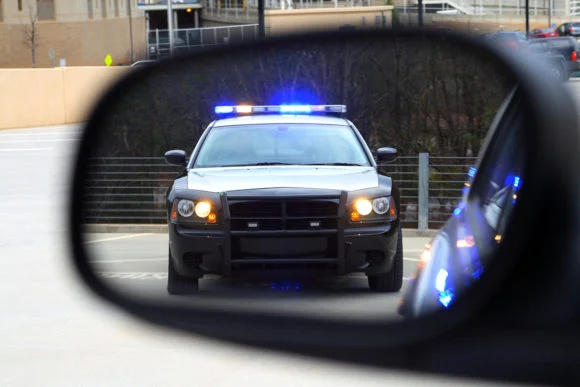
The Pennsylvania Department of Transportation (PennDOT), in a coordinated effort with counterparts in Ohio and West Virginia, has officially launched Operation Safe Holiday, an expansive, multi-state initiative designed to drastically reduce the frequency of traffic-related fatalities and injuries during the high-volume winter travel season. This regional partnership, which remains in effect through January 1, 2027, represents a unified front against the primary causes of highway tragedies: impaired driving, failure to utilize seat belts, and the pervasive issue of distracted driving. As millions of motorists prepare to traverse the interconnected corridors of the Appalachian and Mid-Atlantic regions, law enforcement agencies are signaling a zero-tolerance approach to traffic violations that jeopardize public safety.
The Scope and Strategic Objectives of Operation Safe Holiday
Operation Safe Holiday is not merely a seasonal awareness campaign; it is a tactical deployment of state troopers, local police, and highway safety officials. The operation is structured around several high-visibility enforcement windows, beginning with the Thanksgiving mobilization and extending through the New Year’s Day holiday. By synchronizing efforts across state lines, authorities aim to eliminate the "jurisdictional loopholes" that impaired drivers often believe they can exploit when crossing borders between Pennsylvania, Ohio, and West Virginia.
The initiative focuses on three core pillars:
- Impaired Driving Deterrence: Utilizing roving patrols and static sobriety checkpoints to identify and intercept drivers under the influence of alcohol or narcotics.
- Occupant Protection: Aggressive enforcement of "Click It or Ticket" mandates, ensuring that all vehicle occupants—regardless of seating position—are properly restrained.
- Distraction Mitigation: Strict adherence to hands-free legislation, specifically targeting the use of handheld electronic devices that divert a driver’s attention from the roadway.
A Chronology of Enforcement Efforts
The operational timeline for the 2025-2026 holiday season is structured to align with peak traffic periods when collision risks are statistically highest.
- November 9 – November 30, 2025: The "Click It or Ticket" (CIOT) Thanksgiving Enforcement Mobilization. During this period, Pennsylvania State Police (PSP) are hosting specialized, no-cost child passenger safety seat fitting clinics to ensure the youngest travelers are protected in the event of a collision.
- November 25 – November 29, 2025: Dedicated Thanksgiving impaired driving enforcement period across West Virginia and Pennsylvania, targeting high-traffic corridors and arterial roads.
- November 1 – November 30, 2025: Ohio State Highway Patrol focus on crash-causing violations, including speed, lane departure, and non-compliance with seat belt laws.
- December 1, 2025 – January 1, 2026: The National Highway Traffic Safety Administration (NHTSA) "Drive Sober or Get Pulled Over" campaign, encompassing the most critical phase of the operation. This period features increased nighttime patrols and regional sobriety checkpoints aimed at curbing the rise in impaired driving during holiday social gatherings.
Statistical Context: The Cost of Holiday Negligence
The necessity for this multi-state intervention is underscored by the sobering data recorded during the previous year’s holiday travel period. According to PennDOT’s analytical division, the period spanning the Wednesday before Thanksgiving 2025 through January 2, 2026, saw a significant surge in preventable tragedies.
During these weeks, Pennsylvania recorded 832 alcohol-related crashes, which directly resulted in 18 fatalities and nearly 500 injuries. When combined with drug-related incidents—which accounted for 293 crashes, 15 fatalities, and over 200 injuries—it becomes clear that substance-impaired driving remains the leading cause of preventable death on the commonwealth’s roadways. These figures do not account for the thousands of hours of emergency responder time, medical facility resources, and long-term economic impacts on affected families.
The Role of Legislative Oversight: Paul Miller’s Law
A significant component of the safety strategy in Pennsylvania is the rigorous enforcement of "Paul Miller’s Law." This legislation effectively prohibits the use of hand-held mobile devices while operating a vehicle. Crucially, the law applies not only when a vehicle is in motion but also when it is temporarily stopped at traffic signals, stop signs, or due to heavy congestion.
Legal experts and safety advocates note that the law provides specific, limited exceptions. Drivers are permitted to use hands-free technology for GPS navigation, music streaming, and, most importantly, to contact emergency services. The law is designed to eliminate the "micro-distractions" that occur when a driver glances at a screen to check a notification, which research suggests increases the likelihood of a crash by several orders of magnitude. By strictly enforcing this, Pennsylvania authorities hope to foster a culture of attentiveness that will persist well beyond the holiday season.
Official Statements and Policy Implications
PennDOT Secretary Mike Carroll has been vocal regarding the personal responsibility inherent in safe driving. "Your choices behind the wheel can change lives forever," Carroll stated in a press release regarding the launch of the initiative. "Make safe choices. Designate a sober driver or plan to take a ride share. Put your phone down and always buckle up. In a crash, your seat belt can be the difference between life and death."
This sentiment is echoed by counterparts in the neighboring states. The West Virginia Governor’s Highway Safety Program and the Ohio State Highway Patrol have both emphasized that the holiday season should not be marred by preventable tragedy. By coordinating their messaging and enforcement schedules, these agencies are attempting to create a "psychological deterrent," ensuring that motorists are aware that a heightened police presence is present throughout the entirety of their journey, regardless of which state line they cross.
Broader Impact and Long-Term Safety Goals
The funding for these intensive enforcement campaigns is provided by the National Highway Traffic Safety Administration (NHTSA) through annual distributions to state departments of transportation. This federal-state synergy allows for the purchase of equipment, the funding of overtime hours for law enforcement, and the development of public awareness campaigns.
From a sociological perspective, the Operation Safe Holiday initiative serves as an annual stress test for highway safety infrastructure. Analysts point out that as holiday travel volumes continue to grow annually, the strain on highway systems increases. When human error is introduced into high-density traffic environments, the probability of multi-vehicle pileups rises. By focusing on seat belt usage—which the NHTSA cites as the single most effective way to survive a crash—the operation aims to mitigate the severity of these incidents even when they cannot be entirely avoided.
Implications for the Motorist
For the average citizen, the presence of Operation Safe Holiday means a significantly increased probability of encountering a traffic safety checkpoint or a patrol unit. However, officials emphasize that for those adhering to the law, these measures are intended to facilitate safer, not slower, travel. The objective is to create a predictable flow of traffic where drivers are sober, attentive, and restrained.
The implications for those who choose to ignore these warnings are severe. Beyond the immediate threat of legal consequences—including license suspension, heavy fines, and potential incarceration for DUI offenses—the risk of causing an irreversible life-altering event for oneself or another family is the primary focus of this campaign. As the 2026-2027 holiday season progresses, the tri-state coalition remains committed to the principle that public safety is the foremost priority of transportation governance.
In conclusion, the collaboration between Pennsylvania, Ohio, and West Virginia serves as a model for regional cooperation in public health and safety. By combining legislative mandates, data-driven enforcement, and public outreach, the coalition seeks to reverse the trend of holiday traffic fatalities. As millions of travelers take to the roads, the message from the authorities remains clear: safety is a shared responsibility, and the choice to drive sober and stay buckled up remains the most critical decision a motorist will make this season.
