The global technology and startup community is facing a critical deadline as preparations ramp up for TechCrunch Disrupt 2026, scheduled to take place from October 13 to October 15 at Moscone West in San Francisco. Organizers have announced that the final window to secure exhibit space in the heavily trafficked Expo Hall will close firmly on Friday, October 2, at 11:59 p.m. PT. With just days remaining before bookings officially shut down, early-stage and growth-stage companies are racing to claim their spot in front of an anticipated audience of more than 10,000 founders, venture capitalists, corporate innovators, and international journalists.
TechCrunch Disrupt has long served as a premier launchpad for emerging technologies, acting as a high-visibility crucible where innovative concepts transition into commercially viable products. The forthcoming three-day conference promises to draw thousands of key stakeholders from across the international startup ecosystem, creating a concentrated environment for deal-making, product discovery, and strategic networking. For growing enterprises looking to secure capital, forge enterprise partnerships, or gain media attention, an exhibit presence on the main floor represents an invaluable marketing and operational asset.
The Strategic Importance of the Expo Hall Floor
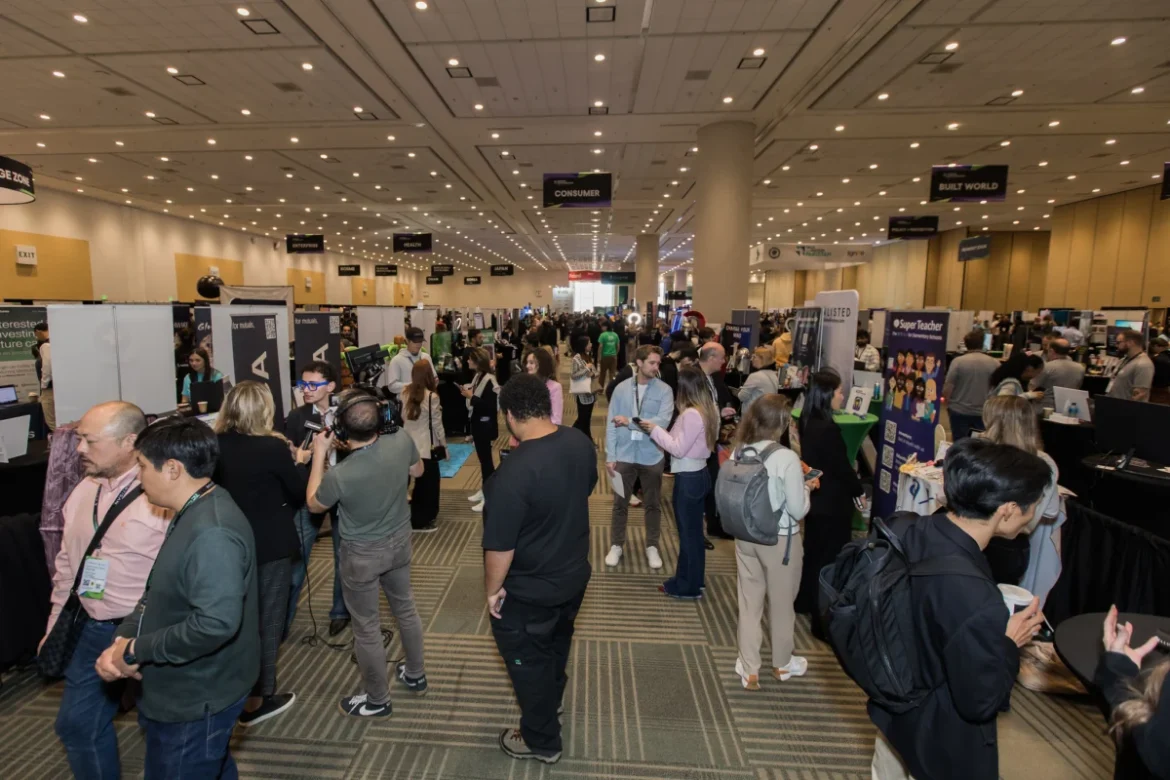
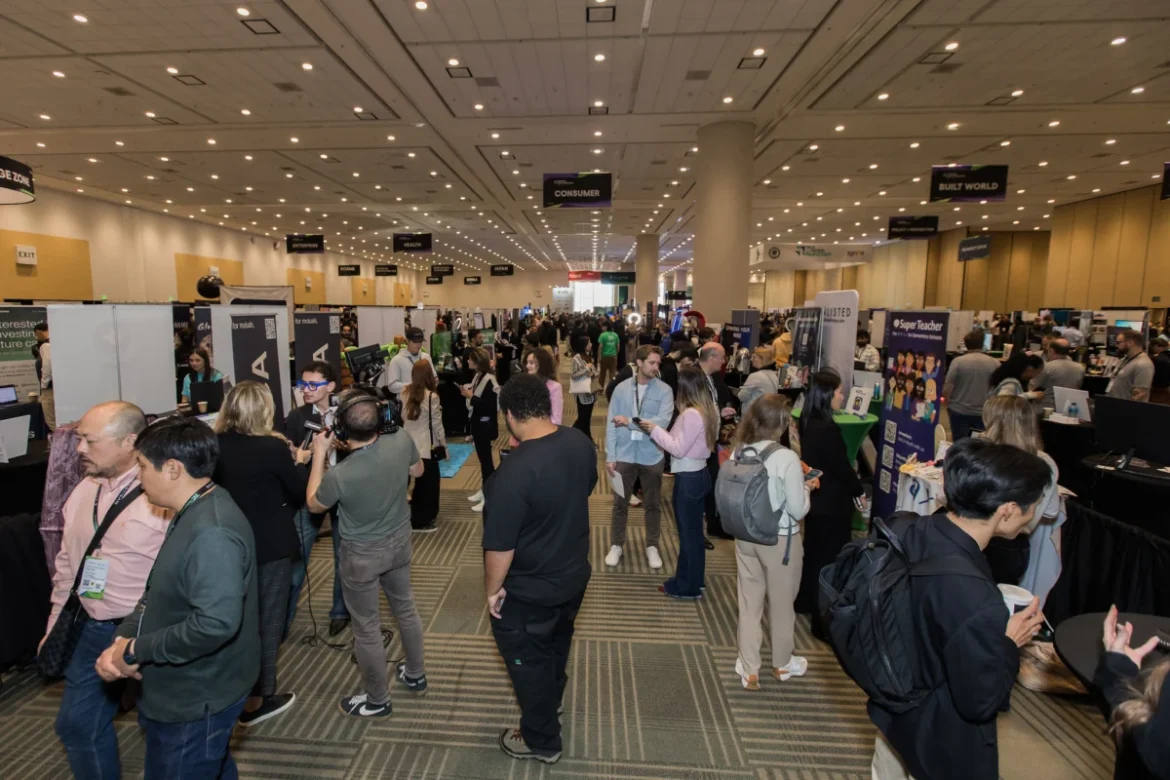
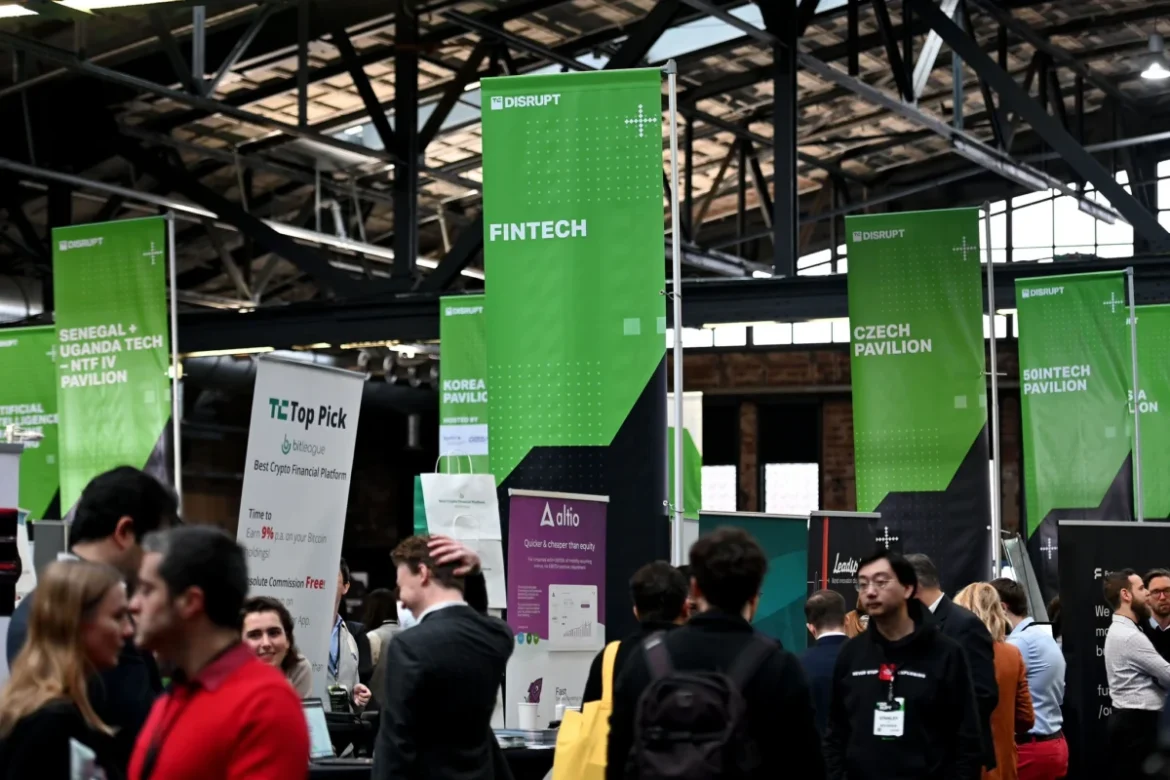
The Expo Hall stands as the central nervous system of TechCrunch Disrupt, functioning as the highest-traffic zone throughout the three-day event. For participating startups, an exhibit table serves as a physical anchor that guarantees continuous visibility among the industry’s most influential decision-makers. Rather than relying on fleeting encounters in hallways or overcrowded keynote sessions, exhibitors are provided with a dedicated platform to demonstrate their hardware, software, or service-based solutions directly to interested parties.
Historical data from previous iterations of Disrupt underscores the tangible value of securing floor space. Founders consistently report that face-to-face demonstrations in the Expo Hall significantly accelerate funding conversations and shorten sales cycles. In an era where digital outreach is increasingly saturated, the tactile and immediate nature of an in-person product exhibition allows technical teams to communicate complex value propositions swiftly and effectively. Venture capitalists and angel investors frequently scour the exhibition floor specifically to discover under-the-radar companies that have yet to hit mainstream venture radar screens, making the venue a prime hunting ground for early-stage investment opportunities.

Comprehensive Exhibitor Package and Perks
Securing an exhibit space involves a financial commitment of $12,500 per startup package, a figure that includes a comprehensive suite of promotional, logistical, and networking benefits designed to maximize return on investment. The standard package centers around a 6-foot by 30-inch dedicated exhibit table positioned strategically within the bustling Expo Hall for the entirety of the three-day conference.
Beyond physical floor space, the package provides ten team passes, enabling growing organizations to deploy a robust contingent of technical, sales, and executive personnel to manage booth traffic and pursue parallel networking tracks. Exhibitors also gain access to advanced lead-generation tools, ensuring that incoming visitor data is captured efficiently for post-event follow-up. Digital visibility is enhanced through dedicated branding on the official event website and mobile application, alongside Silver Tier sponsor recognition. Furthermore, participating founders receive exclusive access to high-value networking components, such as the curated Deal Flow Café and specialized Investor-to-Founder Networking sessions, alongside advance access to the official press list to facilitate media outreach ahead of the conference.
Industry Background and Event Evolution
TechCrunch Disrupt has evolved significantly since its inception, adapting to the shifting dynamics of the global technology sector. Historically recognized as the birthplace of numerous category-defining companies, the conference has continuously refined its programming to reflect contemporary technological priorities. The 2026 agenda places heavy emphasis on structural transformations within artificial intelligence, advanced robotics, enterprise infrastructure, financial technology, and sustainable computing.
The choice of Moscone West in San Francisco reaffirms the event’s deep roots in the Bay Area technology hub, even as global participation expands year over year. The venue provides expansive floor plans capable of accommodating hundreds of exhibiting startups alongside massive keynote stages and specialized breakout rooms. Industry analysts note that physical tech conferences have experienced a robust resurgence in recent years, as stakeholders increasingly recognize the irreplaceable value of spontaneous, in-person serendipity that virtual formats fail to replicate.
Comprehensive Conference Programming Beyond the Expo Floor
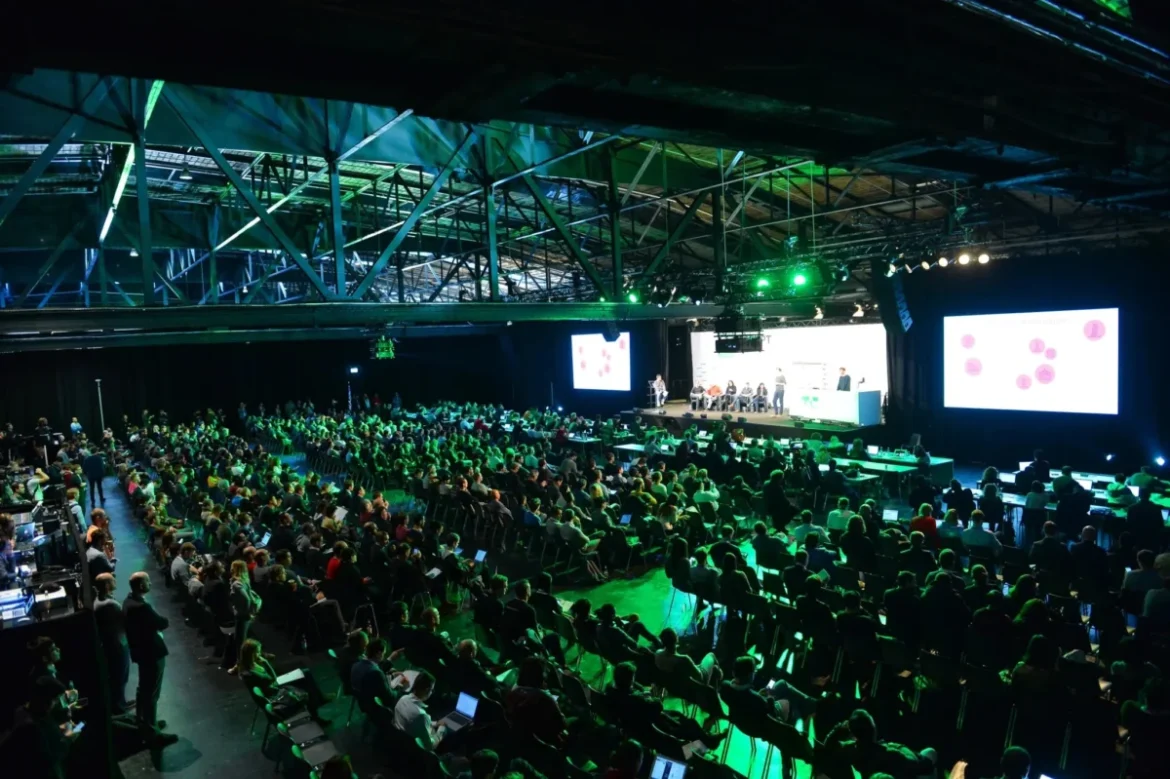
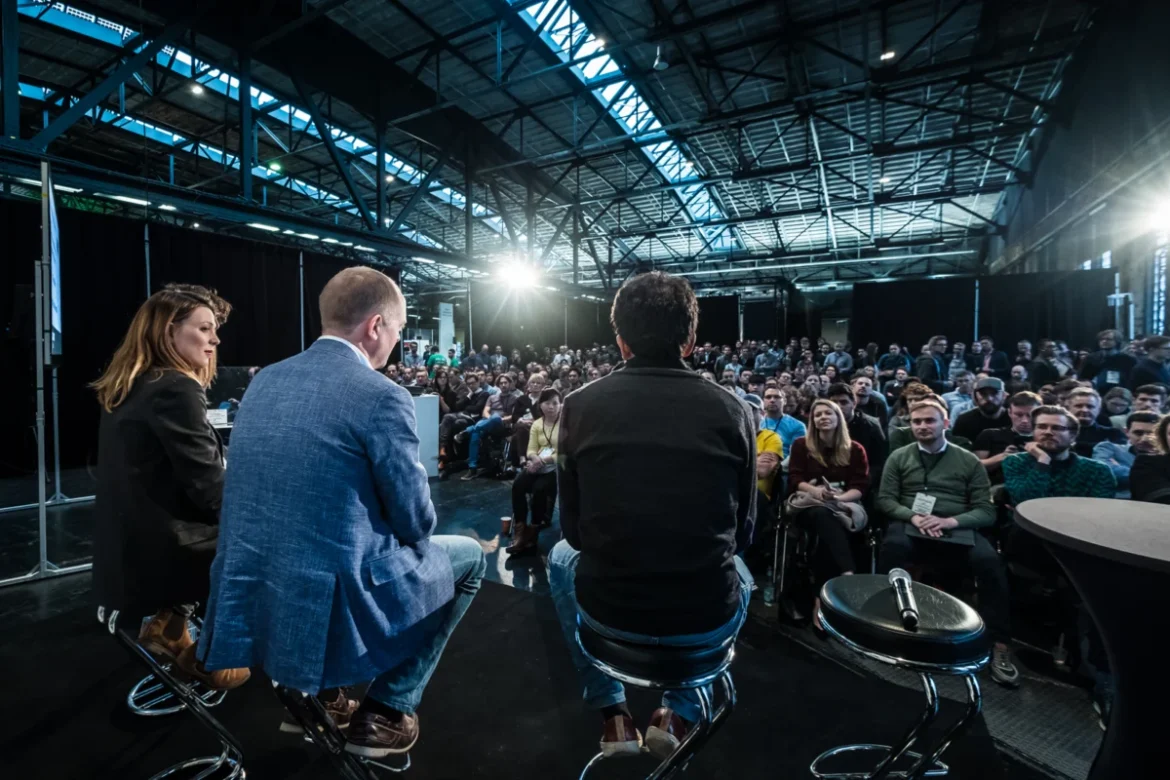
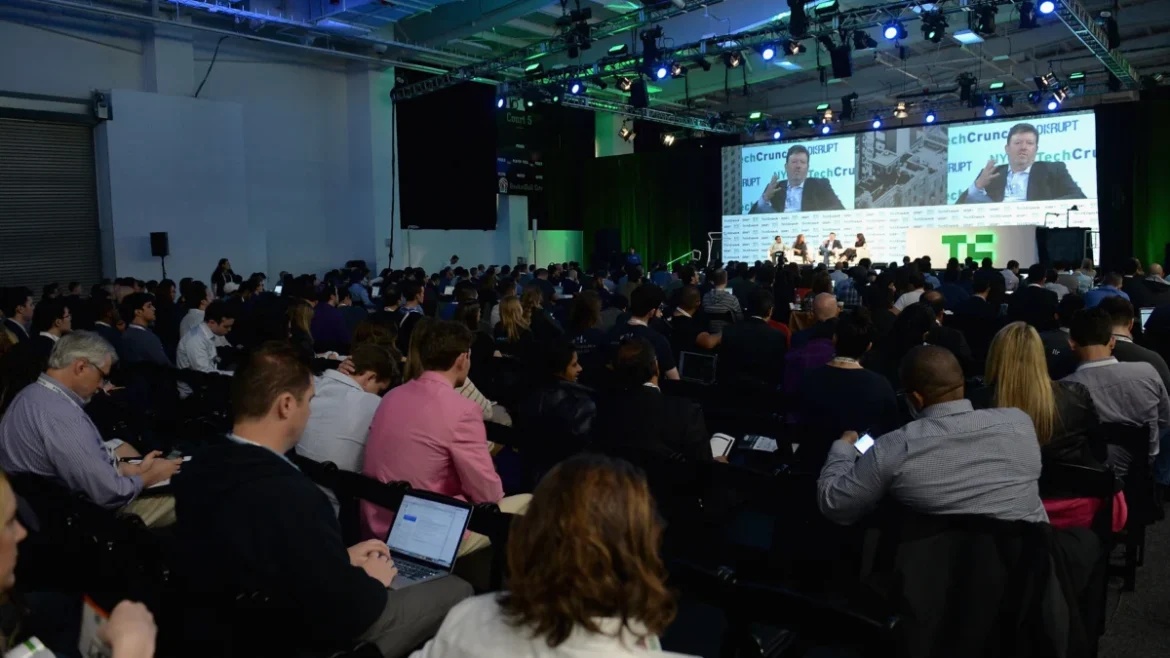
While the exhibition floor captures a significant share of attendee attention, TechCrunch Disrupt 2026 offers an extensive educational and analytical program designed to address the most pressing challenges facing modern technologists. The event features more than 200 interactive sessions distributed across six specialized industry stages, featuring insights from over 250 prominent technology leaders, policymakers, and investors.

The conference curriculum is structured to dissect complex market trends, regulatory shifts, and engineering breakthroughs. Discussions will explore the maturation of generative artificial intelligence models, the integration of automation into legacy supply chains, cybersecurity frameworks in an era of heightened threat vectors, and macroeconomic pressures affecting venture capital deployment. To help attendees navigate this vast wealth of programming and networking opportunities, organizers have integrated AI-powered matchmaking tools into the official event platform. These tools analyze attendee profiles and business objectives to facilitate targeted one-on-one meetings, ensuring that participants can efficiently connect with relevant collaborators, prospective clients, and funding partners.
Chronology of the Final Countdown and Deadlines
The operational timeline leading up to TechCrunch Disrupt 2026 is strictly enforced to ensure smooth logistics for the thousands of participants expected in San Francisco.
- September 30, 2026: The final public push for exhibit bookings is initiated, highlighting the dwindling availability of floor space with seventy-two hours remaining until final closure.
- October 2, 2026 (11:59 p.m. PT): The hard deadline for all startup exhibit bookings. Once this timestamp passes, the portal closes permanently, and no additional tables can be added to the Expo Hall floor plan.
- October 13, 2026: TechCrunch Disrupt 2026 officially opens its doors at Moscone West, welcoming thousands of attendees for the first day of keynotes, panel discussions, and exhibition showcases.
- October 14, 2026: Day two of the conference features intensive networking events, specialized pitch competitions, and peak traffic hours within the Expo Hall.
- October 15, 2026: The final day of TechCrunch Disrupt 2026 concludes with closing remarks, final investor matchmaking sessions, and the wrap-up of exhibition activities.
Implications for Non-Exhibiting Attendees and General Admission
For companies and individuals who choose not to secure an exhibit table, attendance at TechCrunch Disrupt 2026 remains a critical priority for market intelligence and professional development. General admission tickets grant full access to all six industry stages, keynote addresses, and the AI-powered networking platforms.
Observers point out that non-exhibiting attendees—including corporate development executives, venture capitalists, and independent developers—often leverage the conference to scout emerging talent, evaluate competing technologies, and benchmark their own product roadmaps against the broader market. The presence of over 300 exhibiting startups within the Expo Hall provides an unparalleled cross-section of early-stage innovation, allowing observers to identify nascent industry shifts before they become mainstream consensus.
Economic and Strategic Outlook for Participating Startups
The decision to invest in an exhibition space at a Tier-1 technology conference like Disrupt involves careful financial calculation for early-stage companies operating under constrained burn rates. At $12,500, the financial outlay represents a meaningful line item in a marketing or business development budget. However, business strategists emphasize that the concentration of capital and media influence in a single venue over a three-day period offers cost efficiencies that are difficult to replicate through traditional outbound sales channels over several months.

Past participants frequently highlight qualitative outcomes that extend far beyond immediate lead generation. Startups often utilize the intense feedback loop of the exhibition floor to refine their product positioning, test messaging on skeptical enterprise buyers, and secure preliminary validation that proves decisive during subsequent fundraising rounds. Furthermore, the potential for earned media coverage from journalists attending the event can provide enduring brand equity that supports long-term growth objectives.
As the Friday night deadline approaches, the startup community is urged to finalize their exhibition plans swiftly to avoid missing out on what promises to be one of the definitive technology gatherings of the year. With the technological landscape shifting rapidly under the influence of new computational paradigms, securing a physical presence at TechCrunch Disrupt 2026 offers companies a direct channel to shape the conversation surrounding the future of global innovation.