
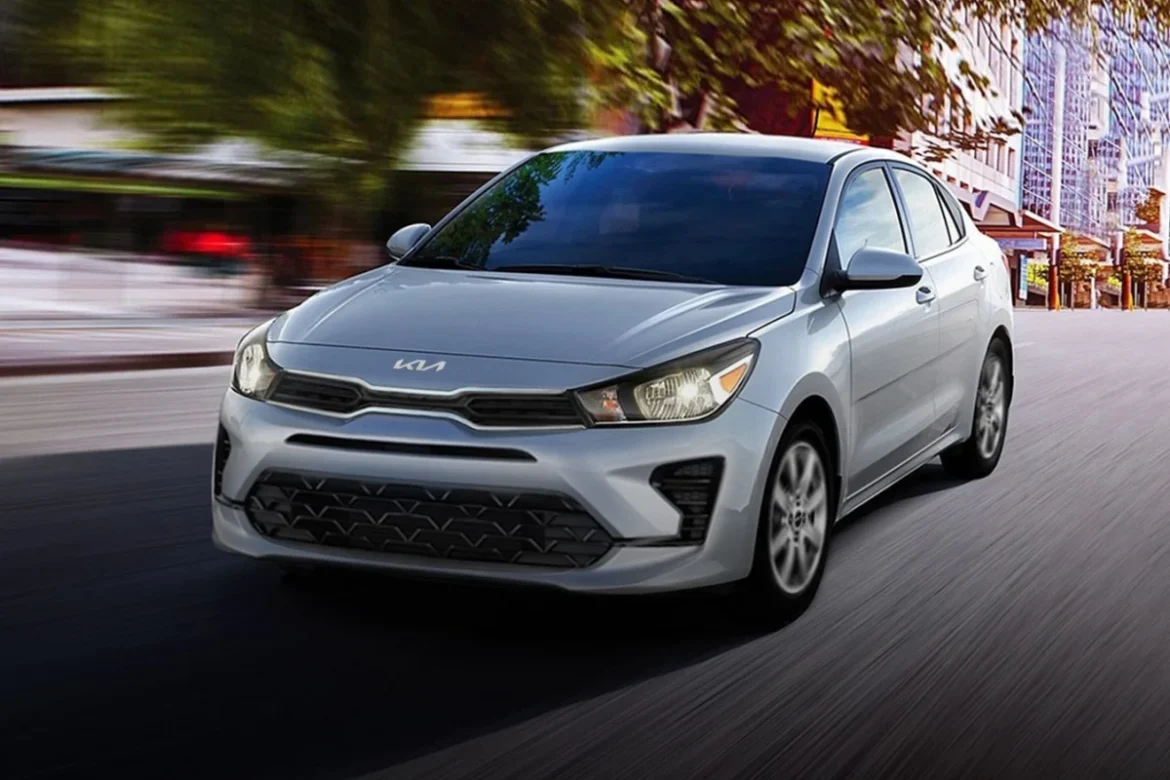
A groundbreaking study recently published in the International Journal of Forecasting, led by UCLA anthropologist Jeffrey Brantingham, provides a sobering long-term outlook for owners of specific Hyundai and Kia vehicle models. The research, which models the trajectory of automotive theft through the year 2050, indicates that the convergence of viral social media trends, manufacturing oversights, and the natural migration of the used-car market has created a multi-decade security crisis for nearly 20 models produced between 2011 and 2022.
The study, supported by the Air Force Office of Scientific Research, suggests that while the initial surge in thefts—popularized by the infamous "Kia Boys" social media challenge—may fade from public consciousness in affluent neighborhoods, the underlying vulnerability of these vehicles will continue to haunt lower-income communities for the next two decades.
A Failure of Security Architecture
The core of the issue lies in a manufacturing decision that deviated from industry standards. Between 2011 and 2022, Hyundai and Kia excluded engine immobilizers from several of their most popular models. An engine immobilizer is an electronic security device that prevents an engine from starting unless the correct transponder key is present. Without this layer of digital verification, a vehicle becomes significantly easier to bypass.
The vulnerability was exacerbated by the design of the ignition cylinder, which could be physically dismantled with basic tools, allowing the vehicle to be started by turning the ignition switch with a common USB cable. This design flaw transformed what should have been a sophisticated criminal act into an entry-level "low-skilled" crime.
Chronology of the Crisis
The surge in thefts did not happen in a vacuum. It was the result of a specific set of environmental conditions that began during the COVID-19 pandemic:
- 2011–2022: Hyundai and Kia produce approximately 20 models without standard engine immobilizers, creating a large, susceptible fleet of vehicles.
- 2020: Pandemic-related lockdowns lead to an increase in idle vehicles on city streets. Simultaneously, school and business closures provide young people with more unstructured time. Reports of thefts begin to rise in cities like Milwaukee, Denver, and Los Angeles.
- 2021–2022: The "Kia Boys" trend gains traction on platforms like TikTok and YouTube. Viral videos serve as both tutorials and social validation, demonstrating how to exploit the ignition weakness.
- 2023–2024: Traditional media outlets and cable news begin reporting extensively on the trend, which ironically increases public awareness of the vulnerability, inadvertently aiding potential thieves.
- 2025: A massive class-action settlement involving 36 states forces a resolution. The manufacturers agree to provide ignition cylinder protectors, software upgrades, and monetary compensation for affected owners.
The Geography of Crime: Market Migration
One of the most profound insights from the UCLA research is the relationship between vehicle depreciation and the shifting geography of crime. When these vehicles were new, they were primarily sold in affluent suburban areas. As the vehicles aged and were traded into the secondary market, they moved toward lower-income regions.
Brantingham’s team found that crime hotspots are not necessarily static; they move in tandem with the "used car lifecycle." As these vehicles lose value, they become more accessible to lower-income buyers. Consequently, while a wealthy neighborhood may stop reporting Kia thefts as the original owners upgrade to newer, secure models, lower-income areas will continue to see these cars arriving in their neighborhoods—often already marked as "easy targets." The researchers predict this pattern will persist, with the "hotspots" of theft migrating through different ZIP codes until the affected fleet effectively exits the road by 2042 to 2050.
Data-Driven Projections
Using modeling techniques and historical data from the Los Angeles Police Department, the UCLA team determined that the "Kia Boys" phenomenon is not merely a transient internet fad. Even with the introduction of software updates and hardware fixes, the sheer volume of vulnerable cars currently in circulation ensures that the risk remains elevated for years.
The model accounts for the rate of vehicle attrition—the speed at which these cars are totaled, scrapped, or stolen—and estimates that the risk of theft for these specific models will remain statistically significant through 2042. This projection challenges the common assumption that once a trend "dies out" on social media, the crime rate returns to baseline. Instead, the study demonstrates that the combination of technological vulnerability and social contagion leaves a lasting "scar" on the automotive landscape.
Responses and Mitigation
In the wake of the crisis, the automotive industry and law enforcement have scrambled to respond. The 2025 class-action settlement marked a turning point, requiring manufacturers to install anti-theft technology in future vehicles. However, for current owners, the responsibility of mitigation remains largely individual.
Security experts and researchers like Brantingham recommend a three-pronged approach for those who own affected models:
- Software Updates: Owners should verify with their local dealerships if their vehicle is eligible for a firmware update that extends the length of the alarm sound and requires the key to be in the ignition to turn the vehicle on.
- Hardware Deterrents: The use of a physical steering wheel lock remains one of the most effective ways to deter an amateur thief. While it does not fix the ignition flaw, it provides a visible signal that makes the vehicle a less attractive target.
- Recall Participation: If a manufacturer issues a safety recall related to the anti-theft system, owners should prioritize scheduling that service immediately.
Broader Implications for Digital Security
The "Kia Boys" saga serves as a case study for how digital information can amplify physical-world vulnerabilities. In previous decades, the knowledge required to bypass a vehicle’s security system was often held within a small circle of specialized thieves. Today, that knowledge is democratized through social media, effectively lowering the barrier to entry for criminal behavior.
This phenomenon raises critical questions for manufacturers regarding the "security by design" philosophy. As cars become increasingly computerized, the reliance on outdated mechanical security in a digital age has proven to be a catastrophic oversight. The UCLA study underscores that manufacturers must now consider not just the mechanical durability of their products, but the social and digital environment in which those products operate.
Conclusion: Looking Ahead
The research from UCLA provides a sobering reminder that technological vulnerabilities have a long tail. While the initial viral surge of the "Kia Boys" may have passed, the thousands of vulnerable vehicles still on the road represent a persistent public safety concern. As these cars continue to cycle through the used-car market, they will continue to present risks, particularly to those in lower-income areas who may not have the resources to replace their vehicles or afford the latest security upgrades.
For owners of affected models, the advice from the research team is clear: recognize the vulnerability, take proactive steps to secure the vehicle, and remain vigilant. The automotive landscape has changed, and for those driving these specific Hyundai and Kia models, the era of "low-skilled" theft is a reality that will persist for the foreseeable future. By understanding the intersection of social media influence and economic migration, owners can better protect their property against a trend that has proven to be far more durable than a typical viral sensation.
