
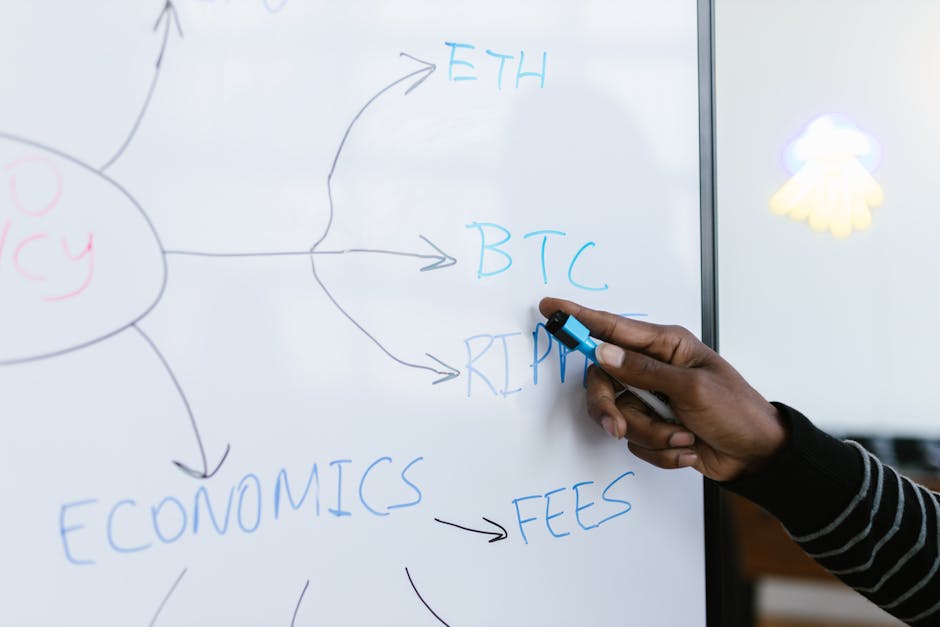
Ripple’s Focus on Crypto Education: Empowering the Next Wave of Digital Asset Adoption
Ripple, a prominent player in the blockchain and cryptocurrency space, has consistently prioritized the advancement of crypto education. This commitment is not merely altruistic; it’s a strategic imperative aimed at fostering a more informed global audience, driving mainstream adoption of digital assets, and ultimately, accelerating the growth of the entire ecosystem. By investing in educational initiatives, Ripple seeks to demystify complex concepts, address common misconceptions, and equip individuals and institutions with the knowledge necessary to navigate the evolving landscape of digital finance. This article delves into Ripple’s multifaceted approach to crypto education, exploring its motivations, key programs, target audiences, and the impact it aims to achieve.
The rationale behind Ripple’s dedication to crypto education is rooted in several interconnected factors. Firstly, the nascent nature of cryptocurrency and blockchain technology means that a significant portion of the global population remains unfamiliar with its fundamental principles, potential applications, and inherent risks. This knowledge gap acts as a significant barrier to entry for potential users, investors, and developers alike. Ripple understands that widespread adoption hinges on a thorough understanding of the technology and its underlying value proposition. Without adequate education, public perception can be easily swayed by misinformation, fear, and speculative bubbles, hindering sustainable growth. Secondly, Ripple’s core mission involves facilitating global payments and unlocking new forms of digital asset utility. To achieve this, it requires a robust ecosystem of developers, financial institutions, and end-users who understand and trust the technology. Education is crucial for building this ecosystem by fostering innovation, encouraging responsible development, and building confidence among institutional players who are often more risk-averse. Finally, the company’s long-term vision is to see the XRP Ledger and its associated technologies become integral to the future of finance. This necessitates a generation of skilled professionals and informed consumers who can leverage these tools effectively.
Ripple’s educational endeavors manifest in a variety of forms, catering to diverse learning needs and demographics. One of the cornerstones of their strategy has been the RippleNet Developer Program. This initiative focuses on empowering developers to build applications and services on the XRP Ledger. It provides comprehensive resources, including documentation, tutorials, APIs, and access to sandbox environments. The program also offers grants and funding opportunities to promising projects, incentivizing innovation and the creation of real-world use cases. By nurturing a strong developer community, Ripple ensures that its technology remains relevant and adaptable to evolving market demands. This program is vital for building the technical infrastructure necessary for widespread adoption, as it encourages the creation of practical solutions that can solve existing financial challenges.
Beyond the developer-centric approach, Ripple also invests heavily in broader community education and outreach. This includes sponsoring hackathons, participating in industry conferences, and developing accessible content that explains the basics of blockchain, cryptocurrency, and Ripple’s own technology. Their website features a wealth of informative articles, blog posts, and explainer videos designed to demystify complex topics for a general audience. These resources often cover subjects such as what is blockchain, how do cryptocurrencies work, the differences between various digital assets, and the potential benefits of using blockchain for financial transactions. By making information readily available and easy to digest, Ripple aims to combat the FUD (Fear, Uncertainty, and Doubt) that often surrounds emerging technologies.
A significant aspect of Ripple’s educational focus involves institutional outreach and engagement. Recognizing that large financial institutions are crucial for mainstream adoption, Ripple actively engages with these entities to educate them about the potential of blockchain technology and digital assets for cross-border payments, tokenization, and other financial services. This often involves direct consultations, workshops, and the sharing of research and analysis. The company aims to demonstrate the tangible benefits of their solutions, addressing concerns around security, scalability, and regulatory compliance. By building trust and understanding among established financial players, Ripple is paving the way for wider integration of its technology into existing financial infrastructure. This can involve explaining the nuances of CBDCs (Central Bank Digital Currencies) and how blockchain technology can underpin their development and distribution.
Ripple also plays a role in academic research and education. The company has supported academic research into blockchain technology and its applications, often collaborating with universities and research institutions. This contributes to a deeper understanding of the field and helps to foster a pipeline of future talent. By engaging with academia, Ripple helps to ensure that the next generation of financial professionals and technologists are well-versed in the principles and potential of blockchain. This can include providing grants for academic papers, sponsoring relevant courses, and offering internships to students. This long-term investment in human capital is critical for sustained innovation and adoption.
The target audience for Ripple’s educational initiatives is intentionally broad, encompassing several key groups. Developers are paramount, as they are the architects of the future of blockchain. By equipping them with the tools and knowledge to build on the XRP Ledger, Ripple fosters an ecosystem that can create innovative solutions. Financial professionals and institutions are another crucial audience, as their adoption is essential for mainstream integration. Educating them on the benefits and practical applications of blockchain technology can accelerate the transformation of the financial industry. Retail investors and the general public are also targeted through accessible content and community outreach. Empowering individuals with a better understanding of cryptocurrencies can lead to more informed investment decisions and a greater appreciation for the potential of digital assets. Finally, policymakers and regulators are increasingly important as the regulatory landscape for digital assets evolves. While not a direct educational program in the traditional sense, Ripple’s proactive engagement and transparent communication contribute to a more informed regulatory environment.
The impact of Ripple’s focus on crypto education is multifaceted and contributes significantly to the broader digital asset space. Firstly, it demystifies blockchain and cryptocurrencies, making them more accessible and less intimidating for a wider audience. This can lead to increased interest, investment, and participation in the ecosystem. Secondly, it fosters innovation, by empowering developers to build new applications and solutions on the XRP Ledger. This drives the creation of real-world use cases that demonstrate the value of blockchain technology. Thirdly, it builds trust and confidence, particularly among institutional players, which is crucial for mainstream adoption. By addressing concerns and providing clear information, Ripple helps to alleviate skepticism. Fourthly, it contributes to a more informed and responsible ecosystem. Educated participants are more likely to make sound decisions, avoid scams, and contribute positively to the growth of the space. Finally, by accelerating adoption, Ripple’s educational efforts indirectly benefit the entire cryptocurrency market by increasing liquidity, network effects, and overall utility.
However, the challenges in crypto education are significant. The rapid pace of technological development means that educational content can quickly become outdated. The inherent complexity of some blockchain concepts requires innovative approaches to make them understandable. Furthermore, combating misinformation and sensationalism, which often dominate public discourse around cryptocurrencies, remains a constant battle. Ripple, like other responsible actors in the space, must continuously adapt its strategies to address these challenges. This might involve investing in AI-powered learning tools, developing interactive simulations, and collaborating with educational influencers to reach new audiences.
In conclusion, Ripple’s unwavering commitment to crypto education is a strategic imperative that underpins its long-term vision. By investing in comprehensive educational programs for developers, institutions, and the general public, Ripple aims to bridge the knowledge gap, foster innovation, build trust, and accelerate the mainstream adoption of blockchain technology and digital assets. Their multifaceted approach, encompassing developer resources, community outreach, institutional engagement, and academic support, demonstrates a deep understanding of the ecosystem’s needs. As the digital asset landscape continues to evolve, Ripple’s dedication to empowering individuals and institutions with knowledge will remain a critical factor in shaping the future of finance. The company’s emphasis on education is not just about promoting its own technologies, but about contributing to a more informed, robust, and ultimately, more successful global digital economy. The long-term success of cryptocurrencies and blockchain technology hinges on widespread understanding and competent utilization, and Ripple’s educational initiatives are a significant force driving that progress.
