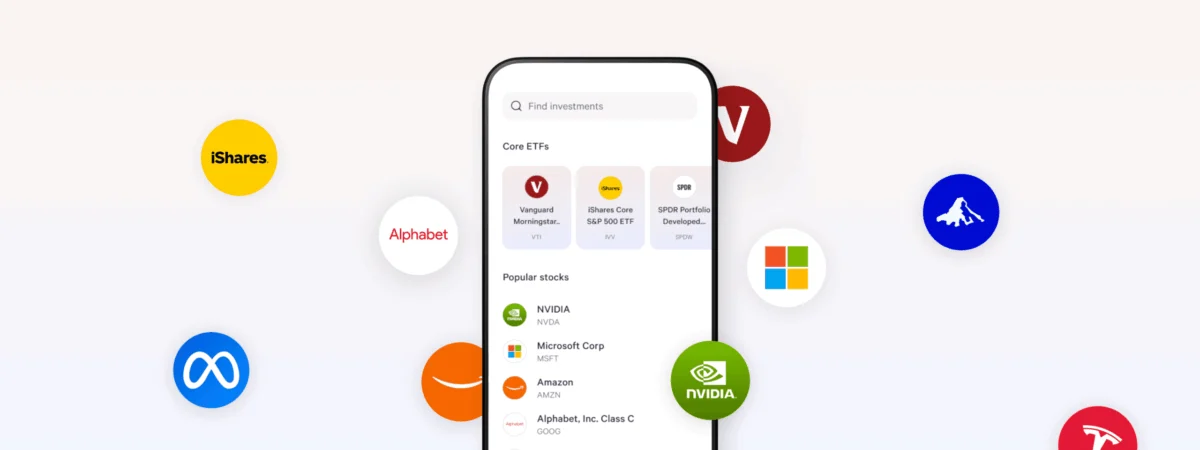
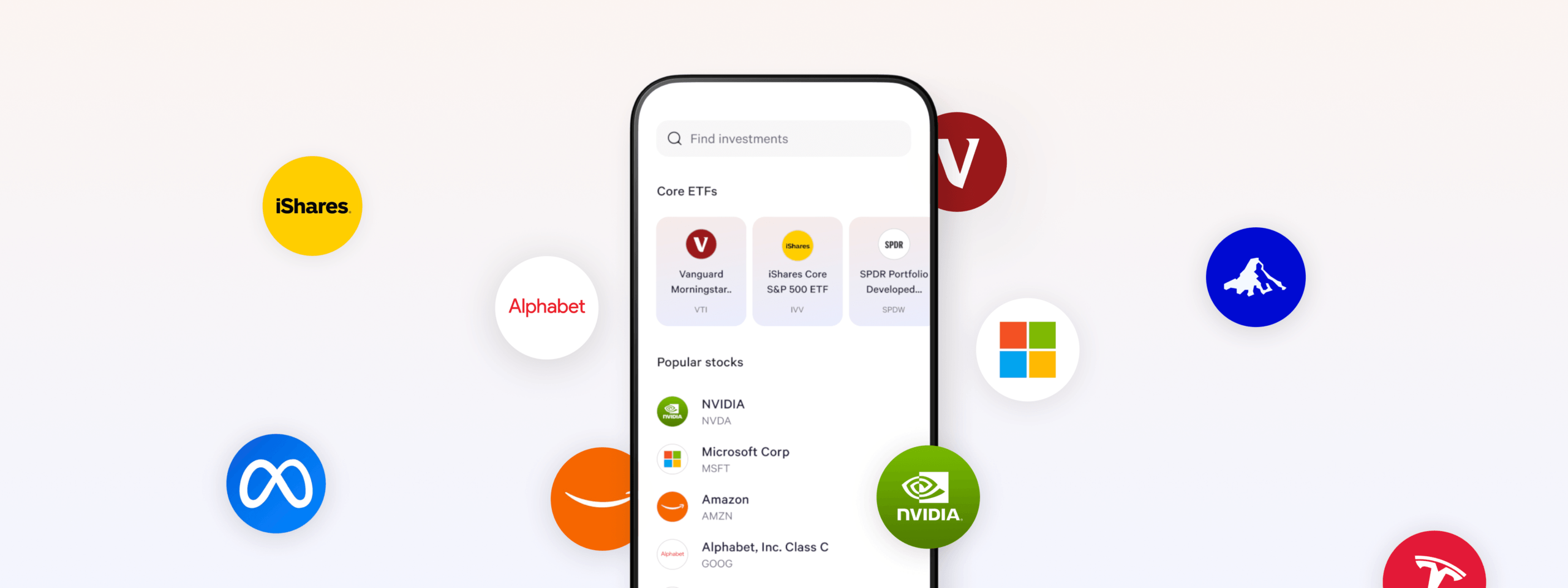
Wealthfront, a prominent player in the automated wealth management sector, has officially announced a significant expansion of its self-directed Brokerage Account features. This strategic move marks a transition from its earlier Stock Investing Account model to a more robust, feature-rich brokerage platform. By integrating advanced trading capabilities such as instant execution, recurring investment schedules, and sophisticated limit orders, the firm aims to capture a larger share of the retail investor market. The upgrade provides users with access to an expanded inventory of over 8,000 stocks and exchange-traded funds (ETFs), signaling a push toward a more comprehensive, all-in-one financial dashboard.
Evolution of the Wealthfront Platform
For years, Wealthfront built its reputation on the "set-it-and-forget-it" model of automated index fund investing. However, the financial technology landscape has shifted significantly over the past half-decade. As retail investors have demanded greater autonomy and the ability to tilt their portfolios toward specific sectors or companies, firms like Wealthfront have been forced to balance their core automated services with self-directed options.
The rollout of these new features represents the culmination of a multi-year effort to modernize the client experience. Previously, Wealthfront clients seeking to buy individual stocks were limited by a more restrictive interface. The new Brokerage Account is designed to be the central hub for a user’s liquid assets, effectively bridging the gap between high-yield cash management and active stock market participation.
Key Functional Upgrades
The core of the recent update lies in the refinement of the execution process. By introducing instant trading during market hours, Wealthfront is aligning itself with the expectations set by modern brokerage standards. Previously, users might have experienced delays in order fulfillment; the current infrastructure allows for near-real-time execution, providing the price transparency that active traders require.
Furthermore, the introduction of limit orders serves as a critical tool for risk management. A limit order allows an investor to specify the maximum price they are willing to pay for a stock or the minimum price they are willing to accept when selling. This feature mitigates the risk of "slippage," where a trade executes at a price significantly different from what the investor anticipated due to rapid market volatility.
The recurring investment feature is equally significant for the long-term investor. By allowing users to automate their purchases of stocks and ETFs, Wealthfront is essentially bringing the discipline of dollar-cost averaging—a staple of their automated products—into the self-directed brokerage environment. This allows users to remain invested consistently, regardless of short-term market fluctuations, which historical data suggests is one of the most effective ways to build wealth over decades.
Integration with Cash Management
A standout feature of the Wealthfront ecosystem remains the tight integration between its Cash Account and the Brokerage Account. In the current interest rate environment, where cash management is a key differentiator, this synergy provides a practical utility. Users can maintain a high-yield Cash Account that accrues interest while keeping funds readily available for market opportunities.
When a user identifies an investment target, the $1 minimum entry point lowers the barrier to entry for younger or less capital-rich investors. This model essentially turns the Cash Account into a "waiting room" for capital, ensuring that money is not sitting idle in a non-interest-bearing checking account while waiting for the right moment to enter the market.
Market Context and Strategic Implications
The timing of this expansion is notable. Financial institutions are currently operating in an environment characterized by increased scrutiny from regulators regarding trade execution quality and the gamification of retail trading. By positioning its Brokerage Account as a "surprisingly simple" alternative, Wealthfront is attempting to strike a balance between providing powerful tools and maintaining an intuitive, low-friction user experience.
Industry analysts observe that this move is a defensive and offensive play. Defensively, it prevents "platform churn," where users might leave Wealthfront to use a separate brokerage app for individual stock picking. Offensively, it positions Wealthfront as a comprehensive financial partner rather than just a robo-advisor. By offering future-facing features like Joint Brokerage Accounts, Trust Brokerage Accounts, and a Portfolio Line of Credit, the company is signaling that it intends to cater to the full lifecycle of a client’s wealth—from initial savings to complex estate planning.
Data-Driven Investing and Accessibility
The expansion to 8,000+ assets is a strategic effort to satisfy the growing appetite for thematic investing. With ETFs covering everything from renewable energy and artificial intelligence to cybersecurity and biotechnology, the breadth of choices allows for a high degree of customization.
According to internal product data provided by Wealthfront leadership, the development of these features was driven by extensive consumer research. The objective was to remove the "analysis paralysis" often associated with traditional brokerage platforms that are cluttered with complex charts and overwhelming data points. By categorizing popular ETFs and stocks, Wealthfront aims to guide new investors toward informed decisions without subjecting them to the intimidation factor of a professional-grade trading terminal.
The Human Element: Leadership Perspective
Dave Myszewski, Vice President of Product at Wealthfront, has been a central figure in this transformation. Myszewski, whose tenure includes early engineering work on the original iPhone at Apple, brings a design-centric philosophy to the platform. His approach prioritizes user-interface efficiency, aiming to reduce the number of taps required to execute a trade.
In public statements regarding the update, Myszewski emphasized the company’s mission to "favor people over institutions." This sentiment reflects the broader disruption of the financial services industry, where traditional high-fee, high-barrier institutions are being replaced by technology-first companies that prioritize transparency and low costs.
Regulatory and Risk Considerations
As with all brokerage services, the expansion comes with necessary disclosures. Wealthfront Brokerage LLC is a member of FINRA and SIPC, meaning client securities are protected within specified limits. However, the company maintains a clear distinction: the platform provides the tools, but the investor bears the responsibility for the outcome.
The distinction between the Cash Account and standard bank deposits is also a vital point of clarity. Because the Cash Account utilizes a sweep program through partner banks, it is not a bank deposit in the traditional sense, though it provides similar yields. These nuances are critical for investors to understand as they move capital between their cash and investment buckets.
Future Roadmap and Industry Outlook
Looking forward, the roadmap for the Brokerage Account appears to focus on deeper integration with estate and credit products. The mentioned plans for Joint and Trust accounts are significant for high-net-worth clients who are currently restricted to individual account types. Furthermore, the Portfolio Line of Credit—a product that allows investors to borrow against their portfolio without selling their assets—represents a sophisticated level of financial management that was historically reserved for private banking clients.
As Wealthfront continues to build out these capabilities, the firm is effectively challenging the status quo of the brokerage industry. Whether this shift toward a hybrid model of automated advice and self-directed trading will redefine the industry standard remains to be seen, but the current expansion provides a clear roadmap of where the company intends to head.
For the average retail investor, the implications are straightforward: more control, greater liquidity, and a more robust set of tools to manage a diversified portfolio under a single, simplified roof. As the firm continues to roll out its planned features, the market will likely be watching to see how successfully it can scale these sophisticated tools while maintaining the user-friendly ethos that initially made the platform a success. In an era where digital financial services are becoming increasingly commoditized, the winners will likely be the platforms that can best balance raw power with ease of use. Wealthfront’s latest update suggests they are betting heavily on that balance.