
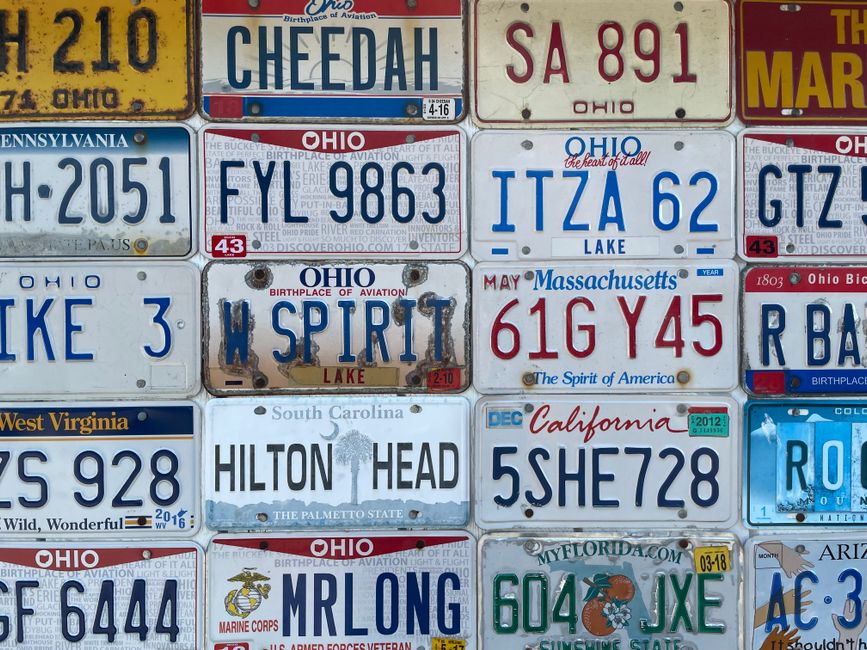
California DMV Digitizes Millions of Vehicle Records: A New Era of Efficiency and Accessibility
The California Department of Motor Vehicles (DMV) has embarked on a monumental digital transformation, successfully digitizing millions of its crucial vehicle records. This ambitious undertaking marks a significant leap forward in the DMV’s operational efficiency, customer service, and data accessibility. The initiative, part of a broader modernization effort, aims to streamline processes, reduce paper dependency, and ultimately create a more user-friendly experience for millions of Californian vehicle owners. This digitization project, encompassing a vast repository of information pertaining to vehicle registrations, titles, and ownership transfers, is a strategic move designed to bring the state’s motor vehicle agency into the 21st century. The sheer volume of data being processed and digitized is staggering, reflecting the sheer scale of vehicle ownership in California, the most populous state in the United States.
The core objective behind digitizing millions of vehicle records is multifaceted. Firstly, it directly addresses the longstanding challenges associated with paper-based record-keeping. Physical files are prone to degradation, loss, and are cumbersome to access and manage. By transitioning to a digital format, the California DMV ensures the long-term preservation and integrity of vital information. This digital archive allows for faster retrieval of records, a critical factor in responding to customer inquiries, law enforcement requests, and legal proceedings. The elimination of paper also translates into significant cost savings, reducing expenses related to storage, printing, and manual processing. Furthermore, a digitized system enhances data security, as digital records can be protected with robust encryption and access controls, mitigating the risks associated with physical document compromise. This fundamental shift from paper to pixels is foundational to achieving greater operational agility and responsiveness.
The scope of the digitization effort is extensive, covering a vast array of vehicle-related documentation. This includes, but is not limited to, historical and current vehicle registration certificates, title documents, lienholder information, ownership transfer records, and associated application forms. The process involves sophisticated scanning technology, optical character recognition (OCR) to extract text from scanned documents, and advanced data management systems to organize and index the digitized information. The scale of this project necessitates significant investment in both technology and human capital. Dedicated teams of professionals have been tasked with the meticulous work of scanning, verifying, and cataloging millions of documents, ensuring accuracy and completeness. The data migration process itself is a complex logistical challenge, requiring careful planning and execution to avoid data loss or corruption. This comprehensive approach ensures that no critical piece of vehicle history is left behind in the transition.
One of the most significant benefits of this digitization initiative is the anticipated improvement in customer service. For too long, Californians have experienced lengthy wait times and complex procedures when interacting with the DMV. A digitized system allows for faster processing of transactions, such as vehicle sales, registration renewals, and title transfers. Customers will eventually be able to access certain vehicle-related information and complete transactions online, significantly reducing the need for in-person visits to DMV offices. This shift towards online self-service is a key component of the DMV’s modernization strategy, aimed at providing greater convenience and accessibility to its constituents. Imagine a future where renewing your vehicle registration or transferring ownership can be done from the comfort of your home, without the need to stand in line for hours. This is the promise of a fully digitized system.
The impact of digitized vehicle records extends beyond customer convenience; it also bolsters public safety and law enforcement capabilities. Law enforcement agencies often rely on immediate access to accurate vehicle information for investigations, traffic stops, and to identify stolen vehicles. A digitized and easily searchable database allows officers to obtain critical information much faster, enhancing their effectiveness and contributing to a safer environment for all Californians. The ability to quickly cross-reference vehicle data with other databases, such as those maintained by the FBI or other state agencies, becomes significantly more efficient. This interoperability is a crucial aspect of modern public safety initiatives, and digitized DMV records are a vital piece of that puzzle. The implications for rapid response and crime solving are substantial.
Moreover, the digitization of millions of vehicle records plays a critical role in fraud prevention and detection. Paper documents can be easier to forge or alter. A secure, digital system with robust audit trails makes it much more difficult for individuals to perpetrate fraudulent activities related to vehicle ownership or registration. The ability to track the history of a vehicle’s title and ownership with a high degree of certainty helps to prevent title washing, odometer fraud, and other illicit activities. This enhanced security contributes to the integrity of the vehicle market and protects consumers from becoming victims of fraud. The financial implications of vehicle-related fraud are substantial, and this initiative offers a proactive defense against such criminal enterprises.
The technological infrastructure supporting this massive digitization project is substantial. The California DMV has invested in high-speed scanners, advanced OCR software, secure cloud storage solutions, and sophisticated database management systems. The process of converting millions of paper documents into digital formats is not simply a matter of scanning; it involves intelligent data extraction, categorization, and indexing to ensure that the information is not only preserved but also readily usable. The implementation of these technologies requires a skilled workforce trained in data management, cybersecurity, and information technology. The ongoing maintenance and updating of this infrastructure are also critical to ensuring the long-term success of the digitization initiative. This is a continuous process of technological evolution, not a one-time fix.
From an SEO perspective, the keywords "California DMV," "digitize vehicle records," "vehicle registration," "vehicle titles," "DMV modernization," "online DMV," and "public safety technology" are highly relevant. The article’s focus on the benefits for customers, law enforcement, and fraud prevention directly addresses user search intent related to DMV services and the impact of technology on government operations. The detailed explanation of the process and its implications provides valuable content for users seeking information about this significant governmental undertaking. The sheer scale of the project, involving "millions of vehicle records," is a significant detail that adds weight and importance to the narrative.
The long-term vision for the California DMV, powered by this digitization effort, includes a fully integrated digital ecosystem. This means that other DMV functions, such as driver’s license management, will eventually be integrated with the digitized vehicle records system. This holistic approach will create a seamless experience for customers and enable more efficient data sharing between different government agencies. The goal is to move towards a "digital-first" approach, where most transactions and interactions with the DMV can be handled online or through mobile applications. This transformation is not just about digitizing existing records; it’s about fundamentally rethinking how the DMV operates and serves the public in the digital age. The benefits will continue to accrue as the system matures and integrates further.
Challenges inherent in such a massive undertaking are not insignificant. Data integrity is paramount; ensuring that scanned documents are accurately captured and that the digital data is free from errors requires rigorous quality control measures. Cybersecurity is another major concern; protecting sensitive personal and vehicle information from unauthorized access and cyber threats is a continuous effort. Furthermore, the transition to a digital system requires significant training for DMV staff to adapt to new technologies and processes. Public education is also crucial to ensure that Californians are aware of the new digital services and how to access them. Overcoming these challenges is essential for the successful realization of the digitization goals.
The California DMV’s commitment to digitizing millions of vehicle records represents a significant investment in the future of public service. It is a testament to the agency’s dedication to improving efficiency, enhancing customer experience, and leveraging technology to better serve the residents of California. This initiative is not merely a technological upgrade; it is a fundamental transformation that will redefine the way Californians interact with their motor vehicle agency for years to come. The ripple effects of this modernization will be felt across various sectors, from public safety to consumer protection, solidifying California’s position at the forefront of governmental digital innovation. The ongoing success of this project will be closely watched by other states and agencies grappling with similar challenges of modernizing their legacy systems. The commitment to digital transformation is an ongoing journey, and this achievement is a monumental milestone.

