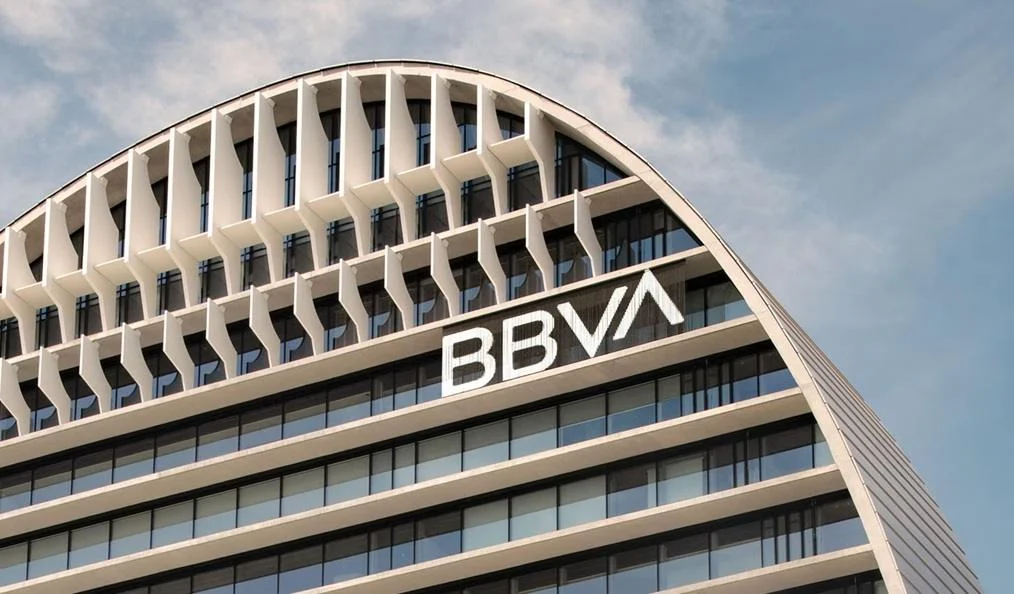
Spanish multinational financial services provider BBVA has officially unveiled its new Transition Debt Finance Framework, a strategic initiative designed to catalyze capital mobilization toward the decarbonization of the world’s most carbon-intensive and challenging industrial sectors. By establishing a structured methodology for identifying and funding transition-aligned projects, the bank aims to bridge the gap between traditional lending and the deep decarbonization required to meet global climate targets. This framework specifically targets high-emission sectors, including energy, chemical manufacturing, steel production, cement, aviation, and maritime shipping, providing a pathway for these industries to secure the liquidity necessary for structural technological overhauls.
The introduction of this framework represents a pivotal expansion of BBVA’s existing Sustainable Debt Financing ecosystem. While traditional sustainable finance often focuses on projects that are already "green"—such as wind farms or electric vehicle fleets—the new transition-focused initiative is designed to fund the iterative, high-cost process of transforming heavy industry. The move acknowledges a reality long argued by climate economists: that the global net-zero transition will fail if high-emissions sectors are starved of capital rather than incentivized to evolve.
Chronology of BBVA’s Sustainable Strategy
BBVA’s latest announcement is the culmination of a multi-year effort to pivot its balance sheet toward climate-positive outcomes. The trajectory of this evolution can be traced back to the bank’s heightened focus on ESG integration:
- 2021–2023: BBVA began formalizing its net-zero commitments, aligning its lending portfolio with the Science Based Targets initiative (SBTi) and establishing baseline emissions metrics for its most sensitive sectors.
- 2024: The bank accelerated its internal climate risk modeling, integrating "carbon lock-in" analysis into its corporate credit assessments to ensure that financing does not inadvertently tether clients to obsolete, high-emission infrastructure for decades to come.
- 2025: BBVA announced a massive commitment to channel €700 billion into sustainable finance between 2025 and 2029, a goal that set the benchmark for European retail and commercial banking.
- Q1–Q3 2026: The bank reported a 27% year-over-year surge in sustainable financing activity, totaling €120 billion within the first nine months of the year, signaling strong market appetite for green and transition-linked capital.
- November 2026: The formal launch of the Transition Debt Finance Framework provides the granular criteria needed to scale these efforts further, particularly for industrial clients who previously lacked clear guidance on what constitutes a "transition-aligned" investment.
Technical Pillars of the New Framework
The framework is not merely a funding mechanism but a governance tool. To prevent the risk of "greenwashing"—a common concern when financing fossil-fuel-reliant industries—BBVA has embedded rigorous, sector-specific technical criteria into the framework.
Eligible activities must meet strict emissions thresholds that align with recognized decarbonization pathways, such as those established by the International Energy Agency (IEA) or regional climate bodies. For instance, in the steel industry, financing might be directed toward the transition from traditional blast furnaces to hydrogen-based direct reduction iron (DRI) processes. In the shipping sector, capital might be allocated to the retrofitting of fleets to accommodate ammonia or methanol-based propulsion systems.
Crucially, the framework mandates an assessment of "carbon lock-in" risk. This analytical process evaluates whether a funded project will become a "stranded asset" if regulatory carbon prices rise or if more efficient technologies reach commercial scale. By auditing the long-term viability of these capital expenditures, BBVA aims to protect both its balance sheet and its clients from the economic volatility of the energy transition.
Supporting Data and Financial Context
The urgency of this initiative is underscored by the current state of industrial decarbonization. According to data from the World Economic Forum and various industry reports, hard-to-abate sectors account for nearly 30% of global CO2 emissions. Despite their importance, these sectors have historically faced higher costs of capital for sustainability projects due to the perceived technological risk and the long duration of industrial assets.

BBVA’s contribution of €120 billion in sustainable finance through the first three quarters of 2026 demonstrates the sheer scale of the banking sector’s influence. By segmenting its offering into "sustainable" and "transition" buckets, the bank is essentially creating a tiered financial product strategy. This allows the bank to cater to different stages of the maturity curve: financing pure-play renewables on one hand, and the complex, capital-intensive transition of industrial heavyweights on the other.
Perspectives from Industry Leadership
Fiamma Perez Prada, who leads Sustainability Solutions in BBVA CIB, emphasized that the framework is a pragmatic response to the economic realities of net-zero. "Achieving a low-carbon economy requires financing activities that are already sustainable, as well as transforming sectors where reducing emissions is most challenging," Perez Prada stated. "With this new framework, BBVA increases its ability to support clients in their decarbonization journeys, directing financing toward the technologies and investments needed to accelerate the transition."
Market analysts suggest that such frameworks are becoming a prerequisite for major financial institutions operating in the European Union. Under the European Green Deal and the implementation of the Corporate Sustainability Reporting Directive (CSRD), banks are under increasing pressure to demonstrate that their loan books are not just growing in volume, but improving in quality. BBVA’s proactive development of this framework positions it ahead of potential regulatory mandates that may soon require all major banks to disclose transition plans for their most carbon-intensive clients.
Implications for the Global Energy Transition
The launch of this framework carries significant implications for the broader financial services landscape:

- Standardization of "Transition": By defining what constitutes a valid transition activity, BBVA is contributing to a nascent market standard. As other banks adopt similar criteria, the cost of capital for green industrial technologies is likely to decrease, as standardized metrics make these projects more attractive to institutional investors who prioritize transparency.
- Risk Mitigation: By focusing on the electrification of industrial processes and the modernization of production facilities, BBVA is directly addressing the primary source of operational emissions. This reduces the transition risk for the bank’s portfolio, as the companies it finances will be better prepared for future carbon taxes and climate-related regulatory shifts.
- Technological Acceleration: The availability of dedicated capital will likely accelerate the adoption of pilot-stage technologies. Many industrial companies have the technical designs for low-carbon production but lack the balance sheet capacity to absorb the initial capital expenditure (CapEx) premium. BBVA’s transition framework serves as the necessary bridge to move these technologies from the laboratory to industrial-scale deployment.
Conclusion
BBVA’s Transition Debt Finance Framework represents a maturation of the bank’s ESG strategy, shifting from broad commitments to granular, actionable financing solutions. By creating a transparent, science-aligned pathway for hard-to-abate sectors, the bank is positioning itself as a central player in the industrial evolution of the coming decade. While the success of this framework will ultimately be judged by the measurable reduction in Scope 1 and Scope 2 emissions within its client base, the establishment of clear technical criteria and rigorous risk assessments marks a significant step forward in aligning private capital with global climate goals. As 2026 draws to a close, this initiative stands as a testament to the increasingly technical and data-driven nature of sustainable finance, where the role of the bank is to act not just as a provider of funds, but as a partner in the systemic decarbonization of the global economy.