
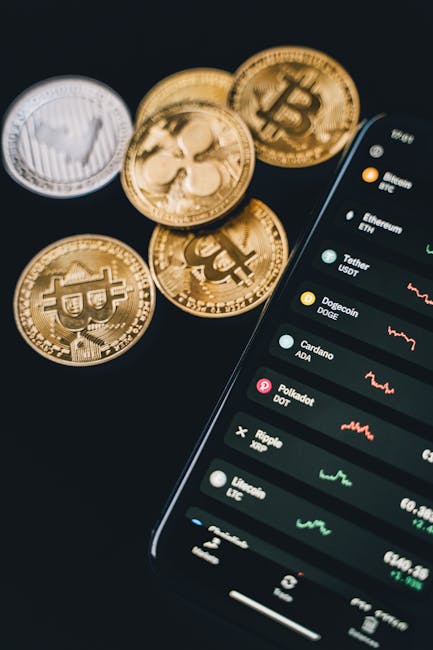
Tether USDT Integration: Unlocking a Universe of Decentralized Finance and Beyond
The integration of Tether USD (USDT), the dominant stablecoin by market capitalization, represents a pivotal advancement for numerous platforms and protocols within the burgeoning blockchain and cryptocurrency ecosystem. USDT’s primary function is to maintain a stable value pegged to the US dollar, mitigating the inherent volatility of most cryptocurrencies. This stability makes it an ideal medium of exchange, store of value, and unit of account, facilitating a wide array of applications that would be impractical with fluctuating digital assets. Its seamless integration into decentralized finance (DeFi) protocols, exchanges, payment systems, and gaming platforms fundamentally enhances their utility, accessibility, and user experience.
One of the most profound impacts of USDT integration is on the decentralized finance (DeFi) landscape. DeFi aims to replicate traditional financial services—such as lending, borrowing, trading, and insurance—using blockchain technology, thereby removing intermediaries and offering greater transparency and accessibility. USDT’s stable nature makes it a cornerstone asset for DeFi applications. For instance, lending protocols like Aave and Compound readily accept USDT as collateral. Users can deposit USDT to borrow other cryptocurrencies or stablecoins, knowing that the value of their collateral will remain relatively constant, reducing the risk of liquidation due to market downturns. Conversely, investors can lend USDT to earn interest, providing liquidity to the DeFi ecosystem and generating passive income. The ability to earn yield on a stable asset like USDT is a significant draw for both institutional and retail investors seeking to preserve capital while generating returns.
Decentralized exchanges (DEXs), which allow peer-to-peer trading of cryptocurrencies without central authorities, also heavily rely on USDT integration. Platforms like Uniswap, SushiSwap, and PancakeSwap facilitate USDT trading pairs against a vast array of other cryptocurrencies. This allows traders to enter and exit volatile positions into a stable asset, manage risk, and execute complex trading strategies. The liquidity provided by USDT on these DEXs is crucial for enabling efficient price discovery and minimizing slippage for traders. Furthermore, USDT’s presence on DEXs democratizes access to trading for individuals globally, bypassing traditional financial gatekeepers. Many DEXs also integrate USDT into their Automated Market Maker (AMM) models, where liquidity providers can earn trading fees by supplying USDT to trading pools.
The integration of USDT extends beyond DeFi into the realm of centralized exchanges (CEXs) and trading platforms. Nearly all major cryptocurrency exchanges, including Binance, Coinbase, Kraken, and Bybit, list USDT. This ubiquity makes USDT the de facto currency for trading a multitude of altcoins. Traders can deposit fiat currency, convert it to USDT, and then use that USDT to acquire virtually any other digital asset listed on the exchange. This streamlined process is essential for market liquidity and price discovery across the entire cryptocurrency market. Moreover, USDT acts as a crucial bridge between fiat currencies and cryptocurrencies, simplifying the onboarding process for new investors. The ease with which users can convert their fiat holdings into USDT and then into other crypto assets is a significant factor in the overall growth and adoption of the cryptocurrency market.
Payment systems and merchant services represent another significant area where USDT integration is transforming transactions. Companies like BitPay and Shopify integrate USDT to enable merchants to accept cryptocurrency payments. This allows businesses to tap into the growing cryptocurrency user base and reduce transaction fees associated with traditional payment processors. For consumers, paying with USDT offers a potentially faster and cheaper alternative to credit card transactions, especially for cross-border payments. The stable nature of USDT is particularly attractive to merchants, as it eliminates the risk of accepting payment in a volatile asset that could lose value between the time of transaction and settlement. This has opened up new avenues for e-commerce and global trade, allowing businesses to operate more efficiently and reach a wider customer base.
The gaming and metaverse sectors are also increasingly leveraging USDT integration. In-game economies often require a stable medium of exchange for virtual assets, in-game currencies, and player-to-player transactions. USDT provides this stability, enabling players to buy and sell virtual items, participate in in-game marketplaces, and engage in a more predictable economic environment. The rise of play-to-earn (P2E) games has further amplified the need for stablecoin integration. Players can earn USDT as rewards for their in-game achievements, which can then be readily used for real-world purchases or reinvested within the game. Similarly, in the metaverse, where virtual land, avatars, and digital collectibles are traded, USDT serves as a reliable currency for these transactions, fostering vibrant digital economies.
Cross-border remittances and international money transfers are fundamentally improved by USDT integration. Traditional remittance services often involve high fees, slow processing times, and currency conversion complexities. USDT, facilitated by blockchain networks, offers a significantly cheaper, faster, and more transparent alternative. Individuals can send USDT to recipients anywhere in the world with minimal fees and near-instantaneous settlement. This is particularly impactful for developing countries where remittances constitute a significant portion of the economy. The stability of USDT ensures that the value of the funds sent is preserved during transit, unlike volatile cryptocurrencies. This has the potential to empower individuals and families by making international financial transfers more accessible and affordable.
The technical underpinnings of USDT integration are varied, with its primary implementations existing on multiple blockchain networks. While originally launched on the Omni Layer protocol of Bitcoin, USDT has since expanded to prominent smart contract platforms like Ethereum, Tron, Binance Smart Chain (BSC), Solana, Polygon, and others. Each network offers different advantages in terms of transaction speed, cost, and scalability. For example, USDT on Ethereum (ERC-20) is widely supported but can incur higher gas fees during periods of network congestion. USDT on Tron (TRC-20) and Binance Smart Chain (BEP-20) typically offer lower transaction costs and faster confirmations, making them attractive for high-frequency transactions and DeFi applications. Solana provides exceptionally high throughput, making it suitable for large-scale applications. This multi-chain presence enhances USDT’s accessibility and allows developers to choose the most suitable blockchain for their specific integration needs.
The regulatory landscape surrounding stablecoins, including USDT, is a critical factor influencing its integration and long-term viability. As stablecoins gain traction, regulatory bodies worldwide are increasing their scrutiny. Discussions around reserve transparency, consumer protection, and systemic risk are ongoing. Successful and widespread integration of USDT will likely depend on its ability to navigate these evolving regulations and maintain public trust regarding the backing of its reserves. Compliance with Anti-Money Laundering (AML) and Know Your Customer (KYC) regulations is also becoming increasingly important for platforms that integrate USDT, especially those dealing with fiat on-ramps and off-ramps.
Looking ahead, the continued innovation in blockchain technology and the increasing demand for stable digital assets suggest that USDT integration will only become more pervasive. The development of layer-2 scaling solutions for major blockchains will further enhance the efficiency and cost-effectiveness of USDT transactions. Furthermore, as central banks explore the possibility of issuing their own digital currencies (CBDCs), the role of private stablecoins like USDT may evolve, potentially leading to new forms of collaboration or competition. The ability of USDT to seamlessly integrate across diverse blockchain ecosystems and traditional financial infrastructure positions it as a key enabler of a more efficient, accessible, and decentralized global financial system. The ongoing development of interoperability solutions between different blockchains will also play a crucial role in expanding the reach and utility of USDT integrations, creating a more interconnected and fluid digital economy.
The security of USDT integrations is paramount. While USDT itself is backed by reserves, the smart contracts and platforms that integrate it are subject to various security risks, including smart contract vulnerabilities, hacks, and phishing attacks. Robust security audits, transparent code practices, and user education are essential to mitigate these risks. The integrity of the underlying blockchain network on which USDT operates also plays a significant role in its overall security. Decentralized networks with strong consensus mechanisms and active developer communities tend to be more resilient against attacks.
The economic implications of widespread USDT integration are far-reaching. It has the potential to reduce transaction costs, improve financial inclusion, and foster innovation in financial services. For individuals in regions with unstable national currencies or limited access to traditional banking, USDT can serve as a stable store of value and a gateway to the global digital economy. For businesses, it offers a more efficient way to conduct transactions, manage global supply chains, and access new markets. The liquidity that USDT provides to various markets also contributes to price discovery and market efficiency.
In conclusion, the integration of Tether USD is a fundamental catalyst driving innovation and adoption across a vast spectrum of the digital asset space. From powering the complex financial machinery of DeFi to facilitating everyday transactions and enabling vibrant virtual economies, USDT’s stable pegged value unlocks immense potential. Its ubiquitous presence on major exchanges, its role in payment systems, and its growing influence in gaming and the metaverse underscore its significance. As the blockchain industry matures and the regulatory landscape evolves, USDT’s ability to adapt and maintain trust will be critical to its continued success and its role in shaping the future of finance and commerce. The ongoing development and expansion of its integrations across new blockchains and applications will undoubtedly solidify its position as a cornerstone of the digital economy.
