
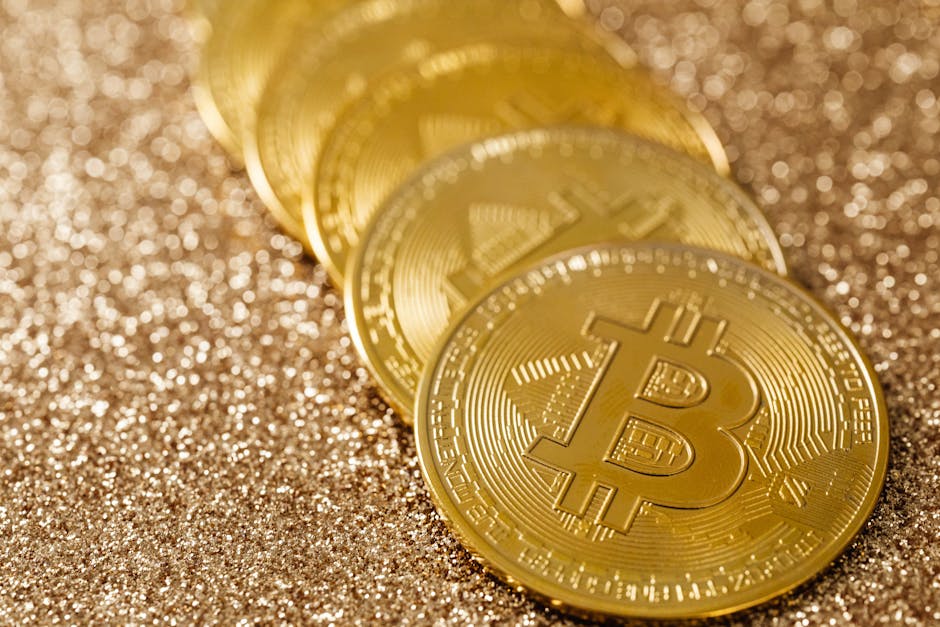
Bitcoin and Gold: The Evolving Digital and Tangible Store of Value
The historical role of gold as the preeminent store of value and hedge against inflation is undergoing a significant challenge and, in many ways, an evolution, from the nascent digital asset, Bitcoin. While fundamentally different in their physical and digital natures, both Bitcoin and gold share a common appeal as assets that can potentially preserve wealth over the long term, independent of traditional financial systems and governmental control. This convergence, driven by shifting economic landscapes, increasing distrust in fiat currencies, and the rapid advancement of technology, necessitates a deep dive into their respective characteristics, emerging correlations, and the evolving investor sentiment that is increasingly considering them as complementary pillars of a diversified portfolio. Understanding this dynamic is crucial for investors seeking to navigate the complexities of wealth preservation in the 21st century, where inflation anxieties and the promise of decentralized finance are shaping new investment paradigms.
Gold’s enduring appeal as a store of value is deeply ingrained in human history. For millennia, its scarcity, durability, and inherent desirability have made it a universally accepted medium of exchange and a bulwark against economic uncertainty. Its physical properties—resistance to corrosion, malleability, and a consistent chemical composition—ensure its longevity, making it a tangible asset that can be held and passed down through generations. Unlike paper money, gold cannot be arbitrarily printed or devalued by central banks. This inherent scarcity and resistance to inflation are its primary attractors for investors seeking to safeguard their purchasing power. During periods of geopolitical instability, hyperinflation, or significant market downturns, investors traditionally flock to gold, driving up its price as a safe-haven asset. Its track record, though not always linear, demonstrates a remarkable ability to retain value over extended periods, acting as a hedge against the erosion of fiat currencies. Furthermore, gold plays a significant role in jewelry and industrial applications, providing a baseline demand that contributes to its intrinsic value. This multifaceted demand, coupled with its historical significance, has cemented gold’s position as a trusted, albeit sometimes illiquid, store of value for centuries.
Bitcoin, in contrast, is a relatively new entrant to the asset class landscape, emerging in 2009. Its value proposition as a store of value is rooted in its digital nature and the underlying blockchain technology. Bitcoin’s most prominent characteristic, and one that directly parallels gold’s scarcity, is its capped supply. The Bitcoin protocol dictates that a maximum of 21 million Bitcoins will ever be mined. This predetermined scarcity, unlike gold which can be discovered and mined with fluctuating difficulty and costs, is auditable and transparent on the public ledger. This hard cap creates a predictable supply curve, which proponents argue will lead to increasing value as demand grows. Furthermore, Bitcoin is decentralized, meaning no single entity, government, or corporation controls its issuance or management. This independence from traditional financial intermediaries and governmental monetary policy is a key appeal for those seeking an alternative to fiat currencies and the risks associated with centralized control. Transactions are recorded on an immutable, distributed ledger, enhancing transparency and security, although the volatility and regulatory uncertainty surrounding Bitcoin remain significant considerations for investors.
The notion of "digital gold" has become increasingly prevalent in discussions surrounding Bitcoin. This comparison arises from several shared characteristics that resonate with investors seeking to diversify away from traditional financial assets. Both Bitcoin and gold are scarce. As previously mentioned, gold’s scarcity is a function of geological limitations and the cost of extraction, while Bitcoin’s is mathematically encoded and immutable. This scarcity is a fundamental driver of their potential to retain and increase value over time, especially in an environment where fiat currencies can be devalued through inflationary policies. Both assets are also considered to be outside the direct control of central banks and governments. While gold’s independence is physical and historical, Bitcoin’s is technological and cryptographic. This decentralization appeals to those who are skeptical of central authority and seek assets that are less susceptible to political manipulation or currency debasement. Moreover, both Bitcoin and gold have demonstrated their ability to act as hedges against inflation. While gold’s performance in this regard is well-documented, Bitcoin has shown promise, though its short history and inherent volatility make this correlation less consistently proven than that of gold. The increasing institutional adoption of Bitcoin, with some major companies and investment funds allocating portions of their portfolios to the cryptocurrency, further bolsters its "digital gold" narrative, signaling a growing acceptance of its potential as a long-term store of value.
The correlation between Bitcoin and gold is a subject of ongoing debate and research. Historically, Bitcoin has often been perceived as an independent asset, moving on its own trajectory driven by technological adoption, regulatory news, and speculative interest. However, recent market trends suggest a nascent correlation, particularly during periods of heightened economic uncertainty and inflationary pressures. When inflation concerns rise, both gold and Bitcoin have, at times, experienced upward price movements, indicating their potential to serve as inflation hedges. This observed correlation, though not always perfect, suggests that investors are increasingly viewing them through a similar lens of wealth preservation. The narrative of Bitcoin as "digital gold" gains traction when these assets move in tandem, reinforcing the idea that they are alternative stores of value. It’s important to note that this correlation is not static and can be influenced by a multitude of factors, including interest rate policies, investor sentiment towards risk assets, and specific developments within the cryptocurrency market. Nevertheless, the emergence of this observable link signifies a maturing of Bitcoin’s role in the investment landscape, moving beyond a purely speculative asset to one that is being considered alongside traditional safe havens like gold.
The increasing adoption of Bitcoin by institutional investors marks a significant turning point in its evolution as a store of value. Initially dismissed as a niche or speculative play, Bitcoin is now being incorporated into the portfolios of major financial institutions, hedge funds, and even some corporations. This shift is driven by a growing understanding of Bitcoin’s underlying technology, its fixed supply, and its potential to offer diversification benefits. Companies like MicroStrategy have made substantial Bitcoin purchases, viewing it as a treasury reserve asset. Investment firms have launched Bitcoin-focused exchange-traded funds (ETFs) and other financial products, making it more accessible to a wider range of investors. This institutional embrace lends credibility to Bitcoin’s "digital gold" narrative and suggests a growing conviction in its long-term viability. As more institutions allocate capital to Bitcoin, its market becomes more robust and less susceptible to the whims of individual retail investors. This increased demand from sophisticated market participants can contribute to price stability and further solidify Bitcoin’s position as a legitimate store of value, complementing, rather than solely competing with, traditional assets like gold.
The future interplay between Bitcoin and gold will likely be characterized by a growing recognition of their complementary roles in a diversified investment strategy. Rather than a zero-sum game, where one asset’s rise necessarily means the other’s fall, it’s more plausible that investors will increasingly allocate capital to both. Gold will likely continue to serve as a time-tested, tangible store of value, particularly attractive during extreme periods of systemic risk and for investors who prioritize physical ownership. Bitcoin, on the other hand, offers a digital, decentralized alternative with unique properties of scarcity, immutability, and global accessibility. Its volatility, while a concern, also presents opportunities for higher returns that gold may not offer. The narrative of "digital gold" will likely evolve into a broader understanding of "digital and tangible stores of value," where investors can leverage the strengths of both asset classes to build resilient portfolios. As financial systems continue to adapt to technological advancements and evolving economic challenges, the strategic inclusion of both Bitcoin and gold will become a more common approach for safeguarding wealth and navigating the complexities of the modern financial world. This symbiotic relationship, where each asset addresses different investor needs and risk appetites, is likely to define their co-evolution in the coming years, offering a broader spectrum of options for wealth preservation.
