
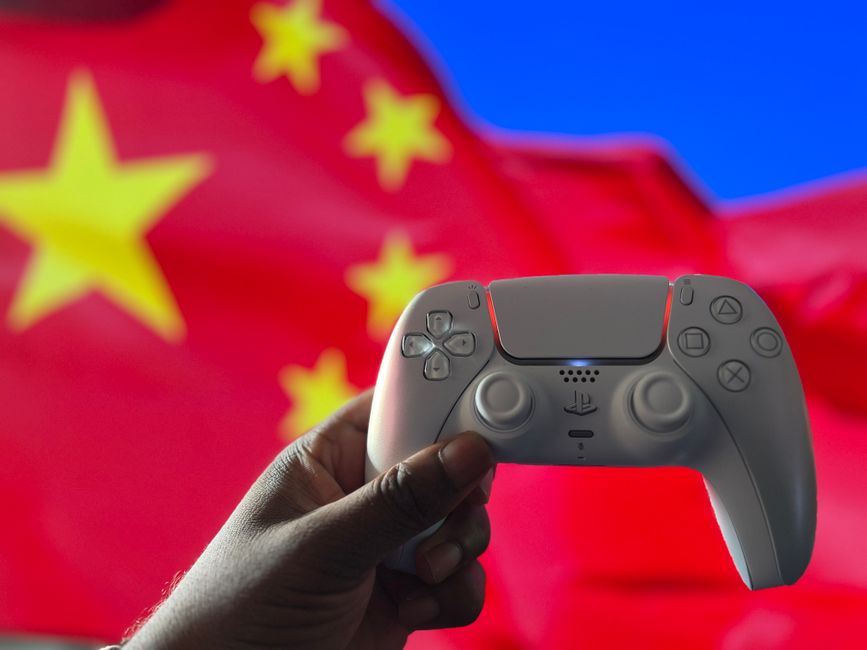
China’s Gaming Disconnect: A Regulatory Blitz Targeting Addiction and Societal Impact
China’s regulatory bodies are enacting a sweeping set of measures aimed at fundamentally altering the relationship between its massive gaming population and the digital entertainment industry. This "gaming disconnect" initiative is not a subtle shift but a deliberate and multi-pronged strategy driven by concerns over gaming addiction, its impact on youth development, and broader societal implications. The government views unchecked gaming as a drain on productivity, a detriment to physical and mental health, and a potential destabilizing force. This article will delve into the specific regulations, their intended consequences, the industry’s response, and the long-term ramifications of this unprecedented regulatory push.
At the core of China’s gaming disconnect strategy lies the stringent control over playtime for minors. Regulations introduced by the National Press and Publication Administration (NPPA) have imposed severe limitations on the hours and days that individuals under 18 can access online games. Specifically, minors are now restricted to playing online games for only one hour a day, between 8 p.m. and 9 p.m., and only on Fridays, Saturdays, Sundays, and public holidays. This represents a dramatic reduction from previous, less enforced guidelines and signals a clear intent to sever the deep immersion many young people have developed with gaming. The rationale behind these restrictions is rooted in parental and societal anxieties about excessive screen time leading to myopia, poor academic performance, and social isolation. The NPPA’s pronouncements have emphasized the need to "protect minors’ physical and mental health" and prevent the "unhealthy expansion" of the online gaming industry.
Beyond playtime limitations, China is actively targeting the monetization practices within games that are perceived to fuel addictive behaviors. Loot boxes, gacha mechanics, and other forms of randomized reward systems are under intense scrutiny. Regulators are demanding greater transparency regarding the odds of obtaining desirable in-game items and, in some cases, outright banning or heavily restricting these features. This move is designed to discourage "pay-to-win" scenarios and reduce the incentive for players, particularly minors, to spend significant amounts of money chasing virtual rewards. The government’s objective is to shift the focus from aggressive monetization towards more sustainable and less exploitative business models. This also extends to concerns about gambling-like mechanics within games, which are viewed as a gateway to more serious financial problems.
The scope of these regulations extends beyond individual player behavior and touches upon the very structure of the gaming industry itself. Game developers and publishers are now facing increased pressure to implement robust identity verification systems to ensure compliance with age restrictions. This means that players will need to provide real-name identification to log into games, making it significantly harder for minors to circumvent playtime limits. Furthermore, regulators are demanding that games undergo more rigorous content reviews, with a particular focus on themes that could be deemed violent, sexually explicit, or politically sensitive. This broader content moderation effort aims to align gaming content with the Communist Party’s ideological directives and promote "positive energy" within the digital sphere. The ultimate goal is to cultivate a gaming environment that is perceived as wholesome, educational, and aligned with national values.
The economic implications of this regulatory overhaul are profound. China’s gaming market, the largest in the world, has been a significant engine of growth for both domestic and international companies. The new rules, particularly the playtime restrictions and stricter monetization controls, are expected to lead to a substantial reduction in overall player engagement and, consequently, revenue. Gaming companies are scrambling to adapt their business models, investing in games that are less reliant on continuous play and microtransactions, and potentially exploring new markets outside of China. The initial shockwaves have already been felt in the stock prices of major gaming corporations, signaling a period of significant uncertainty and adaptation for the industry. This regulatory intervention represents a fundamental rebalancing of power between the state and the gaming industry, prioritizing social control over unfettered commercial expansion.
The "gaming disconnect" initiative also reflects a broader ideological shift within China, where the government is increasingly asserting its authority over various aspects of digital life. This is not confined to gaming but also encompasses sectors like education, social media, and the broader tech industry. The underlying principle is a desire to steer technological development and online behavior towards outcomes that benefit the state and its citizens as defined by the ruling party. For gaming, this means prioritizing the cultivation of a well-rounded, productive populace over the potentially engrossing and, in the government’s view, detrimental aspects of excessive gaming. The narrative being promoted is one of responsible digital citizenship and the redirection of energy towards more "constructive" activities.
The implementation of these regulations presents significant enforcement challenges. While the real-name registration system offers a degree of control, loopholes can still be exploited. Moreover, the sheer volume of gaming activity makes constant monitoring difficult. However, the government has demonstrated a willingness to impose substantial penalties for non-compliance, including hefty fines and the suspension of operating licenses. This regulatory muscle, coupled with the pervasive nature of state surveillance, suggests that these rules will be enforced with a high degree of seriousness. The long-term success of the "gaming disconnect" will depend on the sustained commitment of regulators and their ability to adapt to evolving technological circumvention tactics.
The impact on the youth of China is perhaps the most critical aspect of this regulatory shift. While the intention is to protect them from addiction and its negative consequences, the abrupt and sweeping nature of these changes could also lead to unintended social and psychological effects. Some critics argue that these restrictions could stifle creativity, limit opportunities for social interaction within gaming communities, and create a sense of deprivation. The government’s approach is paternalistic, assuming a top-down approach to what constitutes healthy development. The long-term success of this strategy will ultimately be measured by whether it fosters a healthier generation or simply creates new avenues for disaffection and resentment.
In conclusion, China’s "gaming disconnect" is a comprehensive and forceful regulatory campaign designed to fundamentally alter the relationship between its citizens and the gaming industry. Driven by concerns about addiction, youth development, and societal impact, these measures involve strict playtime limits for minors, the curtailment of exploitative monetization practices, and intensified content moderation. The economic ramifications are significant, forcing a re-evaluation of business models within the massive Chinese gaming market. This initiative is emblematic of a broader trend of increased state control over digital life in China, aiming to align technological development with the Party’s ideological and societal goals. The success of this ambitious undertaking will hinge on sustained enforcement and the long-term impact on the well-being and development of China’s youth, a generation increasingly shaped by the digital realm. The world watches as China attempts to redefine the boundaries of play in the digital age.
