
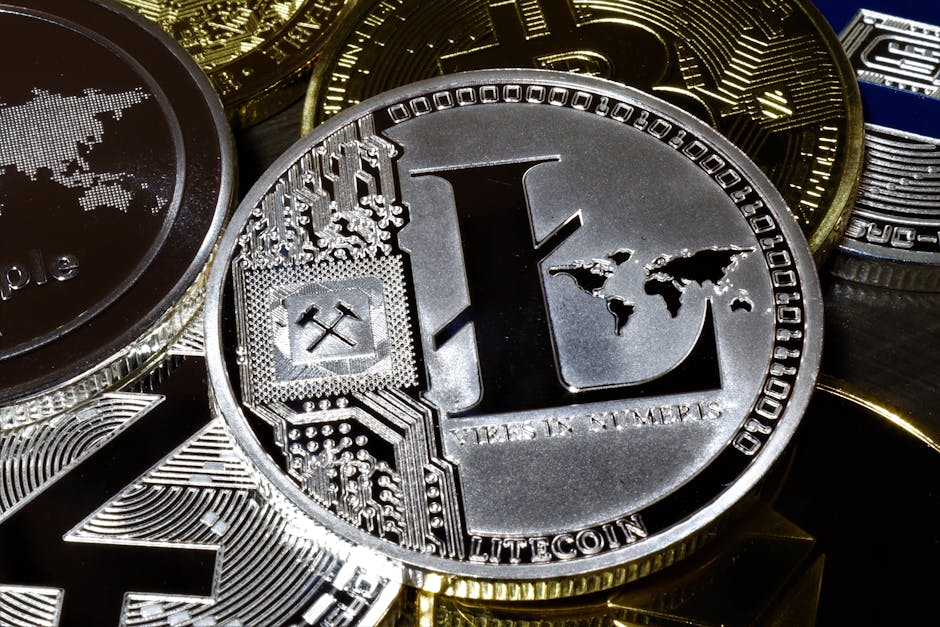
Litecoin Price Surges: Unpacking the Rumors and Potential
The cryptocurrency market, a landscape characterized by its volatility and rapid shifts, frequently witnesses price surges that captivate both seasoned investors and curious newcomers. Among the many digital assets that have experienced dramatic price movements, Litecoin (LTC) often finds itself at the center of such discussions. These surges are rarely spontaneous; they are typically fueled by a confluence of factors, including technological developments, market sentiment, macroeconomic influences, and, of course, rumors. Understanding the potential drivers behind Litecoin price surges requires a deep dive into its unique characteristics and the broader ecosystem it inhabits.
Litecoin, often referred to as the "silver to Bitcoin’s gold," was created in 2011 by Charlie Lee as a fork of Bitcoin’s codebase. Its primary aim was to offer faster transaction confirmation times and a different mining algorithm (Scrypt) compared to Bitcoin’s SHA-256. These fundamental differences, while subtle to the untrained eye, have implications for its scalability, energy consumption, and accessibility for miners. The anticipation of technological upgrades, such as the implementation of MimbleWimble (MW) or improvements to its Lightning Network integration, can generate significant buzz and contribute to price appreciation. For instance, the successful activation of MimbleWimble in 2019, which enhanced privacy and scalability, led to a notable uptick in LTC’s price, demonstrating a direct correlation between tangible network improvements and market enthusiasm. Rumors surrounding future upgrades, even if speculative, can create a self-fulfilling prophecy as traders and investors position themselves for potential gains.
The narrative surrounding any cryptocurrency plays a crucial role in its market performance. Litecoin, with its long history and established presence, benefits from a degree of brand recognition and trust within the crypto community. However, this also means it faces scrutiny and comparisons with newer, more technologically advanced altcoins. Rumors of new partnerships with major payment processors, the listing of LTC on prominent exchanges, or endorsements from influential figures in the financial or tech world can ignite significant price rallies. For example, speculation about PayPal’s potential integration of Litecoin, even if unconfirmed, has historically driven considerable trading volume and price increases. The psychology of FOMO (Fear Of Missing Out) is a powerful force in cryptocurrency markets, and persistent rumors of Litecoin’s impending adoption or a breakthrough can create a surge in demand as investors rush to acquire the asset before its perceived value escalates further.
Macroeconomic factors and the broader financial landscape also exert a considerable influence on Litecoin’s price. In periods of economic uncertainty or high inflation, cryptocurrencies, including Litecoin, are often viewed by some investors as a potential hedge against traditional assets like fiat currencies or stocks. When global economic indicators point towards instability, there’s a tendency for capital to flow into assets perceived as having uncorrelated returns or inherent scarcity. Rumors about central banks considering cryptocurrencies, or significant institutional adoption of digital assets, can indirectly benefit Litecoin by increasing overall market confidence and liquidity. Furthermore, regulatory clarity or ambiguity plays a pivotal role. Positive regulatory news, such as the clear classification of Litecoin as a commodity or a well-defined framework for its trading, can reduce perceived risk and attract institutional investment. Conversely, rumors of impending crackdowns or restrictive regulations can lead to price drops.
The Litecoin network’s adoption and utility are fundamental to its long-term value proposition and can trigger price surges. While Bitcoin often dominates discussions around store of value and digital gold, Litecoin aims to be a more transactional currency. Increased merchant adoption, the development of decentralized applications (dApps) on or utilizing Litecoin’s infrastructure, and its integration into payment gateways can all contribute to higher demand and, consequently, price surges. Rumors about significant retail chains accepting LTC as payment, or innovative use cases emerging from the developer community, can generate excitement. For instance, the success of projects leveraging Litecoin’s blockchain for specific purposes, even if niche, can create positive sentiment and attract investors looking for utility-driven growth. The active development of its Lightning Network implementation is another area that frequently sparks price speculation. A robust and widely adopted Lightning Network would significantly enhance Litecoin’s transaction speed and reduce fees, making it a more attractive option for everyday transactions and potentially fueling demand.
The mining landscape for Litecoin also presents opportunities for price surges. The Scrypt algorithm, while more energy-intensive than some newer algorithms, has a different ASIC mining hardware landscape compared to Bitcoin, which can lead to different mining economics. Rumors of large mining farms increasing their Litecoin holdings, or shifts in the distribution of mining power, can influence market sentiment. Furthermore, changes in the cost of electricity or the availability of specialized mining hardware can impact the profitability of Litecoin mining, potentially affecting the supply side of the market and indirectly influencing price. While direct price manipulation through mining pools is a complex and often debated topic, shifts in mining economics and speculative buying by miners anticipating future price increases are plausible contributing factors to surges.
The competitive landscape of the altcoin market is a constant source of dynamic shifts. Litecoin, as one of the older altcoins, faces pressure from newer projects with potentially more advanced features or different value propositions. Rumors of Litecoin’s developers actively working to address perceived shortcomings, or to differentiate it from competitors through unique innovations, can generate positive market reactions. For instance, if rumors surface about Litecoin team members collaborating with other projects or contributing to industry-wide standards, it can signal a renewed focus and commitment that appeals to investors. The ongoing technological race in the crypto space means that any hint of Litecoin regaining a competitive edge, whether through partnerships, feature development, or improved security, can translate into price speculation.
On-chain data and network activity can also provide insights into potential price movements and fuel speculative rumors. Metrics such as the number of active addresses, transaction volume, and the concentration of coin holdings among large wallets (whales) can offer clues about market sentiment and potential buying or selling pressure. If on-chain data suggests increasing accumulation by long-term holders or a rise in transactional activity, this can be interpreted as a bullish signal. Rumors that leverage these on-chain observations, such as "whales are accumulating LTC" or "transaction volume is surging, indicating imminent price action," can become self-fulfilling prophecies as traders react to this perceived intelligence. The transparency of blockchain technology, while allowing for analysis, also creates a fertile ground for the interpretation and dissemination of rumors based on observable data.
The role of social media and online communities in propagating rumors and influencing price cannot be overstated. Platforms like Twitter, Reddit, and Telegram are hotbeds for cryptocurrency discussions, where rumors, speculation, and news alike are shared at an unprecedented pace. A single well-timed tweet or a coordinated effort within online communities can create significant buzz around Litecoin, leading to increased trading activity and price surges. These rumors can range from unsubstantiated claims about impending celebrity endorsements to highly detailed, yet unverified, analyses of technical indicators suggesting an imminent breakout. The sheer volume and velocity of information dissemination in these channels mean that even fleeting rumors can have a tangible impact on Litecoin’s price, especially during periods of low liquidity or high market volatility.
The concept of "halving events," while not directly applicable to Litecoin in the same way as Bitcoin, involves similar mechanisms of programmed scarcity. Litecoin’s block reward halves approximately every four years, a reduction in the rate at which new coins are created. While the most recent halving occurred in August 2023, the anticipation of such events and their historical impact on price can fuel speculative interest. Rumors surrounding the potential impact of future halvings on Litecoin’s supply-demand dynamics, and how this might translate to price appreciation, are often discussed within the crypto community and can contribute to price surges leading up to and following these events. The narrative of decreasing supply while demand potentially remains stable or increases is a powerful driver of speculative buying.
Finally, the broader sentiment surrounding specific cryptocurrency sectors can also influence Litecoin’s price. If the narrative for "utility tokens" or "payment coins" gains traction, Litecoin, with its historical positioning as a transactional cryptocurrency, can benefit from this general market trend. Rumors of a resurgence in interest in established altcoins, or a shift away from highly speculative newer projects towards more established and fundamentally sound ones, can lead to increased demand for Litecoin. The cyclical nature of the crypto market often sees different sectors come into favor, and any positive sentiment surrounding the categories Litecoin belongs to can create an environment conducive to price surges, further amplified by speculative rumors.
