
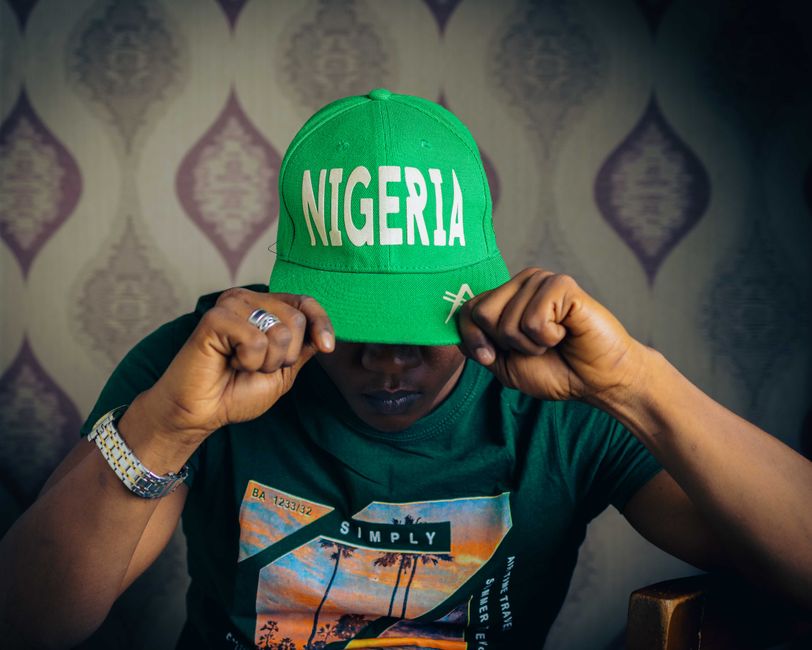
Nigeria: The Unfulfilled Promise, A Nation Still Searching for Its Identity
Nigeria, Africa’s most populous nation and its largest economy, stands at a curious crossroads, a continental giant still very much in its adolescence. While often celebrated for its vibrant culture, burgeoning entrepreneurial spirit, and significant geopolitical influence, the reality is that Nigeria, despite its immense potential, has not yet fully coalesced into a unified and consistently prosperous nation. The phrase "not yet one" transcends mere chronological age; it speaks to a deeper, more profound struggle for national cohesion, economic equity, and the realization of a shared destiny that continues to elude its 200 million-plus citizens. This article will delve into the multifaceted challenges that prevent Nigeria from achieving its full potential, examining the historical underpinnings, socio-political dynamics, economic hurdles, and the persistent quest for a truly unified national identity.
The historical legacy of Nigeria is inextricably linked to its colonial past, a period that forged a nation from disparate ethnic and linguistic groups under artificial administrative boundaries. The amalgamation of the Northern and Southern Protectorates in 1914 by the British, while creating a vast geographical entity, did little to foster genuine inter-ethnic understanding or shared governance. The colonial administration, often characterized by a divide-and-rule strategy, inadvertently sowed seeds of discord that would blossom into enduring regional and ethnic tensions post-independence. Post-colonial political elites, instead of actively working to dismantle these inherited cleavages, often exploited them for personal and sectional gain. This historical context is crucial to understanding why, even after over six decades of self-governance, the concept of a singular Nigerian identity remains contested, with ethnic and regional affiliations frequently superseding national solidarity. The absence of a truly inclusive and equitable political framework from the outset has created a perpetual undercurrent of distrust and suspicion among various groups, hindering the development of a cohesive national narrative.
Economically, Nigeria is a land of stark contrasts, blessed with abundant natural resources, particularly oil, yet plagued by widespread poverty and inequality. The "resource curse" has been a recurring theme in Nigerian economic discourse. While oil revenues have generated substantial wealth, this wealth has largely failed to translate into broad-based development, poverty reduction, or diversification of the economy. Instead, it has often fueled corruption, cronyism, and a dependency on a single commodity susceptible to global price volatility. The manufacturing sector remains underdeveloped, agriculture, despite its potential, struggles with infrastructure deficits and market access, and the burgeoning informal sector, while vibrant, often operates without adequate regulation or support. This economic imbalance creates a fertile ground for social unrest and reinforces existing ethnic and regional divides, as different groups perceive themselves as either beneficiaries or victims of the national economic dispensation. The persistent struggle for economic self-sufficiency and equitable distribution of wealth is a significant impediment to Nigeria truly becoming "one."
The socio-political landscape of Nigeria is characterized by a complex interplay of ethnic diversity, religious differences, and regional power dynamics. While these diversities are a source of richness, they have also been weaponized and exploited, leading to recurring cycles of political instability, ethno-religious conflicts, and a persistent struggle for true federalism. The concept of "zoning" in political appointments and elections, intended to ensure equitable representation, has often devolved into a system of patronage and a reinforcement of ethnic allegiances rather than a genuine commitment to meritocracy. The absence of strong, independent institutions capable of mediating disputes and ensuring justice for all citizens further exacerbates these tensions. The Boko Haram insurgency in the Northeast, the farmer-herder conflicts in the Middle Belt, and the secessionist agitations in the Southeast are all symptoms of deeper systemic issues related to governance, resource distribution, and the perceived marginalization of certain groups. These unresolved conflicts continually pull at the fabric of the nation, preventing it from achieving the unity and stability required for sustained progress.
The notion of a shared national identity is central to the concept of a unified nation. In Nigeria, this identity remains a work in progress, constantly being negotiated and contested. While Nigerians share common experiences, aspirations, and a vibrant popular culture that transcends ethnic boundaries, the deep-seated historical grievances and ongoing socio-political challenges often prevent the full realization of a singular national consciousness. The media, particularly social media, plays a dual role: it can be a powerful tool for fostering unity and understanding, but it can also be a conduit for the spread of misinformation, hate speech, and divisive narratives that further entrench ethnic and religious prejudices. The absence of a compelling, unifying national ideology or narrative that speaks to the aspirations of all Nigerians, regardless of their background, leaves a void that is easily filled by more parochial loyalties. The quest for a truly Nigerian identity is not about erasing individual ethnic identities, but about forging a supranational identity that embraces and celebrates diversity while prioritizing common citizenship and shared aspirations.
Corruption, a hydra-headed monster, continues to be one of the most debilitating challenges facing Nigeria. It pervades virtually every sector of public life, from governance and resource management to the delivery of basic services. The massive drain of public funds through corrupt practices starves essential sectors like education, healthcare, and infrastructure of much-needed investment, perpetuating poverty and hindering development. This endemic corruption fuels a sense of injustice and disillusionment among the populace, further eroding trust in government and institutions. When citizens perceive that their leaders are enriching themselves at the expense of the nation’s progress, the very idea of collective national endeavor becomes problematic. The fight against corruption is not merely a moral imperative but a fundamental prerequisite for Nigeria to build the institutions and infrastructure necessary to become a truly developed and unified nation.
The persistent problem of insecurity across various regions of Nigeria is a stark manifestation of the nation’s unfulfilled promise. The rise of various insurgent groups, criminal organizations, and communal militias has created an environment of fear and instability, disrupting economic activities, displacing communities, and diverting precious resources towards security responses. These security challenges are often rooted in socio-economic inequalities, political marginalization, and the failure of the state to provide adequate security and justice for all its citizens. The inability of the state to effectively address these security threats undermines its legitimacy and further fuels the narrative of division and fragmentation. A secure environment is a fundamental prerequisite for any nation to thrive, and Nigeria’s ongoing struggle with insecurity directly impedes its journey towards becoming "one."
The educational sector in Nigeria, while experiencing growth in enrollment, grapples with systemic issues of quality, access, and relevance. An inadequate and often underfunded education system produces graduates ill-equipped to meet the demands of a rapidly evolving global economy. The disparity in educational opportunities between different regions and socio-economic groups exacerbates existing inequalities and perpetuates cycles of poverty. A well-educated populace is crucial for driving innovation, fostering critical thinking, and building a cohesive society. The failure to adequately invest in and reform the educational system represents a significant missed opportunity for Nigeria to empower its youth and lay the foundation for a truly prosperous and unified future.
The political will to enact transformative change has often been a missing ingredient in Nigeria’s quest for nationhood. Despite numerous attempts at constitutional reform and policy interventions, the fundamental challenges of governance, corruption, and ethnic politics have remained stubbornly persistent. The cyclical nature of Nigerian politics, often characterized by a shift in leadership without a commensurate shift in fundamental policies or a genuine commitment to inclusivity and equitable development, has led to a sense of stagnation. True progress requires sustained political commitment, a willingness to confront vested interests, and a deep-seated dedication to the well-being of all citizens, not just a select few. Until this transformative political will is consistently demonstrated, Nigeria will continue to grapple with its identity and its potential.
In conclusion, Nigeria’s journey to becoming a truly unified and prosperous nation remains a work in progress. The challenges are deeply rooted in its history, amplified by contemporary socio-political and economic realities, and are compounded by issues of governance and security. The phrase "not yet one" encapsulates this ongoing struggle for national cohesion, equitable development, and the realization of a shared destiny. While Nigeria possesses immense potential, the path forward requires a concerted and unwavering commitment from its leadership and its citizens to address the systemic issues that continue to impede its progress. The quest for a singular, inclusive Nigerian identity, built on a foundation of justice, equity, and opportunity for all, is the ultimate challenge, and its successful navigation will determine whether this continental giant can finally fulfill its profound promise.
