
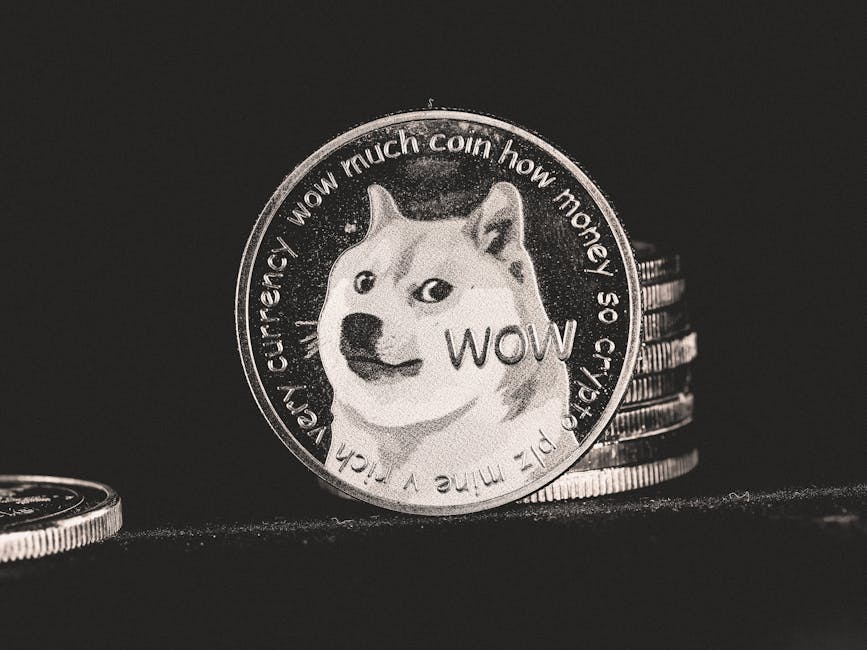
SEC Opens Door for Grayscale’s Dogecoin: Implications and Future Outlook
The Securities and Exchange Commission (SEC) has signaled a potential shift in its stance towards cryptocurrency investments, most notably with its recent moves concerning Grayscale’s application for a spot Dogecoin trust. This development, while not a definitive approval, represents a significant opening, suggesting a greater willingness from the regulatory body to consider and potentially approve cryptocurrency-based investment vehicles. The implications of this potential opening are far-reaching, impacting not only Grayscale and Dogecoin but also the broader digital asset market, institutional adoption, and the future regulatory landscape.
Historically, the SEC has maintained a cautious, and at times adversarial, approach to digital assets, particularly those deemed to be unregistered securities. This caution has manifested in a series of rejections for spot Bitcoin and other cryptocurrency ETFs, citing concerns about market manipulation, investor protection, and the underlying volatility of these assets. However, the SEC’s recent legal victories and evolving market dynamics, coupled with persistent pressure from industry players like Grayscale, appear to be influencing its decision-making process. The SEC’s approach to Grayscale’s Dogecoin trust application can be viewed through several lenses. Firstly, it reflects a recognition of the growing maturity and institutional interest in the digital asset space. Secondly, it signals a potential recalibration of the SEC’s risk assessment framework for cryptocurrencies, moving towards a more nuanced evaluation of specific assets and their associated risks. The SEC’s oversight of Grayscale, a company with a proven track record in managing digital asset funds, lends a degree of credibility to the application, suggesting that the regulator might be more receptive to proposals from established entities.
The potential approval of a Grayscale Dogecoin trust would have immediate and significant positive implications for Dogecoin itself. Dogecoin, initially launched as a meme coin, has evolved into a widely recognized and actively traded cryptocurrency with a passionate community and a growing ecosystem. A regulated investment vehicle like a spot trust would provide a more accessible and secure avenue for institutional investors, such as hedge funds, pension funds, and asset managers, to gain exposure to Dogecoin. This influx of institutional capital could lead to increased liquidity, price stability, and a broader acceptance of Dogecoin as a legitimate digital asset. The presence of an SEC-regulated product would also likely attract further retail investment, driven by the trust and legitimacy it confers. Moreover, it could encourage further development of the Dogecoin ecosystem, as increased demand and investment fuel innovation in decentralized applications (dApps), payment solutions, and other use cases. The perception of Dogecoin as a speculative meme would likely diminish, replaced by a more grounded view as a digital asset with tangible investment potential.
Beyond Dogecoin, the SEC’s willingness to consider a spot Dogecoin trust holds broader implications for the entire cryptocurrency market. It suggests a potential thawing of the SEC’s stance towards other digital asset investment products, including spot ETFs for other cryptocurrencies like Ethereum, Solana, and Cardano. If the SEC approves a Grayscale Dogecoin trust, it would establish a precedent for regulating similar digital asset investment vehicles. This could accelerate the approval process for other cryptocurrency ETFs and trusts, leading to a wave of new investment products entering the market. This would, in turn, democratize access to cryptocurrency investments, making them more available to a wider range of investors and further integrating digital assets into the traditional financial system. The increased regulatory clarity and the availability of regulated investment products would likely foster greater investor confidence, attracting both institutional and retail capital. This could lead to a significant surge in the overall market capitalization of cryptocurrencies and stimulate further innovation and development within the blockchain industry.
The regulatory landscape surrounding cryptocurrencies is a complex and evolving one, and the SEC’s actions are pivotal in shaping its trajectory. The potential approval of a Grayscale Dogecoin trust signifies a move towards greater regulatory clarity and a more structured approach to digital asset oversight. This could lead to the establishment of clearer guidelines and frameworks for future cryptocurrency-related financial products, providing a more predictable environment for both innovators and investors. The SEC’s engagement with Grayscale on this matter suggests a willingness to collaborate and understand the unique characteristics of different digital assets. This could result in a more tailored regulatory approach, recognizing that not all cryptocurrencies are the same and that their risks and potential benefits may vary. Furthermore, this development could influence other global regulatory bodies to adopt similar approaches, fostering a more harmonized international regulatory framework for digital assets. The ultimate impact on investor protection will depend on the specific conditions and safeguards implemented alongside any potential approval.
Grayscale Investments, as a pioneer in digital asset management, stands to benefit immensely from this potential regulatory shift. The company has been a vocal advocate for the establishment of regulated cryptocurrency investment products, and the approval of a spot Dogecoin trust would be a major victory. It would validate Grayscale’s long-held strategy and solidify its position as a leader in the digital asset investment space. This could lead to increased AUM (Assets Under Management) for Grayscale, as more investors choose its regulated products over other, less regulated alternatives. Furthermore, a successful Dogecoin trust could pave the way for Grayscale to launch other digital asset trusts and ETFs, further diversifying its product offerings and expanding its market reach. The company’s experience in navigating regulatory hurdles and its commitment to investor protection would likely be key factors in its continued success. The potential approval also highlights Grayscale’s strategic foresight in identifying and pursuing opportunities in less conventional digital assets, demonstrating an ability to adapt to changing market and regulatory conditions.
The technical aspects of a spot Dogecoin trust, if approved, would involve the direct holding of actual Dogecoin as the underlying asset. This contrasts with futures-based ETFs, which derive their value from contracts related to the price of an asset. Spot trusts are generally considered more desirable by many investors and industry participants as they more accurately reflect the real-time price of the underlying asset and avoid the potential complexities and costs associated with futures contracts, such as contango and backwardation. For Grayscale, this would mean acquiring and securely storing a significant amount of Dogecoin on behalf of trust shareholders. The operational requirements would include robust custody solutions, transparent accounting, and strict adherence to SEC reporting and compliance standards. The trust would likely be structured to allow for the creation and redemption of shares by authorized participants, ensuring that the trust’s net asset value remains closely aligned with the market price of Dogecoin. The inherent volatility of Dogecoin, however, remains a significant factor that the SEC would scrutinize. The regulator would demand robust risk management protocols to mitigate the impact of sharp price fluctuations on investors.
The community surrounding Dogecoin, often referred to as the "DOGE Army," has been a driving force behind the cryptocurrency’s popularity. Their persistent advocacy and engagement have played a crucial role in keeping Dogecoin in the public consciousness. The potential approval of a Grayscale trust would be seen as a significant validation of their efforts and a step towards mainstream acceptance. However, it’s important to note that while the community’s enthusiasm is a powerful factor, regulatory approvals are based on objective criteria related to market structure, investor protection, and risk. The community’s role is more indirect, contributing to brand recognition and adoption, which in turn influences the perceived value and demand for the asset. The trust structure would likely cater more to institutional and sophisticated retail investors seeking a regulated product, rather than directly impacting the day-to-day activities of the core Dogecoin community, which often engages in microtransactions and tipping.
The future outlook for regulated cryptocurrency investment products is significantly influenced by the SEC’s decisions. If the Grayscale Dogecoin trust application proceeds towards approval, it would likely trigger a domino effect, encouraging other asset managers to pursue similar products for a wider range of digital assets. This could lead to a more mature and diversified cryptocurrency investment landscape, offering investors a spectrum of options tailored to their risk appetites and investment strategies. The increased institutional participation, driven by regulated products, could also lead to greater market efficiency, reduced price volatility, and a more predictable trajectory for digital asset prices. However, the SEC’s ongoing vigilance regarding market manipulation and investor protection will remain paramount. Future regulatory decisions will likely be guided by the performance and impact of any approved spot trusts, shaping the long-term integration of cryptocurrencies into traditional finance. The SEC’s careful, albeit gradual, approach suggests a desire to avoid a repeat of past market excesses and to ensure that any future developments are sustainable and beneficial for all stakeholders.
The ongoing debate surrounding the classification of cryptocurrencies as securities or commodities will continue to be a central theme. The SEC’s potential acceptance of a Dogecoin trust, an asset with characteristics that could be interpreted in different ways, might offer some clarity or at least indicate a willingness to engage with these complexities on a case-by-case basis. The outcome of Grayscale’s application could influence how other regulatory bodies, such as the Commodity Futures Trading Commission (CFTC), approach similar digital assets. A broader regulatory consensus, even if achieved incrementally, would be beneficial for the entire industry, reducing uncertainty and fostering innovation. The interplay between different regulatory agencies and the evolving legal precedents will be critical in shaping the long-term regulatory framework for digital assets. The SEC’s cautious yet progressive stance, as evidenced by its engagement with Grayscale’s Dogecoin proposal, suggests a commitment to adapting its regulatory approach to the rapidly evolving digital asset landscape. This measured evolution is crucial for fostering both innovation and investor confidence in this nascent market.
